

 InfoSearched
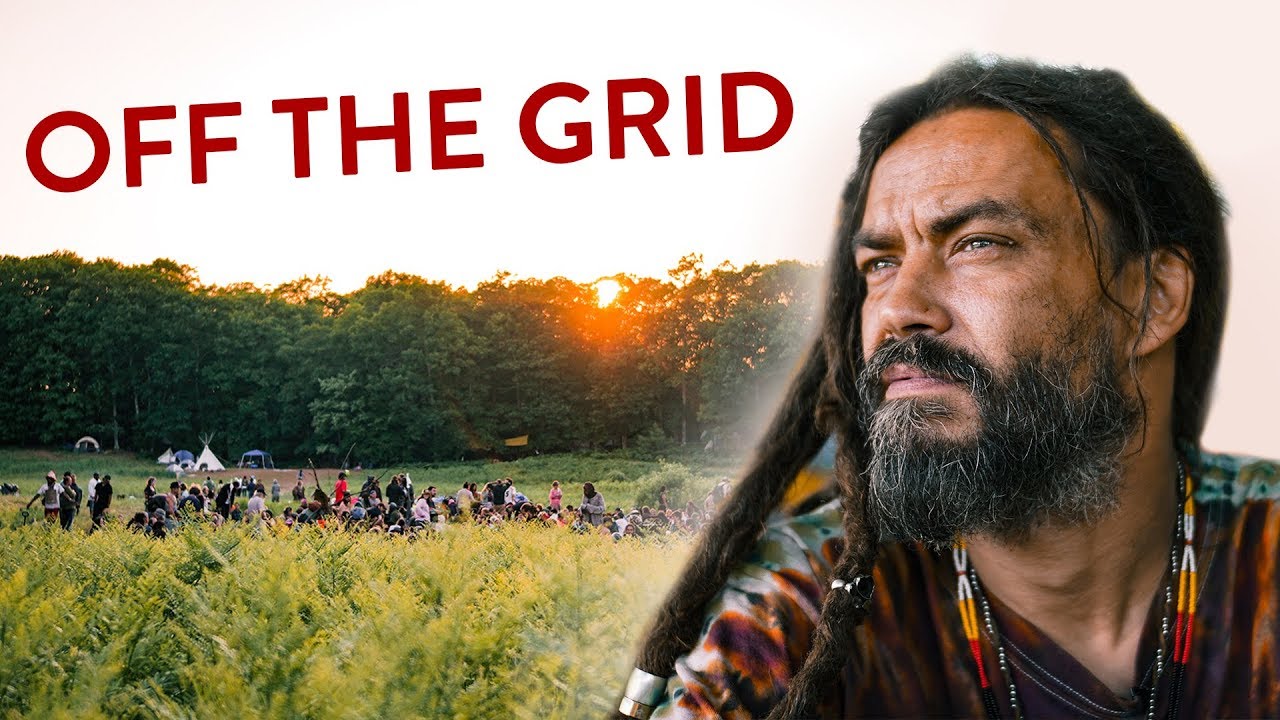
Every summer, thousands of strangers walk into a national forest and build a leaderless city from scratch.
The Rainbow Family of Living Light doesn’t have a president, a website you can register on, or a ticket price. It has a meadow, a date, and word of mouth. In July 2019, that gathering point was the Chequamegon-Nicolet National Forest in northern Wisconsin, where the group’s annual national event ran July 1 through July 7 and drew a temporary population that, by the group’s own description, made it the “largest non-organization of non-members in the world.”
- Founded in 1970 by Barry “Plunker” Adams and Garrick Beck, the Rainbow Family holds no formal membership, charges no entry fee, and runs on voluntary donations rather than any commercial transactions.
- The 2019 gathering in Wisconsin’s Chequamegon-Nicolet National Forest brought thousands of attendees together off-grid for a week, July 1–7, to pray for world peace.
- The event regularly draws friction with the U.S. Forest Service and local law enforcement over group camping permits, drug citations, traffic stops, and sanitation, while some Indigenous groups have criticized attendees for appropriating Native ceremonies.
Building a City With No Owner
Weeks before the main crowd shows up, a smaller group of “seed camp” volunteers heads into the woods to do the unglamorous work: cutting trails, digging latrines, and rigging water filtration systems that will need to support thousands of people living entirely off-grid for a week. There’s no general contractor and no permit fee changing hands for services — just people who showed up early and started digging.
That do-it-yourself infrastructure-building overlaps with a broader off-grid ethos that shows up across the homesteading world, from permaculture setups built on a quarter acre to backcountry builders who put up shelter with nothing but hand tools, the way you’d see in a solo overnight build deep in the woods. The difference at a Rainbow gathering is scale: what one person builds for themselves in the wilderness, this group builds collectively for thousands, then walks away from and lets the forest reclaim.
Consensus Instead of Command
There’s no Rainbow Family board, no elected spokesperson, no chain of command. Decisions get made in council circles, where anyone can speak and the group works toward consensus rather than a vote. Communal kitchens — with names passed down gathering to gathering — feed anyone who shows up, funded entirely by what people drop into the “magic hat” as it passes around the circle.
The largest non-organization of non-members in the world.
That phrase is how the Rainbow Family describes itself, and it’s not a joke — it’s the operating principle. No leader can be arrested for organizing the gathering because, on paper, nobody organized it. That structure is exactly what makes law enforcement’s job difficult and what makes the annual clash over Forest Service group-camping permits so persistent.
The Ritual at the Center
The gathering builds toward the Fourth of July, when thousands walk out of their camps into a central meadow, link hands in a massive circle, and fall silent to pray for world peace before breaking into chanting. It’s the moment the whole week of trail-cutting and latrine-digging is built around — the entire temporary city exists to produce that one circle.
Some of that spiritual framework borrows directly from Native American prophecy and ceremony, which is where the friction gets sharpest. Indigenous groups have pushed back hard on attendees adopting sweat lodges, chants, and prophecy language they say gets flattened and distorted once it’s absorbed into a mostly non-Native crowd. It’s a criticism that’s followed the gathering for decades and hasn’t been resolved by any council circle yet.
Friction With the Forest Service
Every year the gathering happens somewhere new — a different national forest, a different Forest Service district office trying to figure out how to police an event with no permit application to deny. Citations for drug possession, traffic enforcement on the rural roads leading into camp, and disputes over site sanitation and resource damage show up in local reporting almost every summer. The Forest Service can’t stop the gathering from happening on public land, but it can and does send agents in to document violations as thousands of people converge on a stretch of woods that was empty a month earlier.
By the second week of July 2019, the meadow in the Chequamegon-Nicolet emptied out the same way it filled — gradually, by word of mouth, with seed camp crews staying behind to fill in the latrines and erase the trails before the forest goes back to being just a forest until next year’s location gets passed around the circle.






The Extraordinary Case of Alex Lewis
Inside a $75M Lake Tahoe Mansion with a Hillside Tram | On the Market | Architectural Digest
He’s Filled 600 Potholes in Memory of His Son(subtitled)
Ed Hardy: the Godfather of Tattooing
How To Turn Your Lawn Into A Vegetable Garden