

 InfoSearched
A neighborhood once branded the deadliest patch of the deadliest city on Earth now runs graffiti tours instead of gunfights.
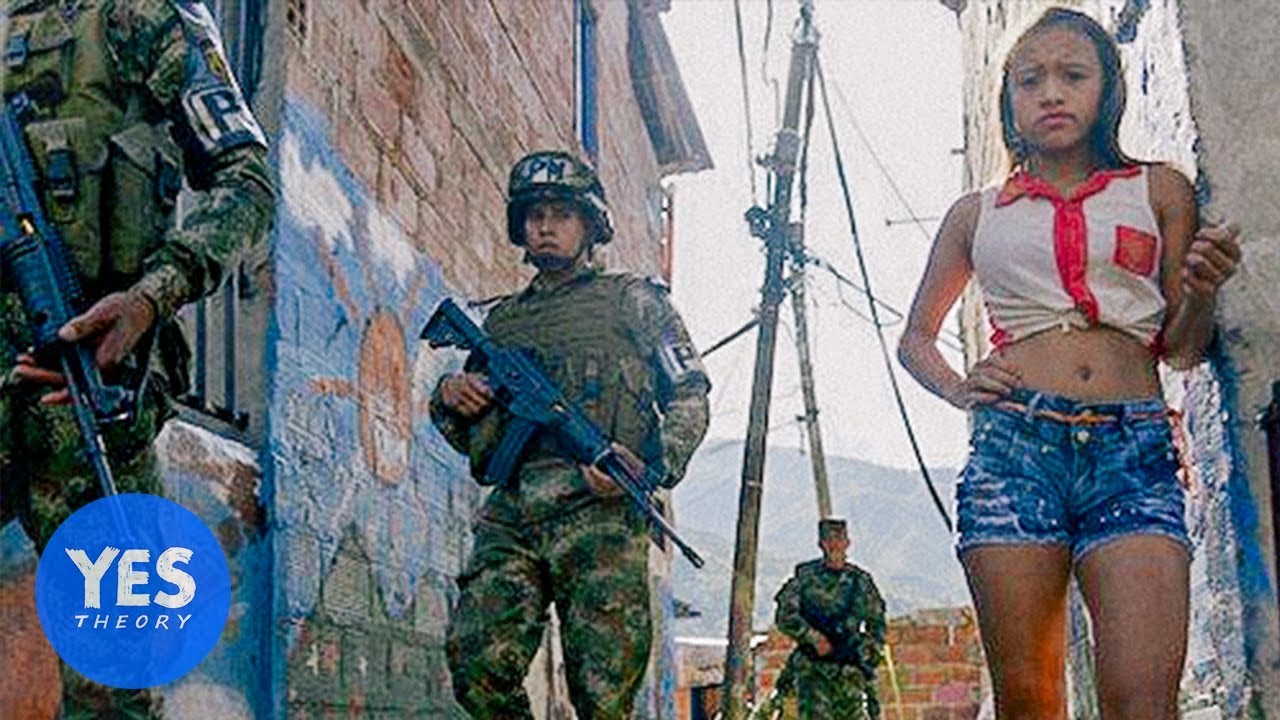
Yes Theory’s trip into Comuna 13, the hillside district of San Javier in Medellín, Colombia, opens with a reputation that would scare off most travelers. This was the sector cartels, guerrillas, and paramilitaries fought over block by block through the 1980s and 1990s, and the place the Colombian military stormed in 2002 during the controversial Operation Orion. What the crew actually finds on camera is something almost nobody expects from that history.
- Comuna 13 was once considered the deadliest sector of Medellín during the peak of cartel and paramilitary violence, culminating in the 2002 Operation Orion military assault.
- The 384-meter outdoor escalator system, Escaleras Eléctricas de la Comuna 13, opened in late 2011 and replaced hundreds of concrete steps, linking the isolated Las Independencias sector to the city’s transit grid.
- Groups like Casa Kolacho now use hip-hop and street art to steer local youth away from gangs, and the district draws thousands of visitors a day for guided graffiti tours.
From War Zone to Waypoint
For decades, San Javier’s steep, unpaved terrain made it a strategic chokepoint — whoever controlled the hillside controlled movement in and out of the comuna. That geography is exactly why the violence got so bad, and exactly why the city’s later fix targeted infrastructure first. Yes Theory’s hosts walk streets that, a generation ago, residents describe as no-go zones after dark, and instead find merchants setting up stalls and kids practicing dance routines on street corners.
The Escalators That Changed Everything
The centerpiece of the video, and of Comuna 13’s actual transformation, is the outdoor escalator system inaugurated in late 2011. At 384 meters, the covered escalators replaced a brutal climb of hundreds of concrete steps that once cut off hillside sectors like Las Independencias from the rest of Medellín. Paired with the city’s Metrocable gondola network, the escalators turned a physically isolated, violence-scarred neighborhood into a stop on the public transit map — and, unexpectedly, into one of the city’s biggest tourist draws.
The engineering fix mirrors a pattern seen in other cities that used bold public infrastructure to rewire dangerous or cut-off neighborhoods, similar to the resurgence documented around Jamaica’s Tivoli Gardens and Trench Town in Kingston. In Medellín’s case, the escalators didn’t just move people — they gave outsiders a reason to come in.
Art as Rehabilitation
Comuna 13’s walls now carry the district’s real historical record. Murals led by local artists like Chota 13 depict displacement, loss, and survival in bright, deliberate color — a visual counter-history to the violence that once defined the place. Yes Theory’s cameras catch breakdancers and rappers performing in the open air, many connected to Casa Kolacho, the community collective founded specifically to pull young people away from gang recruitment through hip-hop and education programs.
Rather than a war zone, the crew walks into a neighborhood running its own guided graffiti tours — merchants, muralists, and dancers where the fighting used to be.
Social Urbanism as the Real Story
What Comuna 13 represents to urban planners is less about tourism and more about a model called “social urbanism” — the idea that fixing transit and public space in a neglected neighborhood can do more to reduce violence than policing alone. The comuna’s arc, from homicide hotspot to a district pulling thousands of daily visitors up its escalators to see street art, has made it Medellín’s most cited example of that theory working. It’s a case study that sits alongside other cartel-era Colombian stories, including the lingering fallout chronicled in Why Escobar’s Hippo Legacy Still Haunts Colombia.
Yes Theory doesn’t dodge the district’s past to tell this story — they walk through it, literally, on the same steps and escalators that used to separate Comuna 13 from the rest of the city. The gap between the “murder capital” label and the guided tour groups snapping photos of Chota 13’s murals is the whole point of the video, and it’s still the first thing that surprises anyone who shows up expecting the 1990s version of San Javier.








Gorgeous Three Bedroom Tiny Home
Caterpillars Feeding on Exploding Touch-Me-Not Seed Pods
Monkey Swarm Takes Over City
Cattail Down Jacket Solo Overnight
SIMPE LIFE HACKS SMART INVENTIONS