

 InfoSearched
A fuzzy little caterpillar that looks harmless is actually one of the most venomous insects in North America — and then it turns into something completely different.
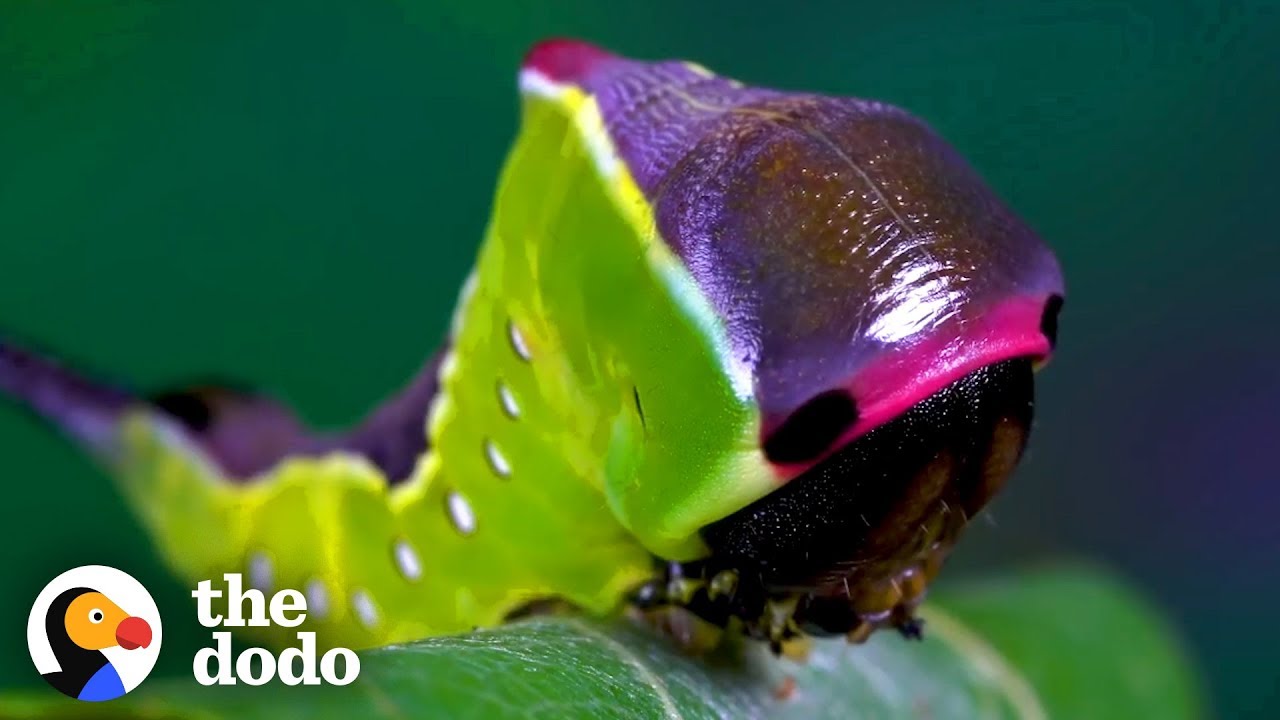
The Dodo’s video “Watch This Caterpillar Turn Into A Puss Moth” follows the life cycle of Megalopyge opercularis, better known as the puss caterpillar, from its dangerous larval stage through pupation into its final form: the southern flannel moth. Found across the southern and eastern United States, Mexico, and South America, this insect carries one of the sharpest contrasts in the natural world between what it looks like and what it can actually do to you.
- The larva, nicknamed the “puss caterpillar,” “asp,” or “woolly slug,” hides sharp, hollow venomous spines beneath a coat of soft-looking hair-like setae.
- Contact with the spines injects toxin that causes intense burning pain radiating to the lymph nodes, often producing grid-like swelling, blisters, and severe symptoms requiring medical attention.
- After feeding on oaks, elms, and garden shrubs and growing to about one inch long, the caterpillar spins a cocoon with a hinged trapdoor and emerges as a completely harmless, non-venomous moth with a 1 to 1.5-inch wingspan that lives roughly a week.
A Toupee With Hollow Needles Inside
From a distance, the puss caterpillar looks like a tuft of cat fur or a stray hairpiece someone dropped on a tree branch. That resemblance is exactly how it earns its common names. But run a finger across that fluff and the dense hair-like setae conceal something far less cuddly: sharp, hollow spines loaded with venom that snap off on contact and pump toxin straight into skin.
The reaction isn’t subtle. Victims report burning pain that spreads outward from the sting site to nearby lymph nodes within minutes, frequently leaving behind blistering and a telltale grid-like pattern of swelling where the spines made contact. Severe cases have sent people to emergency rooms, which is a wild outcome for something that looks like it belongs on a keychain.
Underneath the soft “toupee” look sits a defense system built entirely out of hollow, venom-filled spines.
Building the Trapdoor Cocoon
Before any of that venom becomes irrelevant, the caterpillar has to eat. It spends its larval stage working through the foliage of host trees — oaks and elms are favorites, along with assorted garden shrubs — until it reaches roughly one inch to 3.5 centimeters in length. That’s the cue to stop feeding and start building.
Rather than spinning a simple silk shell, the puss caterpillar constructs a tough, oblong brown cocoon and incorporates its own outer hairs directly into the structure. The standout feature is the operculum, a hinged trapdoor built into the cocoon that the future moth will use to push its way out once metamorphosis is complete. It’s a more architecturally deliberate exit than most caterpillars bother with.
From Venomous Larva to Harmless Moth
What emerges from that trapdoor bears almost no resemblance to the creature that spun it. The adult southern flannel moth is completely non-venomous and harmless to touch, covered head to wingtip in thick, cotton-candy-like down that ranges from lemon yellow and rust orange to cream. Wavy markings run across the wings, and the moth’s dark, fuzzy tarsi give its feet a boot-like look.
There’s a catch built into that transformation, though: adult flannel moths lack functional mouthparts entirely. They can’t eat or drink, which means the roughly week-long adult stage exists purely to mate and lay eggs before the moth dies. Everything the insect needed nutritionally, it already banked during its brief, spiny, venomous run as a caterpillar.
For anyone drawn to footage of nature’s stranger transformations, The Dodo’s clip sits alongside other close-up looks at animals doing things people rarely get to witness firsthand, in the same vein as the underwater persistence documented in DAY 85: Sharks Really Wanted This Fish! or the predator-prey drama covered in The Most Extreme Wild Animals Battles!. The puss caterpillar’s trick is that it doesn’t need a rival — its own hollow spines and its own trapdoor cocoon do all the work, and by the time it’s flying, the danger is already gone for good.







School Bus Converted To Incredible Off-Grid Home
Slow motion of 50 cal sniper shot
Inside David Harbour’s Custom-Renovated New York Loft
Urban Stealth Camping With Hammock In Residential Area
Pemmican – The Ultimate Survival Food