

 InfoSearched
Two survival instructors with opposite philosophies still agree on the same five priorities when the wilderness turns hostile.
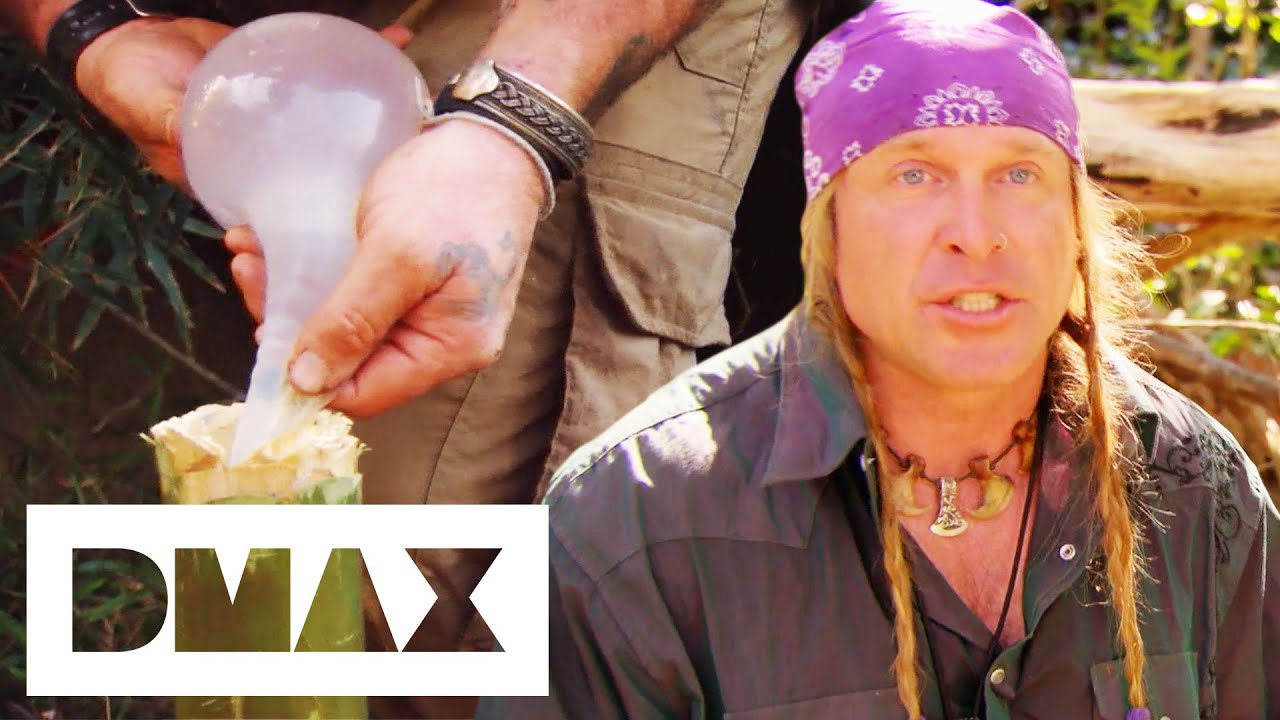
“5 Basic Survival Skills Everyone Should Know” pulls its lessons straight from Dual Survival, the Discovery Channel series that paired military-trained survivalist Dave Canterbury with barefoot naturalist Cody Lundin. The show, which premiered in 2010, built its entire format around friction: one host trusts gear and doctrine, the other trusts skin, instinct, and the land itself. In this clip, that tension becomes a teaching tool, breaking survival down into the handful of decisions that actually keep someone alive.
- Canterbury and Lundin walk through five core survival priorities in sequence: shelter, water, fire, food, and signaling for rescue.
- Canterbury represents a military-trained, gear-forward approach, while Lundin — known for going barefoot on camera — teaches aboriginal living-skills and primitive methods.
- The demonstrations cover both modern and primitive fire-starting techniques, including friction methods, alongside foraging and water purification.
Shelter Comes Before Everything Else
On Dual Survival, shelter is treated as the first fight against exposure, not an afterthought after water and food. Canterbury’s instinct is to build fast and structurally sound, using whatever framework materials are on hand and prioritizing coverage against wind and rain. Lundin approaches the same problem from the ground up — literally — factoring in insulation from the earth itself, since heat loss through contact with cold ground can be as dangerous as the air temperature. Viewers looking to put these lessons into practice at home can see a similar hands-on build in Solo Overnight Building a Sandbag Shelter In the Woods.
Water, Fire, and the Purification Problem
The pair’s next priority is water — finding it, then making it safe to drink. Canterbury and Lundin both stress that a clean-looking stream is not automatically a safe one, and that boiling or filtering is non-negotiable before anything goes into the body. Fire-starting gets similar dual treatment: Canterbury tends to favor modern ferro-rod or lighter-based methods for speed and reliability, while Lundin demonstrates primitive friction techniques, the kind that require patience, dry tinder, and technique over gear.
Two hosts, two philosophies, one non-negotiable list: shelter, water, fire, food, signal.
Foraging, Signaling, and Staying Level-Headed
Food is the priority that gets the least urgency and the most improvisation — Canterbury and Lundin forage and hunt with whatever the terrain offers, treating calories as important but rarely as immediately dangerous as thirst or hypothermia. Signaling for rescue closes the list, a reminder that survival skills are only half the equation if nobody knows where to look. Throughout, both hosts return to a psychological point as much as a technical one: staying calm and thinking clearly is what actually lets any of these five skills work under pressure. Related bushcraft demonstrations, like Making a Basket from PINE NEEDLES | Start to Finish Project, show how the same resourcefulness plays out in slower, non-emergency settings.
That built-in disagreement — gear versus grit, boots versus bare feet — is exactly what kept Dual Survival watchable past a single season, and it’s why this five-skill breakdown still works as a stand-alone lesson years after it first aired.




The Extraordinary Case of Alex Lewis
Man Spends 30 Years Regenerating Farmland into Amazing Forest | Fools & Dreamers (Full Documentary)
Living in a bridge: Homeless in L.A. | The Americas with Simon Reeve – BBC
Find Me A Luxury Home
A day with a BILLIONAIRE! Join Rich Kids of Instagram’s Emir Bahadir as he works out and shops!