

 InfoSearched
A photographer known for pulling raw, unscripted truth out of people most media ignore turns his camera on a woman who spent years inside America’s underground spa trade.
Mark Laita built his Soft White Underbelly channel by sitting people down in front of a plain backdrop, taking their portrait, and letting them talk without a script. His subjects are usually people the mainstream rarely interviews on camera — sex workers, addicts, gang members, the homeless. In “Ex Spa Worker interview-Tiye,” published to YouTube in mid-2020, Laita’s subject is a young woman from North Carolina named Tiye, who spent time working inside the illicit adult massage and “spa” trade before walking away from it.
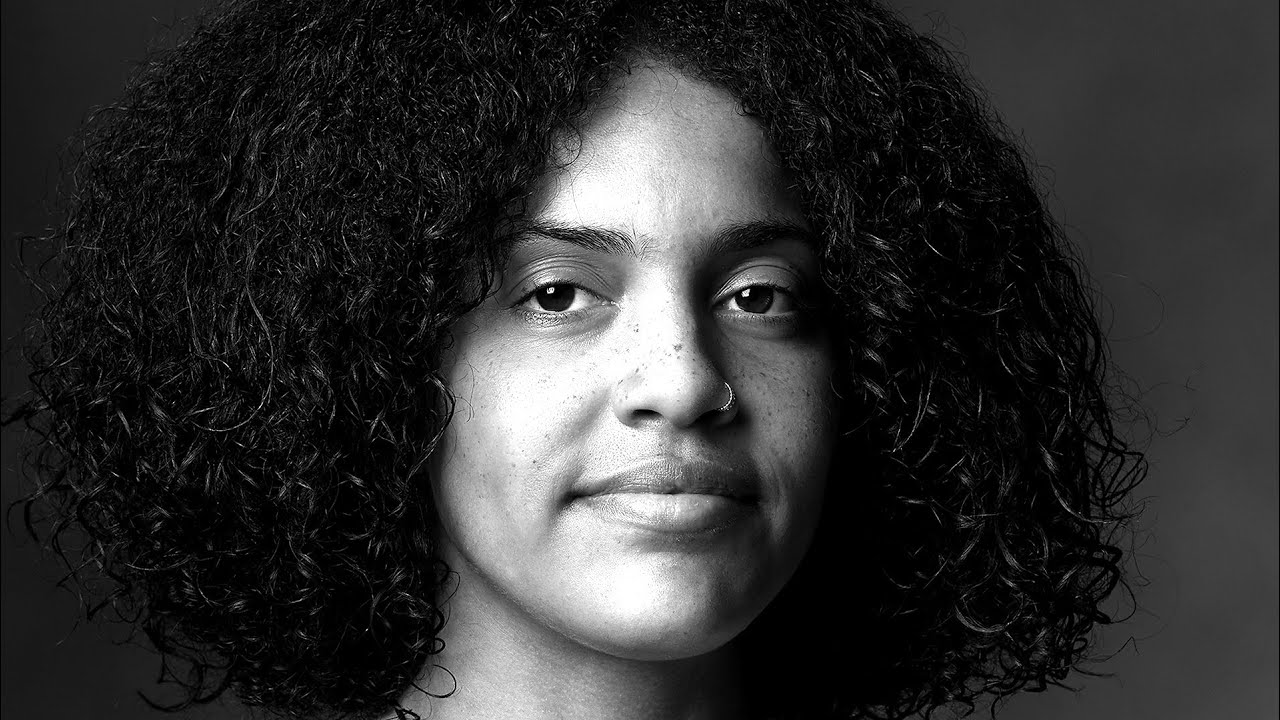
The interview follows the same format Laita uses across the series: a single still portrait, then a long, unguarded conversation. Tiye walks through her childhood, the trauma that shaped her early life, and how she ended up inside a business built around off-the-books massage parlors that operate well outside anything resembling a licensed wellness spa.
- Tiye, originally from North Carolina, describes childhood trauma as a direct factor in how she ended up entering the underground spa and massage trade.
- She details the financial incentives and workplace pressure inside the illicit spa business — the kind of quota-driven, cash-based system that keeps workers locked in.
- Tiye speaks candidly about the exploitation built into the trade and the personal toll it took before she made the decision to leave.
From North Carolina to the Underground Trade
Tiye’s story, as she tells it to Laita, doesn’t start in a spa — it starts with a childhood marked by trauma. That backdrop matters to how the rest of the interview unfolds, because it’s the thread Tiye herself draws between where she came from and how she ended up inside an industry that thrives on recruiting people with few other options. Soft White Underbelly’s format gives her the space to lay that timeline out without interruption, which is the whole appeal of Laita’s approach — no host inserting commentary, just a subject talking through her own history in her own words.
By the time she’s describing her entry into the illicit spa trade, the picture Tiye paints has nothing to do with skincare or wellness branding. It’s a cash economy built on quiet arrangements, informal networks, and financial pressure that pulls people in faster than it lets them out.
Inside the Business
Tiye walks through the mechanics of the work itself — how the illicit spa trade functions day to day, the pressure to hit numbers, and the financial incentives that keep workers tied to the job even when the conditions turn exploitative. This isn’t a licensed massage therapy business with health codes and certifications; it’s an underground operation, and Tiye’s account of it lines up with what’s been reported for years about the illicit massage parlor economy that operates in cities across the country under the cover of legitimate-looking storefronts.
Tiye describes an industry that trades any pretense of wellness for financial pressure and exploitation — and says getting out ended up being harder than getting in.
The toll she describes isn’t abstract. Tiye connects the workplace pressures directly to a personal cost that built up over her time in the trade, and it’s that cost — not the money — that eventually pushed her toward leaving.
Leaving the Business
The back half of the interview centers on the circumstances that led Tiye to walk away. She’s direct with Laita about what it took to get out, framing it less as a clean break and more as a decision that came after the exploitation and personal toll became impossible to keep absorbing. It’s the same arc that runs through a lot of Soft White Underbelly’s subjects: survival, entrapment, and the slow, difficult process of extracting yourself from a system built to keep you inside it.
Laita’s channel has built its audience precisely because it doesn’t sanitize these accounts. Viewers who’ve followed his other interviews with people navigating the underground economy — from street-level hustles to trafficking-adjacent industries — will recognize the same pattern of forces at work in Tiye’s story: trauma, financial desperation, and a business model designed to profit off both.
Soft White Underbelly hasn’t slowed down its release schedule, and Laita has continued sitting down with subjects from similarly hidden corners of American life — the kind of interviews that sit alongside other unflinching looks at underground trades, like the money-laundering economy documented in The Rise of Money Launderers on Snapchat and Instagram | Crimewave, or the cartel-driven cash flows detailed in How Mexican Drug Cartels Make Billions. Tiye’s interview stands as one more entry in that same catalogue — a firsthand account of an economy that runs almost entirely out of public view.








The Mysterious Animal Gangs Of Nigeria | Hyena Men
Make Riptide (Expandable Pen Sword) From Percy Jackson!
The Teen With The Bionic Arms | SHAKE MY BEAUTY
Whale jumps out of nowhere during sight seeing tour.
One Man’s Mission to Revive the Last Redwood Forests