

 InfoSearched
A windowsill tray of seeds can turn into your first real harvest before the month is out.
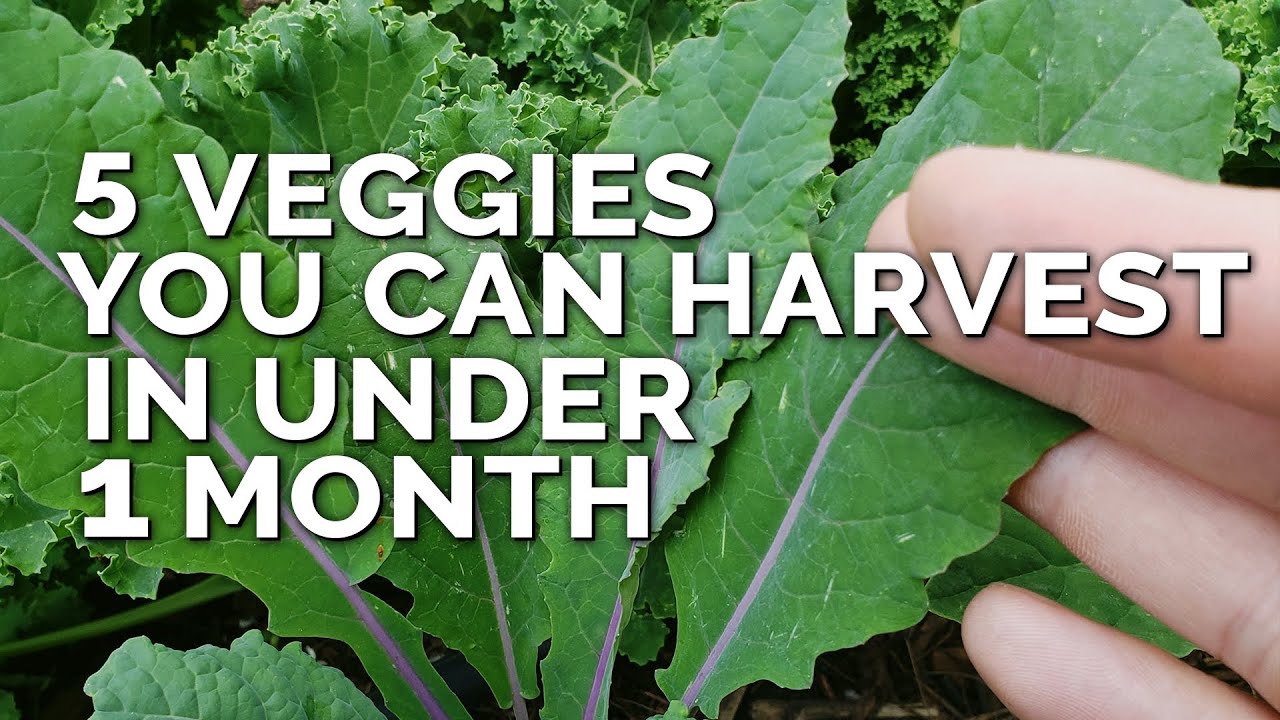
For anyone staring at an empty raised bed or a bare patch of lawn wondering where to start, Epic Gardening founder Kevin Espiritu has a simple answer: skip the tomatoes for now. In “5 Fast Growing Veggies You Can Harvest in Under 1 Month,” Espiritu lays out five categories of crops that go from seed to plate in 30 days or less, built specifically to give new gardeners a quick, confidence-building win before they take on slower, higher-maintenance plants.
- Microgreens can be cut and eaten in as little as 7 to 14 days, grown right on a windowsill or seed tray with no garden bed required.
- Pea and sunflower shoots are large-seeded crops harvested at the shoot stage within 8 to 14 days, prized for their dense biomass and ability to regrow after cutting.
- Baby lettuce is ready in three to four weeks using the cut-and-come-again method, while fast radish varieties like French Breakfast or “18-day” types get harvested young before they turn woody.
The First Two Crops to Try
Espiritu opens with microgreens because nothing in the video beats their turnaround. Sown thick in a shallow tray, seeds like broccoli, radish, or sunflower push up their first true leaves in about a week to two weeks, at which point a pair of scissors is the only tool needed. There’s no thinning, no weeding, and no soil-borne pest pressure to speak of since the whole life cycle happens indoors under minimal light.
Pea shoots and sunflower shoots work on a similar principle but at a larger scale. Because the seeds are big and packed with stored energy, Espiritu explains, they shoot up fast and produce a thick mat of shoots within 8 to 14 days. Cut them an inch or two above the soil line and many varieties will push a second, smaller flush — a bonus harvest from the same tray.
Baby Lettuce and the Cut-and-Come-Again Method
Baby lettuce is the first crop in the video that starts to feel like a “real” vegetable garden rather than a kitchen counter tray. Sown densely in a bed or container, it’s ready for its first cutting in three to four weeks, and because Espiritu recommends the cut-and-come-again method — shearing the leaves an inch or so above the crown rather than pulling the whole plant — a single sowing can yield multiple harvests before it’s spent.
Harvest the young vegetative growth, and you get rapid nutritional rewards and momentum before tackling slower, higher-maintenance plants.
That philosophy runs through the whole video: instead of waiting out a 70-day tomato or a 90-day pepper, a new gardener gets tangible proof the seeds actually worked within weeks, which Espiritu treats as just as valuable as the food itself.
Baby Roots and the Extra Greens
For root crops, the video points straight at rapid radish varieties — French Breakfast and the so-called “18-day” types — pulled while still small and tender rather than left to bulk up and turn woody underground. The same early-harvest logic applies to what Espiritu calls “extra greens”: fast Asian greens and baby brassicas such as mizuna, tatsoi, and baby bok choy, all of which can be cut young for a peppery or mild addition to a salad mix long before they’d reach full maturity.
Anyone building out a full backyard plot around these quick wins might find it useful to pair them with slower staples once the fast crops prove the setup works — the same instinct that drives guides like How To Turn Your Lawn Into A Vegetable Garden, which walks through converting turf into productive beds from scratch. Container growers chasing the same quick-turnaround mindset for fruiting crops can also look at How to Grow Raspberries, Blueberries, and Blackberries in Containers for a next step once the 30-day crops are dialed in.
Espiritu’s pitch never wavers from the trays and containers — no bed prep, no fertilizer schedule, just seed, light, and scissors. For a first-time gardener, that’s the entire point: five harvests logged before most beginner tomato seedlings have even outgrown their starter pots.









Money-Laundering FBI Expert Rates 8 Money-Laundering Scams In Movies and TV | How Real Is It?
How To Regrow Everything
Why Sea Cucumbers Are So Expensive?
How This Guy Makes Record-Breaking Balloon Sculptures
Simple Tricks to Keep Your Garden PEST FREE!