

 InfoSearched
Beneath the neon and the jackpot bells, a community of hundreds lives in total darkness.
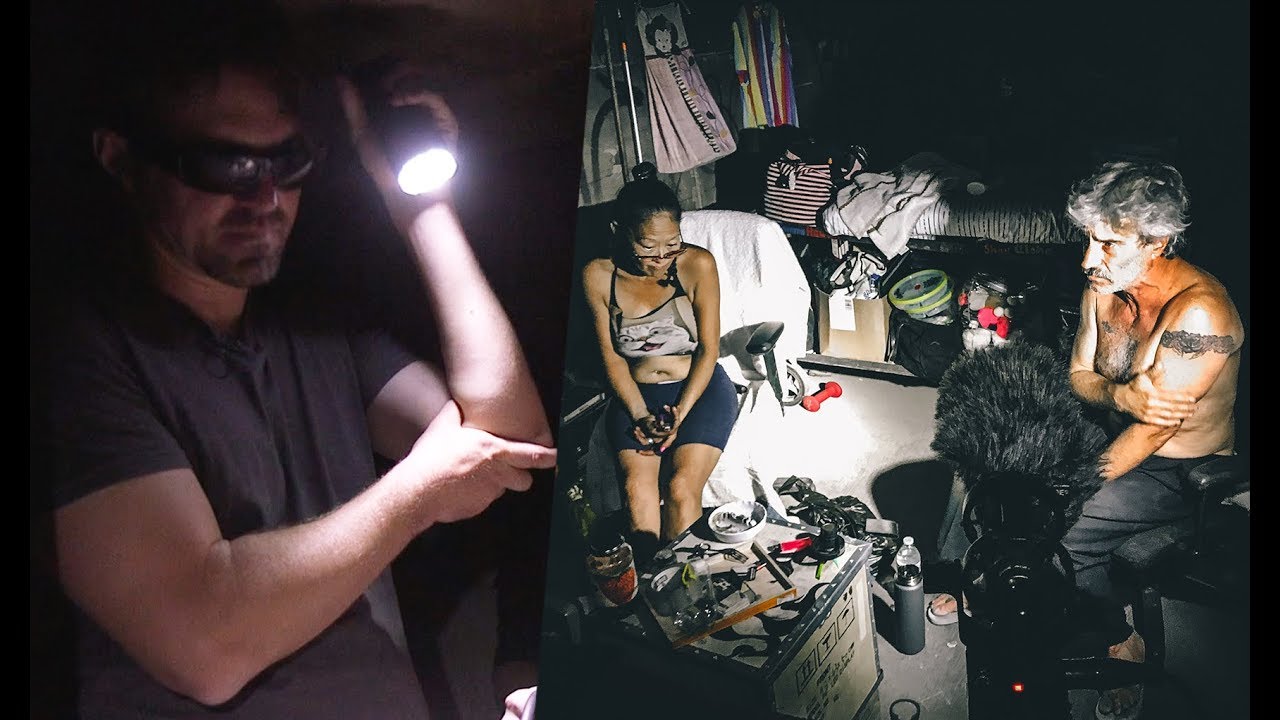
Content creator Donnie Does — known online as The Wonton Don — spent time crawling through the concrete flood channels underneath the Las Vegas Strip for his October 2019 documentary, “Meet The Mole People Living Beneath the Las Vegas Strip.” What he found wasn’t a handful of stragglers. It was a functioning, if brutal, underground society living in storm drains built to protect the casinos above from flash floods.
- The drainage system beneath the Las Vegas Valley runs for hundreds of miles and was built strictly to divert flash floods away from the Strip and surrounding infrastructure.
- An estimated hundreds to more than a thousand people have turned sections of these tunnels into long-term encampments, despite the constant risk of drowning when the drains flood without warning.
- Residents build elevated “rooms” out of salvaged mattresses, milk crates, carpets, and shelving to keep their belongings off the wet concrete, then surface to scavenge the Strip for loose slot vouchers and panhandling money before retreating underground to dodge police sweeps and the desert heat.
A Flood-Control System Built for Storms, Not People
The tunnels Donnie Does walks through in the documentary weren’t designed to house anyone. Las Vegas engineers built the drainage network specifically to move flash floodwater away from the resort corridor and the billions of dollars in infrastructure sitting on top of it. That original purpose is exactly what makes the tunnels dangerous — when a storm hits the valley, water can rush through the channels fast enough to sweep away everything a resident owns, and it has killed people who couldn’t get out in time.
That hazard hasn’t stopped people from moving in. According to the documentary, the population living underground ranges from the hundreds into the thousands, a number that fluctuates with weather, police activity, and the availability of space along the tunnel walls.
Building a Home in the Dark
What separates long-term tunnel dwellers from someone simply passing through is the effort put into the “rooms” they carve out along the walls. The film shows beds and shelving raised above the drainage floor, decorated with carpet scraps and even artwork — an attempt to create something resembling a normal living space in a place with no natural light and no plumbing.
Pitch darkness is one problem; disease and addiction are others the documentary doesn’t shy away from. Heroin and methamphetamine use is described as severe among the tunnel population, and unwritten territorial codes govern who gets which stretch of concrete.
Directly beneath the multi-billion-dollar resort casinos, an estimated hundreds to over a thousand people are living in storm drains built to survive floods, not house human beings.
Surfacing to Survive
Life underground still requires trips above ground. Residents featured in the documentary scavenge the Strip, pick up abandoned slot vouchers, and panhandle to cover basic needs before heading back down — timing their movements to avoid law enforcement sweeps and the triple-digit desert heat that makes the surface unlivable for anyone without shelter. The tunnels, for all their danger, offer something the sidewalks above don’t: a place police are less likely to clear out and a break from the sun.
The contrast Donnie Does captures is stark by design — casinos generating billions in revenue sit directly above a population surviving on loose change and salvaged mattresses, separated by a few feet of concrete and drainage grates.
The tunnels aren’t going anywhere, and neither is the population living in them — as long as the Strip keeps generating foot traffic and loose vouchers, the drains beneath it will keep functioning as both flood control and, unofficially, low-income housing nobody planned for.




5 Fruit Trees that are too EASY to GROW in the Home Garden
Man from Village Builds HANDMADE Castle NO LOAN
How To GROW Asparagus The LAZY Way!
HOW MUCH does a RECREATION POND COST?? Swimming in a Natural Pool
People Share Their Secret Anonymously (episode 5)