

 InfoSearched
Two comedians turned a fake strongman act into a federal lawsuit, and neither side blinked first.
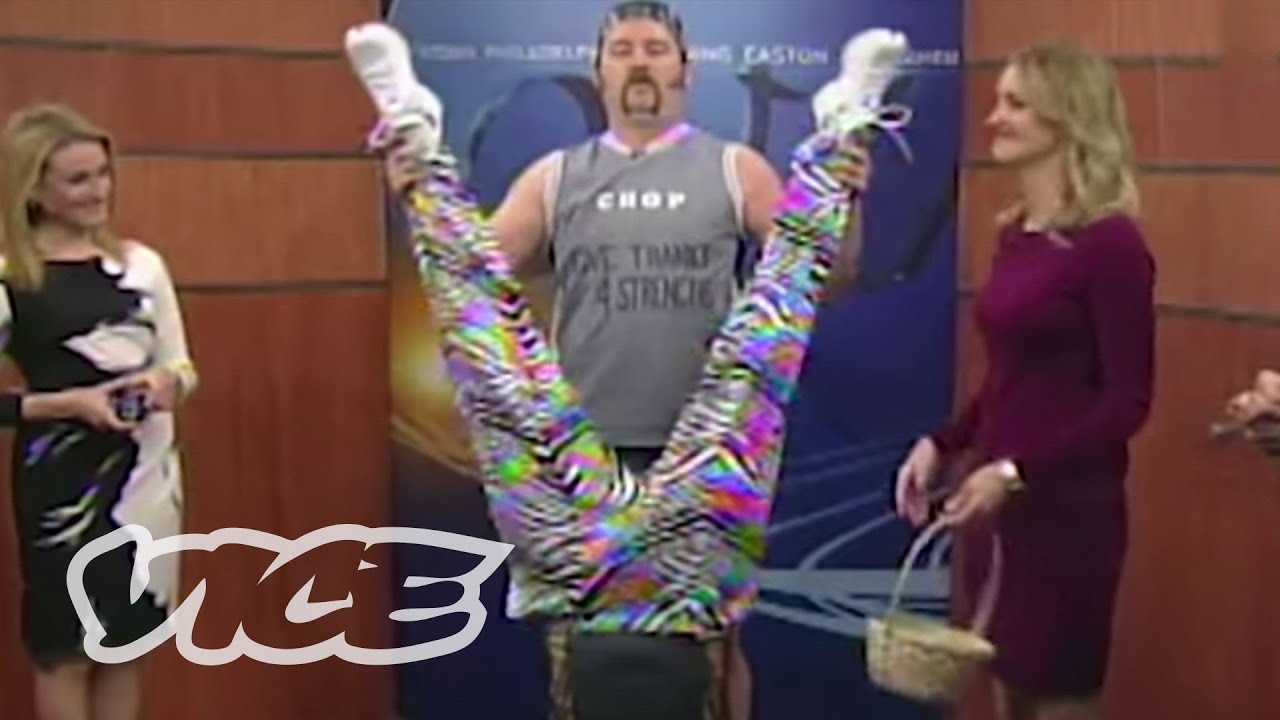
In late 2016, Found Footage Festival co-creators Joe Pickett and Nick Prueher invented “Chop & Steele,” a supposed strongman duo peddling an exercise routine built around working out their “plaps.” The bit got them booked on three separate Midwestern morning shows, and one of those bookings turned into a federal copyright and fraud lawsuit from a television conglomerate that owns more than 100 stations. What started as a goofy local-news segment ended up in the Eastern District of New York.
- Pickett (“Chop”) and Prueher (“Steele”) booked appearances on three Midwestern morning broadcasts, including “Good Day Dakota” and the November 29, 2016 episode of “Hello Wisconsin” on WEAU-TV in Eau Claire, Wisconsin.
- Gray Television, which owns WEAU-TV and more than 100 stations nationwide, sued Pickett, Prueher, and the Found Footage Festival in April 2017, alleging copyright infringement plus fraud and conspiracy to commit fraud.
- The case ended in an out-of-court settlement in early 2018, with both sides claiming victory.
The Bit That Fooled Three Newsrooms
On air, Pickett and Prueher were anything but strongmen. They stomped on wicker baskets, swung baseball bats into a tire, and karate-chopped thin twigs, all while anchors nodded along as if they were watching legitimate strength training. The gag worked because it leaned on a formula the pair had used before with other fake personas pitched to local TV: send a plausible-sounding press packet, let a producer book the segment without much vetting, and let the anchors do the rest on live television.
Pickett and Prueher later cut the appearances into an online montage, the kind of clip compilation that has become a signature move for the Found Footage Festival’s brand of media-hoax comedy. It’s the same instinct that runs through a lot of prank-documentary work — the Found Footage Festival built its whole touring show around unearthing and repurposing exactly this kind of oddball tape, the sort of thing you’d expect to see cataloged alongside other documentaries mining strange real footage for laughs.
Gray Television Breaks From the Usual Playbook
Most prank targets swallow the embarrassment and move on. Not Gray Television. In April 2017, the Atlanta-based broadcaster filed suit in the Eastern District of New York against Pickett, Prueher, and the Found Footage Festival, alleging copyright infringement over the broadcast clips used in the online montage, plus state-law claims of fraud and conspiracy to commit fraud for allegedly inducing WEAU-TV to book the segment under false pretenses.
Prueher didn’t treat it lightly, but he did frame it as a First Amendment fight rather than a simple copyright dispute.
“A really stupid First Amendment battle.”
That line, which Prueher used to describe the litigation, captured the tension at the center of the case: was this comedy protected as fair use and free expression, or had Gray’s newsroom been defrauded into airing content it never would have approved with full disclosure? Coverage of the dispute, including reporting from VICE News, treated it as a genuine test case for how far media hoaxes can go before they cross into legally actionable fraud — the kind of story that fits squarely into the Interviews and Interesting News beat that tracks unusual legal and media flashpoints.
A Settlement With No Clear Winner on Paper
The lawsuit had the makings of a precedent-setting fight over fair use, morning-show vetting practices, and how far comedians can go while impersonating experts on live television. Instead, in early 2018, Pickett, Prueher, and Gray Television reached an out-of-court settlement before any judge issued a ruling on the merits. Without a decision on record, both sides publicly claimed they’d come out ahead — Gray never confirmed it received a payout or retraction, and Pickett and Prueher continued describing the case as a win for satire and fair use.
No trial ever tested Gray’s fraud and conspiracy claims in front of a jury, and no appellate court weighed in on whether the Chop & Steele montage qualified as fair use. The settlement closed the file, but it left the underlying legal question — how much a prankster can misrepresent themselves to a news producer before it becomes actionable fraud — unresolved for the next comedian who tries the same stunt on a different morning show.





They Ate A $70,000 Golden Pizza
A TOUR of the SHIFTPOD TINY TENT HOME COMMUNITY – The Ultimate Shelter
ABANDONED city in America with NO LAWS
How COVID-19 Is Changing US Army Boot Camp
Building A Temple Swimming Pool Underground