

 InfoSearched
Four days, 900 miles round-trip, and no one else on the mountain.
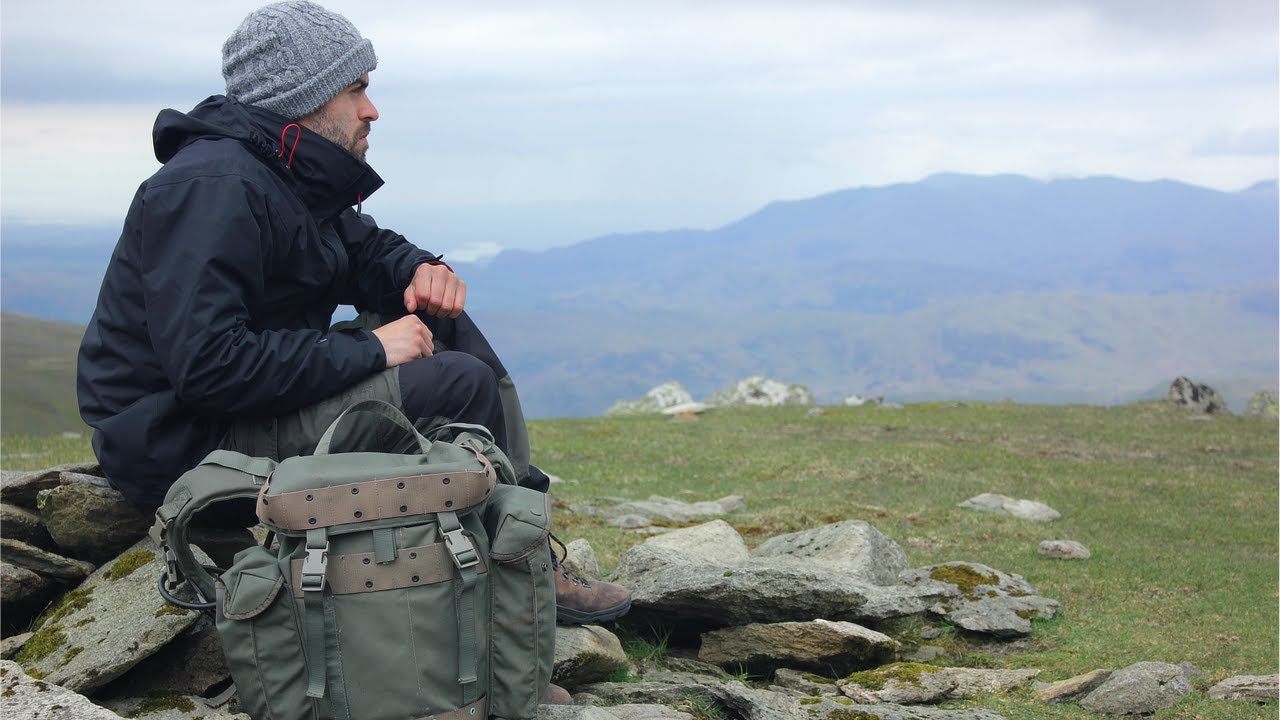
Mike Pullen packs light and drives far. For “4 Day Solo Wild Camping Adventure in the Mountains,” the bushcrafter behind the YouTube channel TA Outdoors covered roughly 900 miles round-trip just to reach the Lake District, then spent four straight days moving solo across its fells — from tree line to summit ridge to river valley — pitching a fresh camp each night with nothing but what he carried on his back.
- Pullen drove approximately 900 miles round-trip to reach the Lake District for the four-day solo trek.
- He pitched camps above the tree line near glacial tarns, on the exposed ridge of one of England’s tallest peaks, in forested woodland, and finally down in a river valley.
- The trip was shot through with heavy winds and rain, forcing him to navigate, cook, and shelter entirely alone through changing elevations and terrain.
The Route and the Terrain
The Lake District isn’t short of options for a multi-day solo trek, but Pullen structured his four days to hit as many distinct environments as possible in one continuous push. He climbed above the tree line to camp along high mountain ridges near glacial tarns and lakes, then pushed onto one of England’s tallest peaks, where exposure to wind became the defining feature of the night. From there the trip dropped back into forested woods before finishing down in a river valley — a deliberate contrast in altitude, cover, and water access from one camp to the next.
That variety is the point. Camping above the tree line near a tarn means no windbreak and thin, rocky ground for pitching; camping in a river valley means softer ground, more fuel for a fire, and the sound of moving water instead of wind scouring a ridgeline. Viewers who’ve followed similar solo builds, like the solo overnight sandbag shelter build in the woods, will recognize the same instinct at work here: pick a spot, read what the land and weather are doing, and adapt the shelter to match.
Weather as the Real Opponent
Heavy winds and rain ran through the trek, and Pullen had to navigate, cook, and shelter through all of it without backup. On an exposed ridge near one of England’s tallest peaks, wind isn’t a minor inconvenience — it’s the difference between a tent that holds through the night and one that doesn’t. Pitching in that kind of terrain forces trade-offs most campground visitors never have to think about: staking angles, guy-line tension, and picking ground that won’t funnel runoff straight into the shelter if the rain doesn’t let up.
Above the tree line, near the tarns, on the exposed ridge of one of England’s tallest peaks — four nights, four completely different fights with the weather.
Cooking solo in those conditions adds another layer of difficulty. Wind kills a stove flame fast, and rain turns dry ground into a liability, so every meal on the trip meant finding shelter, managing fuel, and working fast before conditions turned again.
Wild Camping Versus the Campground
Pullen’s route draws a clear line between self-sufficient wild camping and the amenity-driven experience of a designated site. There’s no pitch fee, no water tap, no marked ground — just whatever terrain presents itself between a glacial tarn and a valley floor. That’s the appeal for viewers who’ve also watched gear tests like the best bug-out tent breakdown or bushcraft builds such as the bushcraft tent made from plastic wrap: the gear and the skill set have to cover everything a managed campsite would otherwise take care of.
The four camps Pullen set — ridge, peak, woods, valley — each demanded a different read on wind exposure, water access, and ground cover, which is exactly the kind of decision-making that separates wild camping from booking a pitch with a shower block down the path.
Trip Results and Key Takeaways
Across the four days, the trek doubled as a working demonstration of core wilderness fundamentals: navigating between camps across changing elevation, cooking through wind and rain, and building shelter in terrain that offered no guarantees. None of it happened with a support crew or a fallback plan — just Pullen, his gear, and roughly 900 miles of driving to get there and back.






Alone in the Woods — Solo Camping + Cooking Spicy Soup Over My Camp Stove
This Is The NEW Koenigsegg Gemera – And I’ve ORDERED One! 1700hp & 4 Seats
Inside the Strange, Psychic World of Indigo Children
He’s Eaten Only Mac & Cheese for the Past 17 Years, Here’s Why
Mountain property with Waterfalls, Cheap land in Kentucky for sale