

 InfoSearched
Cutting your trash bill down doesn’t require a Pinterest-perfect pantry.
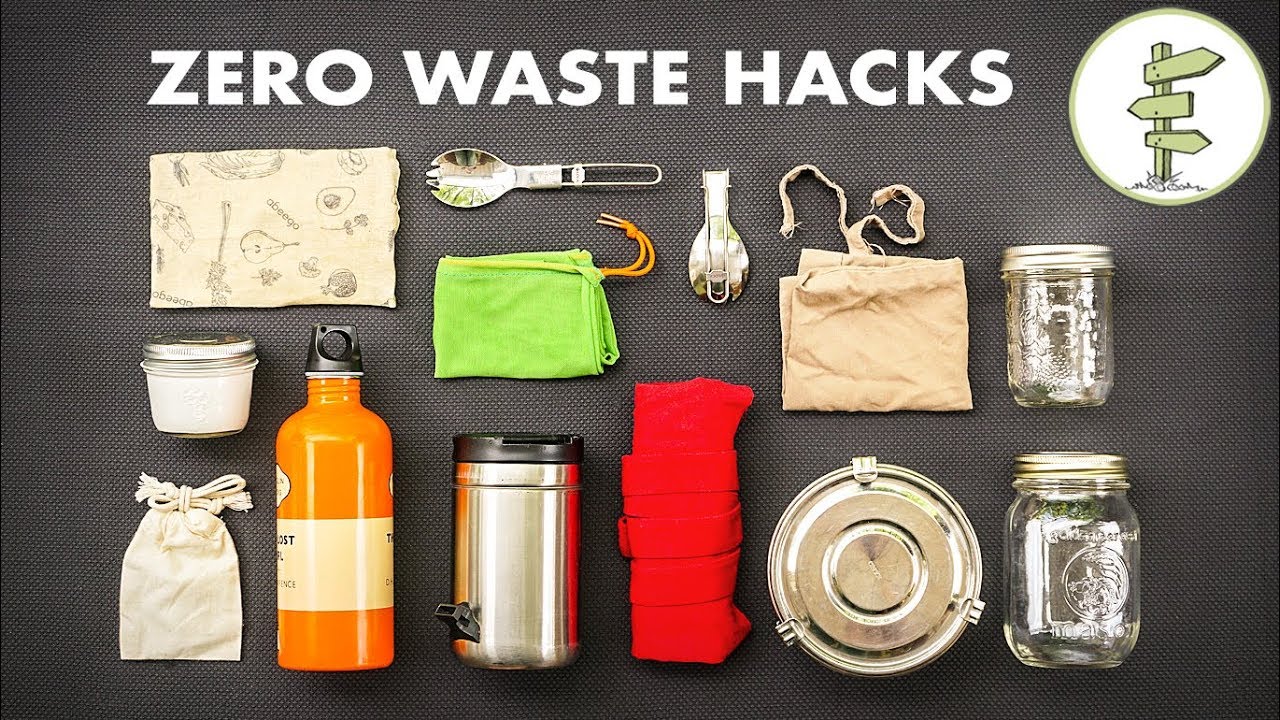
Mat and Danielle, the couple behind the YouTube channel Exploring Alternatives, built their following on exactly this kind of practical, no-frills content about alternative living. Their video “12 Cheap & Easy Tips for Reducing Your Waste – Sustainable Zero Waste Hacks” strips the zero-waste movement down to its actual mechanics: refuse what you can, reuse what you already own, and stop paying for packaging you’re going to throw away anyway. It’s aimed squarely at beginners who assume the lifestyle means matching glass jars and a $40 bamboo utensil set.
- Mat and Danielle break the video into twelve concrete, no-cost habits rather than a shopping list of specialty gear.
- The core moves are refusing single-use items — reusable grocery and produce bags, a refillable water bottle — and buying dry goods from bulk bins using containers already at home.
- Household fixes include DIY vinegar-and-baking-soda cleaners, cloth rags cut from old textiles instead of paper towels, bar soap or shampoo bars over bottled toiletries, and composting food scraps.
The Beginner’s Case Against Expensive Gear
The video opens by dismantling the assumption that runs through most “zero waste” content online: that you need an aesthetic, curated kit to get started. Mat and Danielle instead frame the twelve tips as habits, not purchases — swaps that use what’s already sitting in a kitchen drawer or closet. That framing matters because the perceived cost and complexity of sustainable living is precisely what keeps beginners from trying it at all.
Instead of pitching stainless steel straws or matching produce bags, the tips lean on things most households already own: old jars, worn-out t-shirts, and containers from last week’s takeout. It’s the same logic behind a lot of the reuse-first content on how recycling machines turn used apparel into new clothes — extending the life of what already exists rather than buying a “greener” replacement.
Shopping Habits That Cut Packaging at the Source
Several of the twelve tips target the shopping trip itself, before waste ever reaches the trash can. Bringing reusable grocery and produce bags, carrying a refillable water bottle or reusable beverage container, and buying staples from bulk bins using existing jars all attack packaging at the point of purchase rather than trying to sort it out afterward.
Rejecting unnecessary packaging and preparing meals from scratch — instead of relying on single-serve wrapped snacks — round out the shopping-and-cooking side of the list. The logic is simple: the easiest piece of trash to deal with is the one that never comes home with you.
Twelve habits, zero fancy gear — just bulk bins, bar soap, and the containers already in the kitchen.
DIY Swaps for the Kitchen and Bathroom
Inside the house, the video pushes toward homemade over store-bought. A vinegar-and-baking-soda mix replaces branded plastic spray bottles for cleaning, cloth rags cut from old textiles replace paper towels, and bar soap or shampoo bars replace bottled toiletries. None of it requires specialty products — just a willingness to make do with basics that already sit in most pantries.
That same reuse-over-replace mindset shows up across a lot of the DIY and home content Exploring Alternatives’ audience tends to gravitate toward, from off-grid builds to permaculture setups like the one profiled in a radically simple permaculture life on a quarter acre.
Composting and the Food-Waste Problem
The final stretch of tips zeroes in on food waste specifically — intentional meal planning, creative use of leftovers, and composting organic scraps instead of bagging them for the curb. It’s a smaller-scale version of a problem that shows up at every level of waste management, including on the industrial end, where operations like how the world’s largest cruise ship deals with its waste have to process food and packaging at a completely different scale.
Mat and Danielle’s point throughout is consistent: none of these twelve habits demand a lifestyle overhaul or a wallet-draining shopping trip. They just require using what’s already on hand a little more deliberately — cutting up the shirt instead of buying rags, filling the jar instead of buying a new container, and composting the scraps instead of bagging them.








10 Cutest Exotic Animals You Can Own as Pets
WE SLEPT IN A JUNGLE TREEHOUSE (overlooking an active volcano)
Batman Cosplay Breaks World Record
In Residence: Jim Olson – inside the architect’s treetop house
The Deepest Dive in Antarctica Reveals a Sea Floor Teeming With Life