

 InfoSearched
A retired scientist says the poison ivy rash you dread is almost entirely preventable, and the fix costs about a dollar in dish soap.
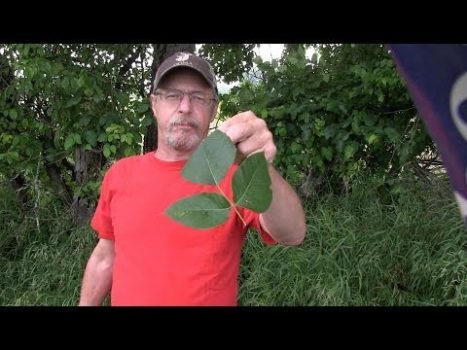
Jim Brauker, Ph.D., spent more than 25 years as a biomedical scientist studying skin inflammation and wound healing before retiring to spend his time on outdoors projects, including whitetail deer habitat management on his own property. That work put him in constant contact with poison ivy, and because he has high sensitivity to it, he either had to quit clearing brush or figure out exactly how to stop urushiol from doing its damage. His video, “How to never have a serious poison ivy rash again,” lays out the mechanical method he settled on after years of testing.
- Urushiol, the oily resin in poison ivy, oak, and sumac, behaves like “invisible axle grease” — thick and sticky enough that water, soap lathering alone, or expensive specialty washes barely touch it without physical scrubbing.
- Brauker says urushiol takes roughly two to eight hours to fully penetrate the skin on most of the body, leaving a realistic window of about three to four hours after exposure to remove it completely.
- His protocol: scrub every exposed area with a damp washcloth, flannel rag, or loofah and ordinary soap or dish detergent like Dawn, rinse, and repeat the process at least three times.
Friction Outperforms Chemistry in Performance
Brauker’s central point runs against what most people assume about washing off poison ivy oil. Because urushiol is a thick, adhesive resin rather than a water-soluble substance, simply running water over exposed skin or working up a soap lather does little to break its bond to the epidermis. What actually strips it away is mechanical friction — the physical scraping action of a rough cloth dragged across the skin, combined with a surfactant to carry the loosened oil away.
That’s why Brauker insists a plain damp washcloth used with dish soap will outperform a premium urushiol-removal wash if that wash is applied without scrubbing. The chemistry helps, but the scrubbing does the actual work.
A damp washcloth and ordinary dish soap, scrubbed with real friction, can beat an expensive specialty wash used without it.
The Three-to-Four-Hour Window
Timing separates a clean escape from a miserable rash. According to Brauker, urushiol generally needs two to eight hours to fully penetrate skin across most of the body, which means someone who has just cleared brush or brushed against poison ivy on a hike has roughly three to four hours to act before the oil sets in and triggers contact dermatitis. Past that window, scrubbing still helps limit spread, but it won’t reliably prevent the reaction.
The urgency explains why Brauker built his method around materials people already have at home rather than a specialty product that has to be bought and kept on hand. A washcloth and dish soap under running water in a bathroom sink is something almost anyone can act on within minutes of coming inside.
The Scrub-Rinse-Repeat Protocol
Brauker’s method is deliberately simple to remember under pressure. Wet a washcloth, flannel rag, or loofah, apply standard soap or dish detergent such as Dawn, and vigorously scrub every skin surface that may have brushed against the plant — not just visibly exposed areas, since contact can transfer through clothing seams and touch points. Rinse thoroughly, then repeat the full scrub-and-rinse cycle at least three times total.
He stresses that skipping repetitions or relying on a single quick pass is where most people fail. The oil is stubborn, and one scrub often isn’t enough to fully clear it from skin with fine texture like knuckles, wrists, or behind the ears.
Gear and Clothing Stay Contaminated
Brauker’s other warning covers everything that touched the plant besides skin. Boots, gloves, pant legs, garden tools, and even pet fur can carry active urushiol indefinitely if left uncleaned, meaning a rash can show up days later from handling a jacket or a rake that was never washed after the original exposure. He treats contaminated gear with the same scrub-and-soap approach he uses on skin, rather than assuming it will simply wear off with time or a rinse in plain water.
For anyone doing regular land-clearing or habitat work — the kind of project covered in guides like Solo Overnight Building a Sandbag Shelter In the Woods — that means treating boots and tools as part of the decontamination routine, not an afterthought.
Brauker’s takeaway is that people who think they’re immune to poison ivy usually just haven’t had a bad enough exposure yet, and the fix isn’t a $20 tube of cream — it’s a washcloth, dish soap, and doing it three times within a few hours of being in the woods.







Milan Fashion Week – Fall/Winter 2019
Our TINY HOME IN THE SWISS ALPS (full tour)
Cracking the Uncrackable Code
Building a Medieval House | 10 Day Bushcraft Shelter Build
Catch and Cook BATRAY! Delicious Recipe!!