

 InfoSearched
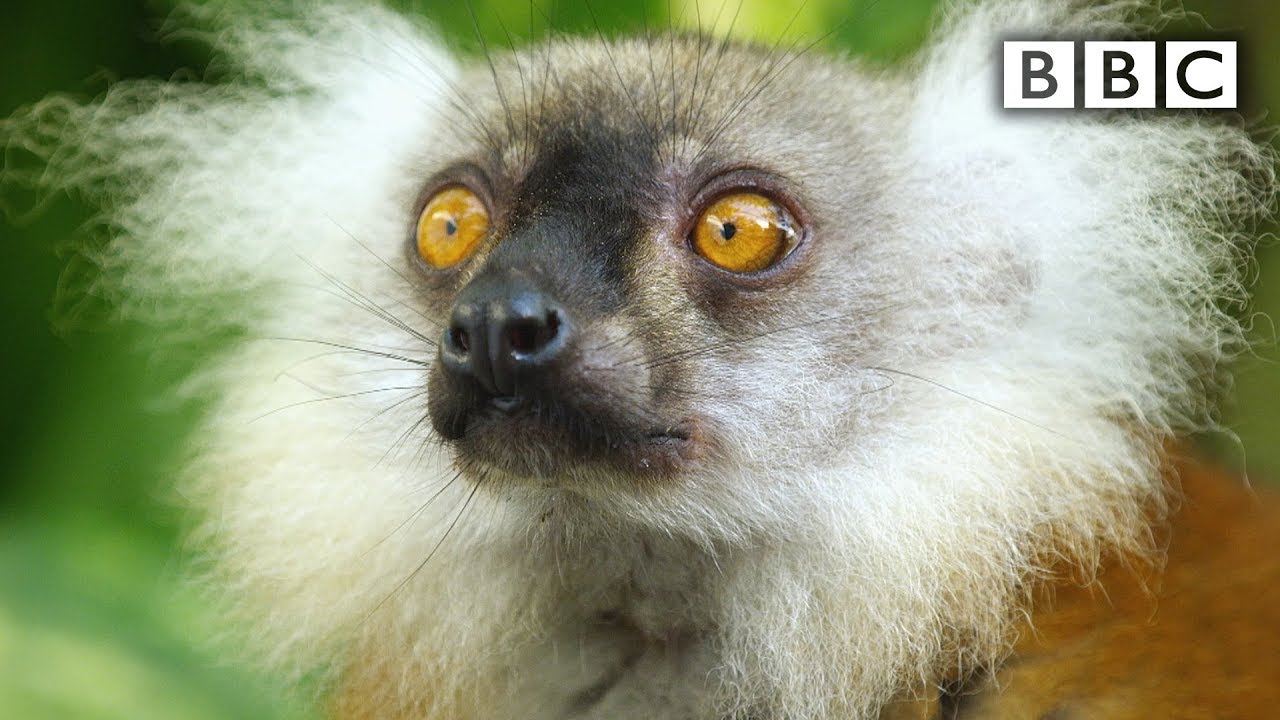
Wild lemurs in Madagascar have found a way to get high off millipede venom — and BBC spy cameras caught the whole ritual on film.
The sequence comes from Spy in the Wild, the BBC series that hides animatronic cameras among wild animals to capture behavior no human crew could get close enough to film. In Madagascar, those robotic lemur look-alikes recorded a troop doing something scientists have suspected for years but rarely documented this clearly: biting toxic millipedes on purpose, drooling heavily, and smearing the chemical cocktail across their fur before staggering off to sleep it off.
- Lemurs deliberately nibble large millipedes without crushing them, provoking the invertebrates to release defensive chemicals including benzoquinones and cyanide compounds.
- The resulting saliva-toxin mixture gets rubbed into their fur and skin as a natural insecticide against malaria-carrying mosquitoes and parasites.
- The same chemicals inhibit the lemurs’ monoamine oxidase enzymes, producing rolled-back eyes, heavy drooling, loss of coordination, and a dazed stupor.
The Mechanics of Behavioral Patterns
The footage shows lemurs approaching millipedes with a surprising amount of care. Rather than eating the arthropod outright, they pick it up and gently bite down, just enough to irritate it without killing it. Millipedes respond to that kind of threat the way they respond to any predator: by secreting a chemical defense meant to make themselves unpalatable, in this case a blend of benzoquinones and cyanide compounds strong enough to deter most animals from a second attempt.
Lemurs, evidently, are not most animals. They let the secretion mix with their saliva, then start rubbing it into their coats with their hands and mouths. It is a grooming behavior with a very specific purpose — mosquitoes carrying malaria and other parasites are a constant threat in Madagascar’s forests, and the millipede compound appears to work as a repellent potent enough to be worth the side effects.
The Toxic Side Effects
Those side effects are where the footage turns from clever animal behavior into something closer to a nature documentary fever dream. The same benzoquinones and cyanide compounds that make millipedes unappetizing to predators also suppress monoamine oxidase enzymes in the lemurs’ systems, and that suppression shows up almost immediately in their behavior.
Rolled-back eyes, heavy drooling, and a dazed stupor — then the lemurs simply lie down in the trees to sleep it off.
John Downer Productions built the animatronic cameras specifically to get this close without spooking the animals, the same approach the studio has used to film other hard-to-reach predators and prey in the wild. The result here is a troop of lemurs losing coordination in real time, wobbling along branches before settling in for what amounts to a forced nap while the compounds work their way out of their systems.
Strategic Justification for Calculated Risk
Malaria remains a serious threat to wildlife across Madagascar, and mosquito-borne parasites can be just as dangerous to lemurs as they are to humans on the island. Self-anointing with millipede toxin gives them a chemical shield that plain grooming can’t match, even if the tradeoff is a temporary and fairly dramatic intoxication. It’s the same cost-benefit logic seen in other corners of the animal kingdom, where creatures tolerate short-term discomfort or risk for a longer-term survival edge — a pattern that shows up again and again once cameras get close enough to actually see it, the way documentary crews chasing footage of the desert’s most efficient predators or the animal kingdom’s most extreme confrontations have found time and again.
The clip has circulated widely since it aired precisely because it looks so much like a party trick — but the lemurs aren’t chasing a buzz, they’re managing a mosquito problem the hard way, and the stupor is just the price of the repellent.








How to Build Real Fully-Functional Jump Stilts From Scratch For Under $50!
Impossible Climb In Dirt Bike Graveyard
ABANDONING OUR VAN IN AFRICA
THIS IS EPIC: Elon Musk gives a rare glimpse into HOW HIS MIND WORKS
Amazing Cockpit View! US Navy Blue Angels Team