

 InfoSearched
A two-dollar bottle can turn seawater into something you can actually drink.
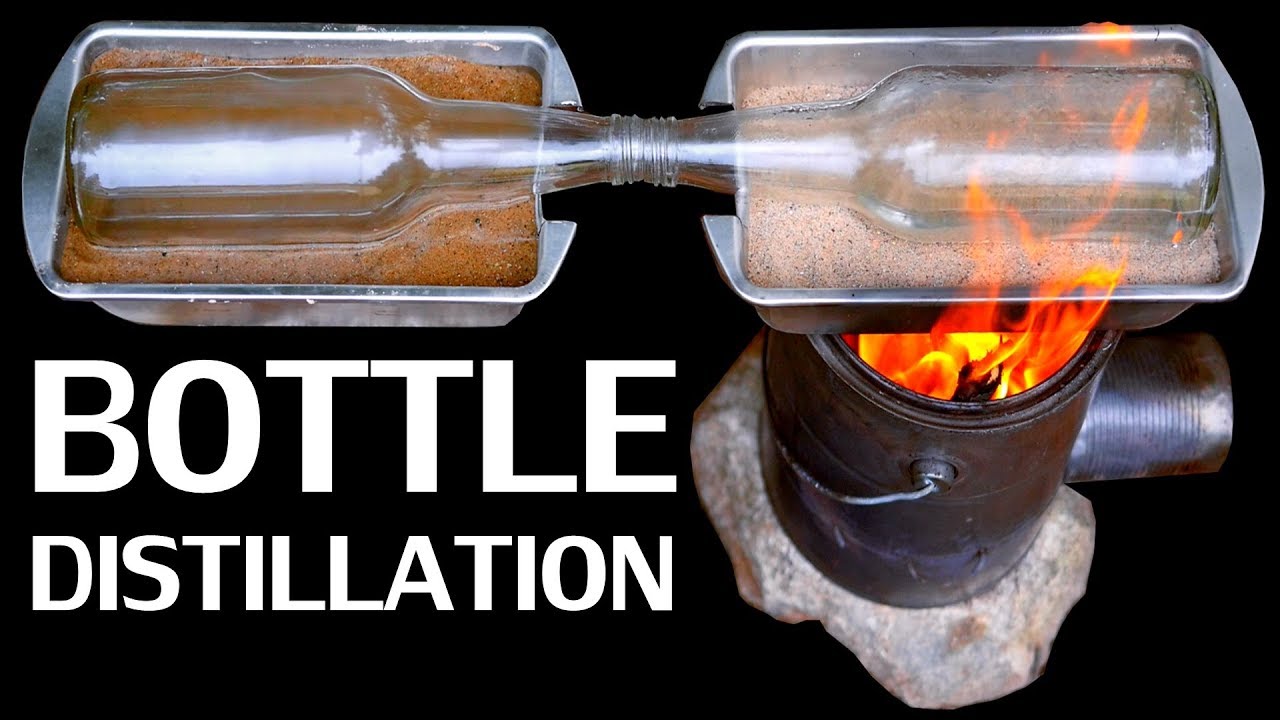
NightHawkInLight, the DIY channel known for scrappy survival builds, has put together a distillation rig that turns saltwater into fresh water using parts most people already have lying around a garage or a bug-out bag. The whole build runs $2 to $5. No reverse-osmosis membrane, no pump, no batteries — just heat, a sealed vessel, and basic physics doing the separating.
- The complete build costs between $2 and $5 in materials, all of it common enough to scavenge or pack ahead of time.
- The demonstration starts with roughly 250 milliliters of saltwater and heats it until it converts to steam, leaving salt and mineral residue behind in the original container.
- Vapor travels through an improvised condensation path, cools, and collects as drinkable water in a separate reservoir — often described online as the “DIY Salt-Water Survival Bottle” method.
Mechanism of the Bottle Operation
The build leans on thermal distillation, the same underlying principle industrial desalination plants use, just shrunk down to pocket size. Saltwater goes into one chamber and gets heated; as it boils, water molecules break free as vapor while salt and other dissolved minerals stay put because they don’t vaporize at the same temperature. That vapor is then routed through a tube or channel into a second, cooler container where it condenses back into liquid — now stripped of the salt that made it undrinkable in the first place.
NightHawkInLight runs the demonstration with about 250 milliliters of saltwater, enough to show the process start to finish without needing a long cook time. The output isn’t a lot per cycle, but the point of the build isn’t volume — it’s proving the concept works with virtually no equipment.
Significance of the Total Cost
Reverse-osmosis purifiers, the gear most preppers reach for first, require semi-permeable membranes and enough pressure to force water through them — hardware that isn’t cheap and isn’t always easy to find in a real emergency. NightHawkInLight’s build skips all of that. At $2 to $5 in parts, it’s built to be something you could assemble twice, three times, or scavenge on the spot if your primary gear fails or never made it into your pack.
The entire desalination setup costs between $2 and $5 to assemble — no membrane, no pump, no power source required.
That price point is the whole pitch. This isn’t meant to replace a household filtration system; it’s meant to be the thing standing between you and dehydration when nothing else is available.
Target Audience for the Build
The design targets a specific audience: emergency-preparedness planners, backcountry travelers, and anyone thinking through an off-grid or coastal survival scenario where a commercial purifier or a reliable freshwater source isn’t an option. It fits the same mindset as other low-cost, high-utility builds in the survivalist space — the kind of gear people compare against a bug-out tent or a scavenged shelter setup when they’re stress-testing their kit against a worst-case scenario.
It also slots naturally alongside other scavenge-and-build content, like turning plastic wrap into an emergency shelter or improvising cover from raw materials on hand. The appeal is the same across all of it: minimal cost, minimal gear, maximum function when the alternative is nothing.
The Trade-Offs
This isn’t a bulk-water solution. Producing meaningful quantities of drinking water this way takes time, fuel for heat, and repeated cycles — a single run on 250 milliliters of saltwater isn’t going to hydrate a family for a day. What it does offer is a proof of concept that works with parts you can find in a kitchen drawer, which is exactly why it’s built for the emergency-kit crowd rather than as a daily-use purification method.
For anyone stress-testing their own setup the way NightHawkInLight’s audience tends to, the logical next step is pairing this kind of improvised distillation with the same scavenge-and-build mentality behind projects like a sandbag shelter built solo in the woods — cheap, replicable, and not dependent on anything you can’t find yourself.







How Taylor Hill Gets Runway Ready | Diary of a Model | Vogue
How My Luxury Lifestyle Started! – Candid Conversations With Anna Bey #1 School of Affluence
9 Survival Gardening Crops to Grow in a Post Apocalyptic World
2021 Ford Bronco – Complete Look At The New Bronco
“I Have To Drink 20 Liters Of Water A Day To Stay Alive”