

 InfoSearched
Picture Manhattan with the power off, the subways flooding, and not a single person left to notice.
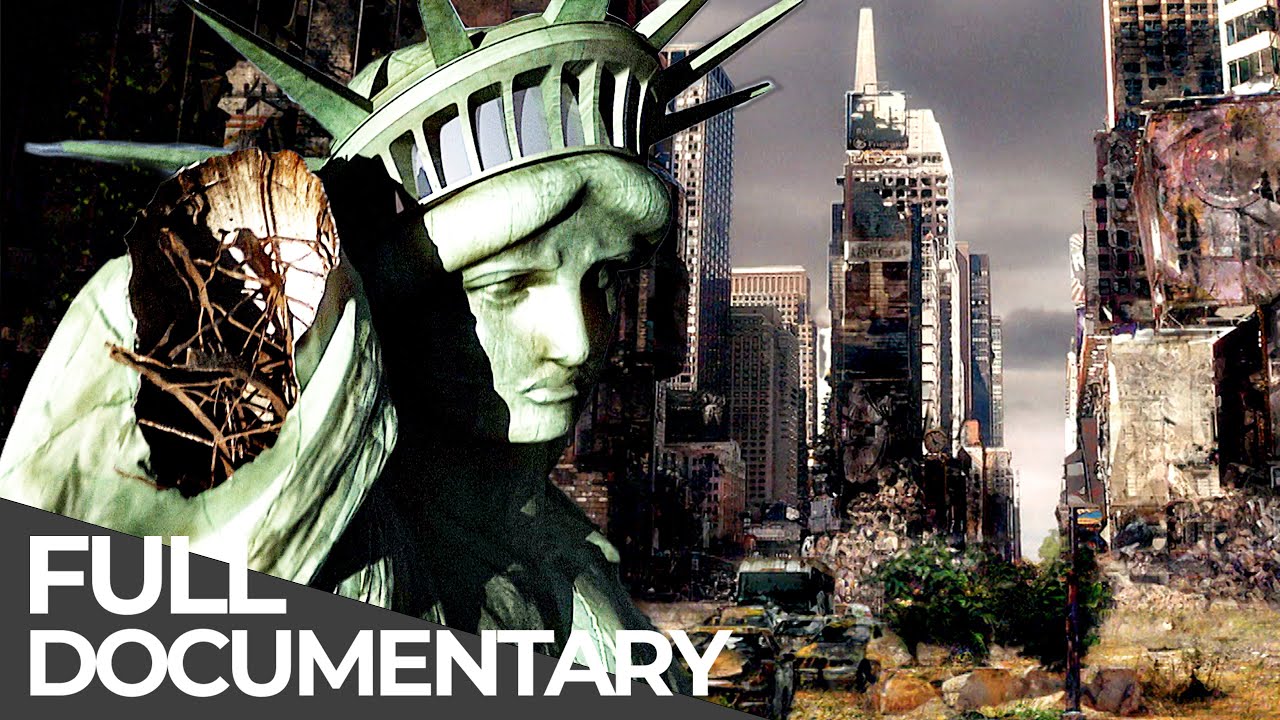
That’s the premise the History Channel put on air on January 21, 2008, in a two-hour special that turned out to be one of the network’s biggest bets of the decade. Life After People isn’t a disaster movie about how humanity might vanish — it skips that question entirely and jumps straight to what happens to the buildings, bridges, pets, and power plants left behind once we’re gone.
Produced by Flight 33 Productions and directed and written by David de Vries, the special leans on mechanical engineers, biologists, and urban ecologists to build a hour-by-hour, then decade-by-decade, then millennia-by-millennia forecast of decay. It’s heavy on CGI, but the reasoning underneath it is grounded in actual engineering failure points — the same kind of analysis that governs why a bridge needs inspection or why a subway system needs pumps running around the clock.
- The special aired January 21, 2008, and drew 5.4 million viewers — at the time, the most-watched telecast in History Channel’s history.
- Its 94-minute runtime tracks decay from the first hours after humanity disappears (power grids failing, New York subway tunnels flooding once drainage pumps stop) out to millions of years in the future.
- The ratings success led directly to a full multi-season series that launched in 2009.
The First Hours and Days
The special’s opening stretch is the most immediate and, in some ways, the most unsettling. Power grids don’t die instantly — they fail within hours to days as fuel supplies at plants run out and automated systems lose the maintenance they depend on. In New York City, the documentary zeroes in on the subway system, where pumps that constantly drain groundwater out of the tunnels stop running almost right away, and flooding begins beneath the streets before most other infrastructure even starts to show cracks.
Domestic animals get their own grim timeline. Dogs and cats left behind either starve indoors or, for the ones that get out, begin adapting into feral scavengers competing for scraps in streets that no longer have garbage pickup. Fires, meanwhile, start the way they always do — a stove left on, a lightning strike, faulty wiring — except now there’s no fire department to answer the call, so blazes spread through blocks unchecked.
Decades of Corrosion
Once the special moves past the first year, it settles into the slow arithmetic of rust and neglect. Without anyone repainting steel, clearing drains, or patching concrete, corrosion works its way through the structural bones of cities. The documentary walks through what that means for landmarks specifically — bridges losing structural integrity, dams eventually failing without maintenance crews, and skyscrapers succumbing to water infiltration and metal fatigue over the span of decades rather than centuries.
This isn’t the story of how we might vanish… it is the story of what will happen to the world we leave behind.
That tagline is the spine of the whole special — it’s not interested in the apocalypse itself, just the aftermath, which is why so much of the runtime is spent on mundane-sounding but critical systems like drainage pumps and power grids rather than any single catastrophic event.
Real-World Evidence
To keep the speculation tethered to something real, the documentary sends its cameras to places that already look like the future it’s describing. Pripyat, the Chernobyl exclusion zone city abandoned after the 1986 disaster, gets extended treatment as a working model of what happens to apartment blocks and public buildings when people leave and never come back. The special also visits deserted coastal island towns in Maine and underground utility tunnels, using both as smaller-scale case studies for reclamation happening in real time rather than in a computer model.
It’s the same instinct that’s made abandoned-place documentaries a durable genre ever since — audiences that want to see human infrastructure without humans, whether that’s a ghost town in Chernobyl or, decades later, the overgrown former estate of a drug lord’s hippo legacy still haunting Colombia. Flight 33 Productions clearly understood the appetite was there, because the format kept expanding well past this one special, and the broader wave of ecological-decay and world-without-us programming that followed is well represented in InfoSearched’s own documentaries coverage.
Millions of Years Out
The final stretch of the special is where the CGI does the heaviest lifting, projecting forward past the point where any human-made structure survives recognizably. Skyscrapers are gone, dams have failed, and cities that once housed millions have been fully absorbed back into forest, coastline, or grassland, with only the most durable materials — certain metals, some concrete foundations — leaving any trace at all.
The 5.4 million viewers who tuned in on January 21, 2008, made this the biggest night in History Channel’s history up to that point, and the network didn’t sit on that number — it turned a single two-hour special into a full series starting in 2009, built entirely on the same premise of watching the world do just fine, thank you, once nobody’s left to run the pumps.







Shipping Container House – 3 bedrooms – Two 40 ft.
Meet the Man Who Escaped the Soviet Bloc in a Homemade Plane
Home From The Future – Modern Contemporary Futuristic Home By Brian Foster
Building A Temple Swimming Pool Underground
Jim Norton and Joe Rogan Debate Bob Lazar’s Story