

 InfoSearched
Behind black iron gates in Northumberland sits a garden built entirely from things that can kill you.
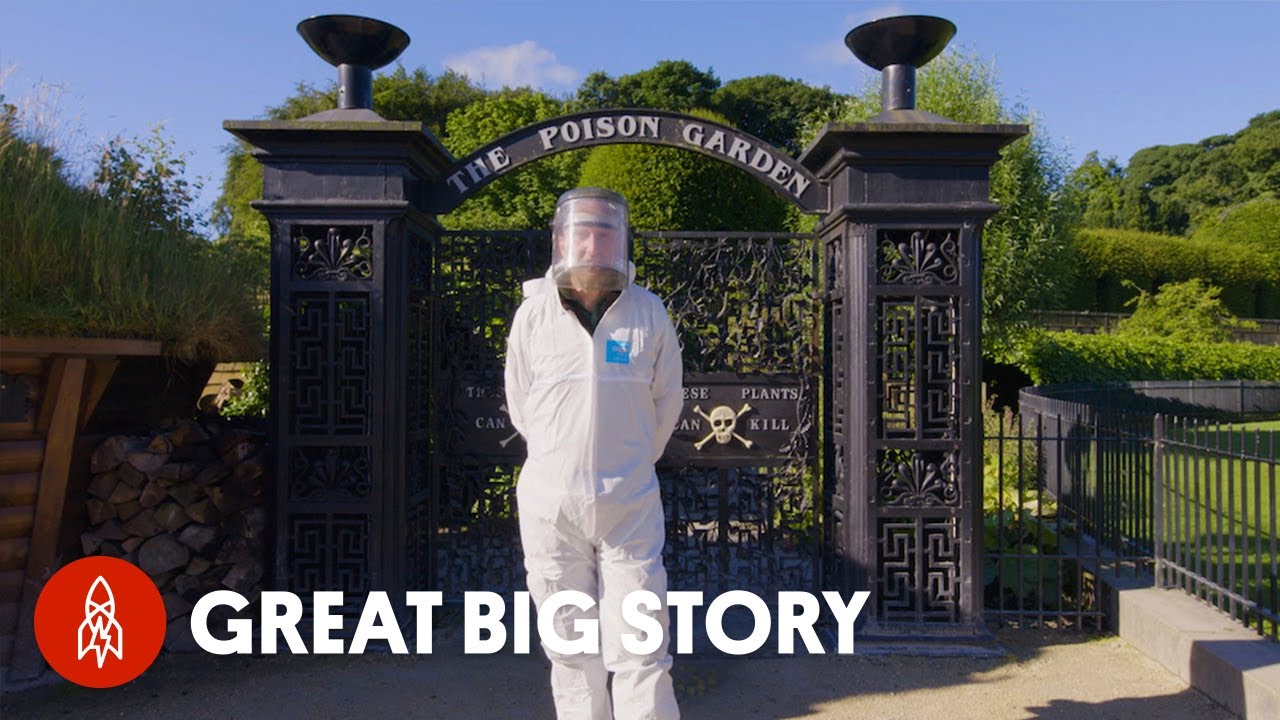
The Alnwick Garden, next to Alnwick Castle in the north of England, doesn’t hide its most famous section behind a polite hedge or a “staff only” sign. It locks it up. The Poison Garden greets visitors with skull-and-crossbones plaques reading “These Plants Can Kill,” and every one of the roughly 100 species growing inside earned its spot by being toxic, narcotic, or otherwise dangerous. Great Big Story’s video “Enter the Deadliest Garden in the World” takes cameras past those gates to show exactly what the fuss is about.
- Jane Percy, Duchess of Northumberland, established the Poison Garden in February 2005 after visiting the old Medici poison gardens in Italy, building it as a deliberate alternative to a standard medicinal herb garden.
- The enclosure holds around 100 toxic, narcotic, and lethal plants, including deadly nightshade, hemlock, strychnine, castor bean, angel’s trumpet, and giant hogweed, which causes severe blistering burns on contact with skin.
- Cannabis, opium poppy, and coca are grown inside under strict Home Office licensing for drug education, and head gardener Trevor Jones’s team works the beds in masks and gloves to avoid absorbing toxins.
A Duchess’s Deliberate Provocation
Jane Percy didn’t set out to build a pretty garden. When she inherited the job of reviving the grounds at Alnwick Castle, she wanted something that would actually get people talking, and a wall of foxgloves wasn’t going to do it. She landed on the idea after learning about the Medici family’s poison gardens in Renaissance Italy, and in February 2005 she opened her own version to the public. Instead of soothing herbs, the beds are stocked with plants selected specifically because they injure, sicken, or kill.
That inversion is the entire point. Most botanical gardens exist to showcase what plants can heal. This one exists to showcase what they can do to you if you’re careless, which turns out to be a far more effective way to get a crowd to actually read the plant labels.
Factors Driving Internal Growth
The collection reads like a toxicology textbook. There’s Atropa belladonna, deadly nightshade, whose berries have poisoned careless foragers for centuries. There’s Conium maculatum, hemlock, the plant historically linked to Socrates’ execution. Strychnos nux-vomica supplies strychnine. Ricinus communis, the castor bean plant, produces ricin, one of the most lethal natural toxins known. Brugmansia, better known as angel’s trumpet, contributes its own load of dangerous alkaloids. Giant hogweed doesn’t even need to be touched with intent — its sap reacts with sunlight on skin and causes severe blistering burns, a phototoxic reaction rather than a simple allergy.
Many of the plants behind those black gates are the same ones sitting quietly in an average person’s cottage garden — grown for years without anyone realizing what they’re capable of.
Mixed in among the outright poisons are controlled narcotics, grown legally under strict Home Office licensing purely for educational purposes: cannabis, Papaver somniferum (the opium poppy), and coca. The point isn’t to glamorize them but to let visitors see, in person, the actual plants behind substances they’ve only heard about in headlines.
Tending a Garden That Fights Back
Head gardener Trevor Jones and his crew don’t work these beds the way you’d tend a rose garden. Masks and gloves are standard kit, a precaution against absorbing toxins through the skin or inhaling noxious vapors thrown off by certain specimens. It’s less like landscaping and more like handling controlled material, because that’s essentially what it is. The same caution that keeps the plants alive and photogenic for tourists is what keeps the people pruning them from ending up in the same story as their subjects — a balance that anyone maintaining their own garden’s less obvious hazards would recognize, as detailed in how to never have a serious poison ivy rash again.
Rules for Getting In
Nobody wanders through the Poison Garden unsupervised. Access is limited to guided tours, and the instructions are blunt: don’t touch, don’t smell, don’t taste anything. Staff keep benches positioned for visitors who need to sit down and first-aid support on hand, because people do occasionally faint from the toxic fumes drifting off certain plants. It’s a rare tourist attraction where the safety briefing isn’t boilerplate — it’s the whole reason the gate is locked in the first place, not unlike the caution demanded by other creatures profiled in The Blind Assassin of the Desert.
Trevor Jones and his team still have roughly 100 specimens to keep alive, licensed, and contained behind those black gates every season, which means the mask-and-glove routine isn’t going anywhere. For a garden built on the premise that the deadliest thing in the room might just be sitting in a flower bed, that’s the whole show — no admission without a guide, no touching, and no exceptions.






The Brothers Who Aged Backwards (Medical Documentary)
I Climbed The Tallest Chimney In Europe (360M)
IS IT TOO LATE TO FLY HOME??? | Van Life in a Global Pandemic
The Badger that can escape from anywhere! | Honey Badgers: Masters of Mayhem
WOMAN Builds Breathtaking SUSTAINABLE DOME HOMES