

 InfoSearched
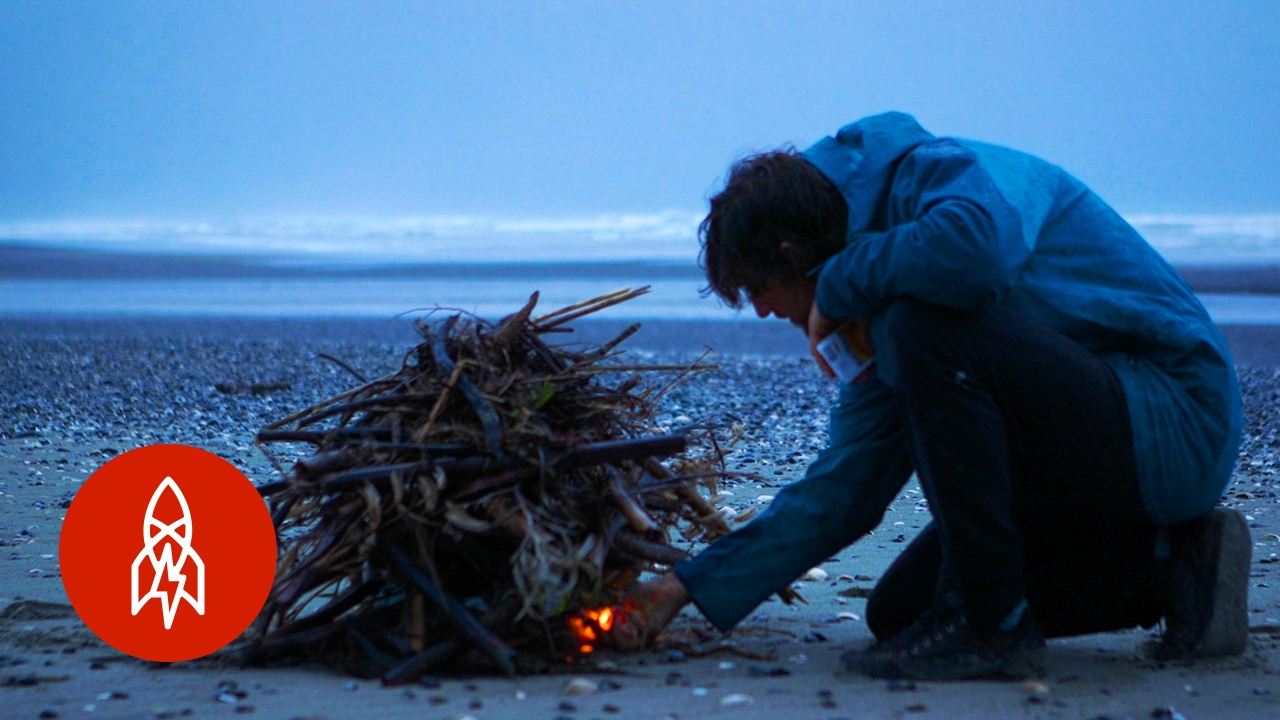
Forty kilometers north of Milford Sound, past four days of roadless bush, one family has been living off New Zealand’s wildest coastline since the 1980s.
Warrick Mitchell’s home sits in Big Bay, deep inside Fiordland National Park, a World Heritage site so remote that boat or light aircraft are the only ways in when the weather cooperates. Great Big Story profiled Mitchell’s life there for its “Frontiers” series, a strand built around dreamers and pioneers operating at the edges of society. His story is less about escaping civilization than about a family that never really left this particular patch of it.
- Mitchell lives in a cabin his father built in the early 1960s, in a settlement of roughly a dozen families holding grandfathered residency rights inside protected Fiordland National Park.
- The home is a four-day overland walk from the nearest road, reachable only by boat or light aircraft, and the Mitchells have lived there nearly full-time since the 1980s.
- Mitchell supports the household by foraging, hunting, and fishing — crayfish, mussels, trout, and whitebait, the last of which also brings seasonal income — alongside work as a marine scientist and fishing boat crewman across the South Pacific.
A Cabin With Grandfathered Rights
Fiordland National Park is New Zealand’s largest, a UNESCO World Heritage area of fjords, rainforest, and mountains where new settlement is effectively frozen. The Mitchells are among the roughly dozen families still permitted to live inside its boundaries, a status tied to a cabin that predates the park’s modern protections. Warrick’s father built the structure in Big Bay in the early 1960s, and the family has treated it as home base, not a holiday retreat, since the 1980s.
That distinction matters. Plenty of remote New Zealand baches sit empty most of the year. The Mitchell cabin is occupied, worked, and maintained through winter storms and summer whitebait runs alike, which is part of why Great Big Story built a Frontiers episode around it rather than treating it as a curiosity.
Getting In, Getting By
There’s no road to Big Bay. Reaching the cabin means a four-day trek through Fiordland’s bush or a flight in a light aircraft that can only land when conditions allow — Fiordland is one of the wettest places in New Zealand, and low cloud or heavy rain regularly grounds access for days. Boats fill in the gaps when the coastline cooperates.
Mitchell’s food supply comes almost entirely from the land and water around him: crayfish and mussels off the rocks, trout from the rivers, and whitebait during the seasonal runs that also generate a cash income he supplements with contract work as a marine scientist and deckhand on fishing boats across the South Pacific. It’s a similar rhythm to the subsistence-and-wage-work balance seen among other self-sufficient coastal households, like the family profiled in Fishpeople | Lives Transformed by the Sea.
Navigating the environment to make everything come together is what makes it such a rewarding life.
A Small Community That Covers Each Other
Isolation in Big Bay doesn’t mean solitude. The dozen or so families with residency rights function as a working community, trading supplies, sharing logistics for boat runs and flights, and stepping in when someone needs help getting equipment or food in during a weather window. It’s a model of off-grid living built less on independence from other people and more on interdependence with a handful of neighbors who happen to live nowhere near anyone else.
Outsiders drawn to the same self-built, self-sufficient ethos have chased similar arrangements elsewhere, from the floating homesteaders in Spectacular FLOATING HOME is Self-Built & Off-Grid to smaller-scale setups like Living a Radically Simple Permaculture Life on 1/4 Acre. Big Bay’s version is defined by scale and remoteness that few of those examples can match.
Paradise on Its Own Terms
Fiordland’s weather doesn’t ease up for anyone. Winters bring snow, and rain totals in parts of the park can run into the thousands of millimeters a year. Mitchell takes it as the cost of admission rather than a hardship to complain about, using the same rivers and coastline that make life logistically difficult for kayaking the local waterways and surfing breaks that, by virtue of being unreachable by road, stay empty.
Nobody’s building a road into Big Bay, and that’s the point — the isolation that makes supply runs a four-day slog is the same thing keeping Mitchell’s surf breaks uncrowded and his whitebait runs worth the trip out.




Building A Temple Swimming Pool Underground
White Wine Time-lapse
HOW MUCH $$$ DOES WRAP COST? | The REAL STORY Shops Might Not Tell You!
HOW TO IMPLEMENT A HEALTHY LIFESTYLE | Setting Habits & Wellness Goals
Disney’s Stunt Robots Could Change How Hollywood Makes Action Movies