

 InfoSearched
A Pittsburgh nursing-track grad talked her way into hunting and fishing media, and she’s mapping out exactly how she did it.
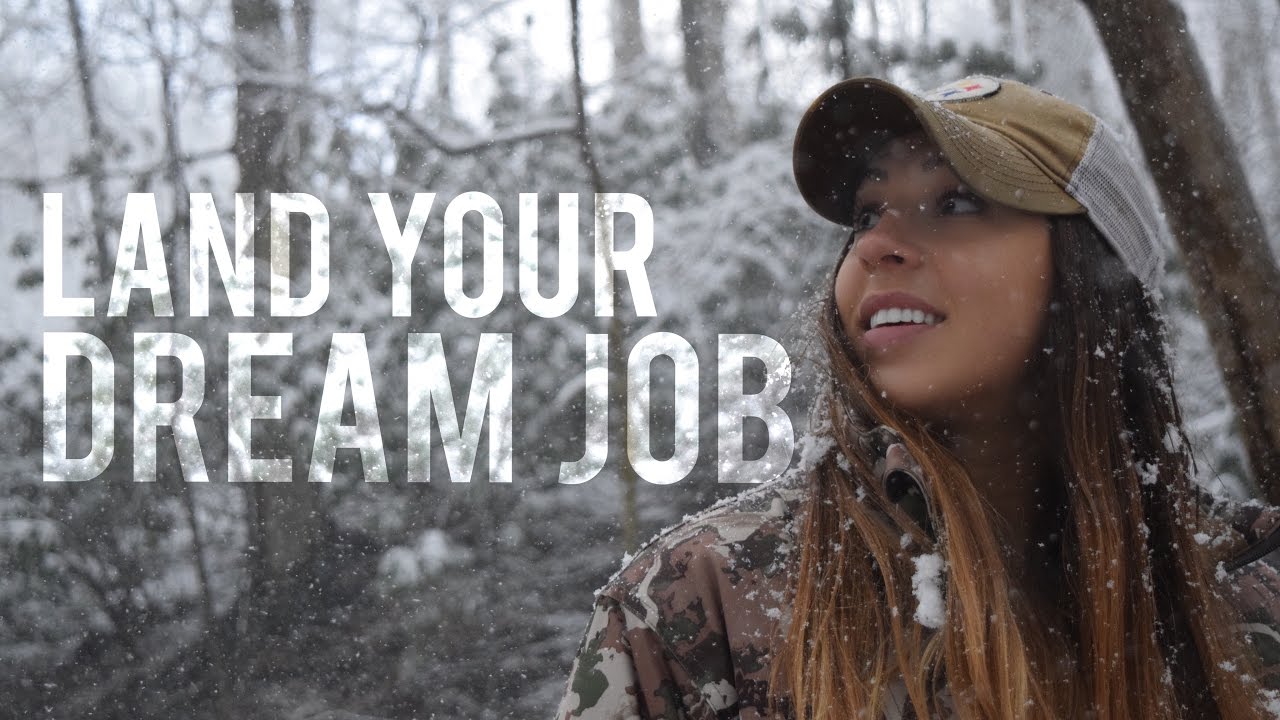
Allie D’Andrea didn’t grow up planning to build a career around trail cams and duck blinds. She earned a bachelor’s degree in emergency medicine from the University of Pittsburgh, then walked away from that track to work in digital media covering hunting, fishing, conservation and outdoor recreation. Under the name Outdoors Allie, she posted a video called “How to Get a Job in the OUTDOOR INDUSTRY | My Story” that breaks her own transition down into a usable roadmap for anyone trying to follow the same path.
- D’Andrea holds a bachelor’s degree in emergency medicine from the University of Pittsburgh and pivoted out of that field into outdoor industry digital media.
- The video addresses job seekers across every corner of the sector — gear manufacturing, hunting, angling, broader recreation and media — rather than just one niche.
- Her core framework centers on defining the real scope of the outdoor market, weighing whether a formal degree actually matters for a given role, and leaning on transferable business skills like digital marketing, brand management, content creation and logistics.
From Emergency Medicine to Outdoors Media
D’Andrea’s background isn’t the typical origin story for someone working in hunting and fishing content. An emergency medicine degree from Pitt trains you for trauma bays and ambulances, not gear reviews and brand partnerships. That’s precisely why she opens the video with her own résumé — to make the point that the skills that get you hired in the outdoor sector rarely look like a wildlife biology transcript.
Her larger argument is that the industry runs on the same operational backbone as any consumer goods or media business. Companies selling waders, rods, treestands or hunting apparel still need people who can run a P&L, manage a supply chain, or shoot and edit content for a product launch — regardless of whether that person has ever guided a hunt.
Defining the Actual Scope of the Outdoor Market
One of the first things D’Andrea tackles is a misconception she says trips up most newcomers: assuming “working in the outdoors” means getting paid to hunt or fish. In reality, the sector spans gear manufacturers, tackle and firearms companies, guide services, conservation nonprofits, media outlets and marketing agencies that all serve hunters and anglers without putting anyone in the field full-time.
That distinction matters for job seekers browsing listings that never mention “hunting” or “fishing” in the title. A role in e-commerce operations at a fishing tackle brand, or a logistics coordinator for a hunting apparel company, counts just as much as a guiding gig — and often pays more consistently.
The outdoor industry isn’t hiring more hunters and anglers — it’s hiring marketers, brand managers and logistics people who happen to love being outside.
The Degree Question
D’Andrea spends real time on whether a college degree is worth pursuing for someone chasing an outdoor industry job. Her own emergency medicine degree didn’t map directly onto her digital media career, and she uses that gap to argue that relevance matters more than the credential itself — a marketing degree, a communications degree, or even no degree at all can open doors if it’s paired with demonstrated skill.
Anyone weighing a similar move might find it useful to see how other people outside traditional office paths built careers from a passion project, the way the creators behind Hiking 70 Miles Alone on the Sawtooth Loop Trail in Idaho turned solo backcountry trips into a following worth building a brand around.
Building a Network and Proving Brand Value
D’Andrea’s most actionable section covers networking and field experience — attending industry trade shows, connecting with brands directly, and getting hands-on time with gear before ever applying for a job. She frames it as demonstrating value up front: showing a company what content, campaign idea, or operational fix you’d bring rather than waiting for a job posting to appear.
That same hands-on-first approach shows up across outdoor content more broadly, from gear-testing trips to on-the-water storytelling like Fishpeople | Lives Transformed by the Sea, where personal experience on the water becomes the credential that gets someone in the door.
D’Andrea’s own path — emergency medicine degree in hand, no hunting or fishing job title to speak of — is the proof of her own thesis: the outdoor industry doesn’t care what your diploma says as much as it cares whether you can build something a brand actually needs.

How Does Uruguay Exist?
Most PAINFUL experience of my life ???? Samoan Traditional TATTOO
Exploring The Most Beautiful Place on Earth
GIANT MANTIS SHRIMP – CATCH, CLEAN, COOK
Unusual ‘Lava Eggs’ Appear by Volcano