

 InfoSearched
A halal Richard Branson tries to get a plane off the ground — literally.
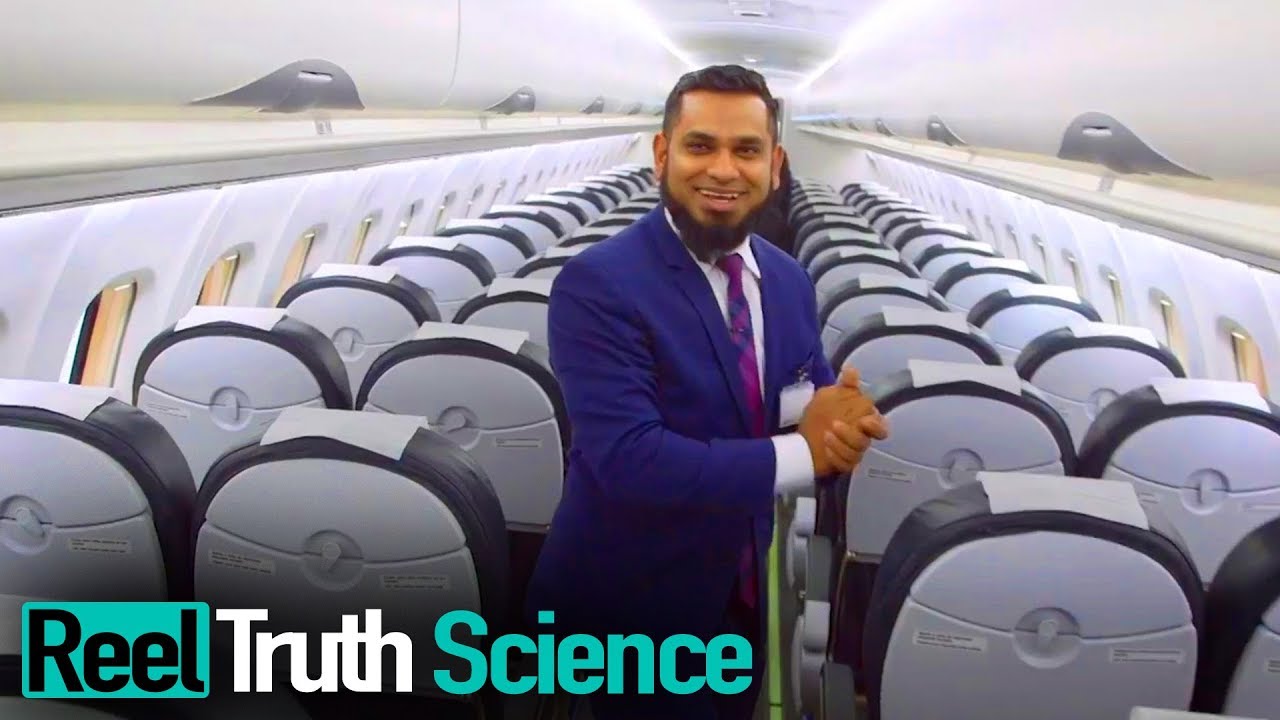
“How To Start An Airline,” the Channel 4 documentary now streaming via Banijay’s Reel Truth Science, follows British-Bangladeshi entrepreneur Kazi Shafiqur Rahman across 18 months as he attempts to build Firnas Airways, a carrier he pitches as the UK’s first Sharia-compliant airline. Rahman went from cleaning aircraft toilets at London City Airport and running a fragrance business called Sunnamusk to negotiating six-figure aircraft leases with no operating certificate and no confirmed routes. The film tracks every stumble in real time, guided by veteran aviation consultant John Brayford, who watches Rahman’s ambitions collide with the actual economics of running an airline.
- Rahman signed a £1 million lease for an ATR turboprop before securing any routes or an Air Operator’s Certificate.
- Talks to fly regional routes between Lydd (London Ashford) Airport and Waterford collapsed after Rahman arrived late to key meetings and demanded £250,000 from the airports instead of paying standard landing fees.
- After the original plan fell apart, Rahman crowdfunded roughly £400,000 and bought a 19-seat British Aerospace Jetstream 31 (registered 2-LCXO on Guernsey’s 2-register) to run short domestic charters out of Bournemouth.
The Original Pitch
Rahman’s initial concept was ambitious by any airline standard, let alone for a first-time operator: a long-haul carrier serving Halal-only food, enforcing modest dress codes, and banning alcohol entirely. He framed himself as a “halal Richard Branson,” selling investors and crowdfunders on a gap in the market for Muslim travelers who wanted an airline built around their faith rather than an afterthought accommodation on an existing carrier.
The problem, as Brayford makes clear throughout the documentary, is that branding an airline is the easy part. Certification, route rights, insurance, and aircraft financing are governed by regulators who don’t care how compelling the pitch deck is. Rahman had none of the operational background that typically precedes a launch like this, and it shows almost immediately once he starts negotiating with real counterparties.
The £1 Million Lease and the Missing Routes
Rahman committed to a £1 million lease on an ATR turboprop before he had locked down where the plane would actually fly or obtained the Air Operator’s Certificate required to fly passengers at all. That sequencing — signing the biggest financial commitment before the regulatory and commercial groundwork was done — becomes the film’s recurring cautionary note.
It comes to a head when Rahman tries to negotiate regional service between Lydd (London Ashford) Airport and Waterford. He shows up late to meetings that were supposed to lock in the deal, then demands £250,000 from the airports rather than simply paying the landing fees airlines normally pay to operate. The talks collapse, the ATR lease credibility goes with them, and Rahman is left without a route network for the aircraft he’s already committed a million pounds to.
He demanded £250,000 from the airports instead of paying the landing fees — and the deal died on the spot.
Backlash and the Pivot to Bournemouth
As the original plan unravels, Rahman also faces criticism from British Muslim media after he backtracks on some of his strict Sharia policies, undercutting the very identity he’d built the airline’s pitch around. Facing a collapsed route strategy and damaged credibility with lessors, he scales down dramatically.
Rahman raises around £400,000 through crowdfunding and partners with Jon Ibbotson, the former boss of Links Air, who brings actual operating experience to the venture. Together they purchase a 19-seat British Aerospace Jetstream 31, registered 2-LCXO on Guernsey’s 2-register, and reposition Firnas Airways as a short-hop domestic charter operation flying out of Bournemouth — a far cry from the long-haul, halal-only international carrier Rahman originally described.
Documentary Evidence Reveals Key Findings
What makes the film work is that it doesn’t editorialize much — it just lets the meetings, the missed deadlines, and the shrinking ambitions speak for themselves. Viewers watching aviation content in this vein, like the short-haul operations covered in Flying 240 Miles In 22 Minutes, will recognize how much regulatory and financial groundwork sits underneath even a small regional charter service — groundwork Rahman is learning about in real time, on camera, with his own money and his crowdfunders’ money on the line. It’s a useful companion piece to the broader catalog of aviation and business documentaries in the Documentaries section, where ambition and operational reality rarely arrive on the same schedule.
Firnas Airways ends the documentary a fraction of the size Rahman originally pitched — a single 19-seat Jetstream flying domestic charters from Bournemouth instead of a long-haul halal carrier with dress codes and alcohol bans. Whether that smaller operation ever scaled into anything more isn’t something the film answers; it simply closes on a first-time founder who traded a headline-grabbing vision for a plane that could actually get off the ground.









30 medicinal plants the Native Americans used on a daily basis
Return of the Plagues – Locusts
A Peek at the Haven
Making $35,000 Bonsai Scissors
Violinist STUNS Bangkok Street with “Radioactive” Looping Cover