

 InfoSearched
Long before pharmacies existed, tribal healers were reading the land itself for medicine — watching which plants sick animals reached for first.
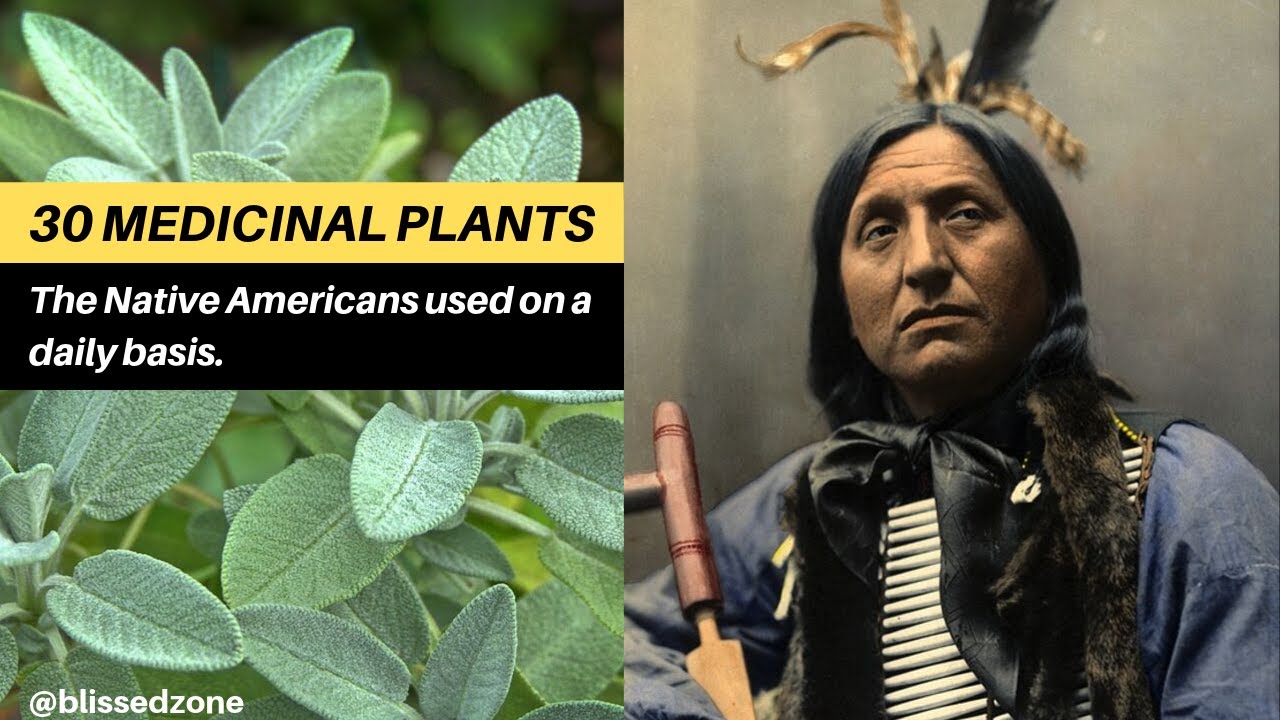
“30 Medicinal Plants The Native Americans Used On a Daily Basis,” produced by the wellness channel Blissed Zone, walks through the botanical remedies that indigenous healers across North America relied on for centuries. The video draws on practices documented across more than 500 distinct tribal nations, tracing how that knowledge was built, harvested, and passed down. It’s less a listicle than a survey of an actual pharmacopeia — one built from observation, not laboratories.
- Traditional healers reportedly first identified medicinal plants by watching which ones sick animals sought out and ate on their own.
- Harvesting followed a strict conservation rule: pickers took only every third plant they found to keep populations from being wiped out.
- Specific tribal applications are cited directly, including Cherokee healers brewing black gum bark tea for chest pain and Seminole use of saw palmetto for digestive complaints.
Methodology of Data Collection
The video’s central claim is that this wasn’t trial-and-error medicine invented in isolation — it was observational science passed down through generations of tribal healers. According to the presentation, plant knowledge originated from watching animal foraging behavior: when a sick animal deliberately sought out a specific root or leaf, healers took note and tested it themselves. That knowledge then compounded across more than 500 distinct indigenous nations, each adapting it to the plants native to their own climate and terrain.
Sustainability was built into the harvesting itself. Healers picked only every third plant they encountered in a stand, a rule designed to prevent overharvesting and guarantee the same medicine chest would still be standing the following season. It’s the same logic behind modern foraging ethics still taught in bushcraft and wild-plant circles today.
The Everyday Apothecary
Several plants covered in the video functioned as daily-use staples rather than emergency remedies. Yarrow (Achillea millefolium) was applied topically to stop bleeding and brewed as a tea for respiratory ailments. Cattail — a plant survivalists still prize for its usefulness — served as an easily digestible food source and a restorative remedy for people recovering from illness; readers who want the harvesting side of that plant can see it covered in Cattail Down Jacket Solo Overnight.
Black gum bark was brewed into a mild tea specifically by Cherokee healers to relieve chest pain, while saw palmetto — used by tribes including the Seminoles — served as a digestive stimulant for abdominal discomfort. Sage carried a dual role: treated as a sacred plant for clearing negative energy, it was also used practically to address muscle spasms and colds. Mullein rounded out the group, with its root brewed into concoctions for joint swelling and its leaves smoked or brewed as tea for respiratory illness.
Greenbriar rarely gets called by its Latin name in the field — healers and foragers just call it “Pull Out a Sticker.”
Circulation, Kidneys, and the Rest of the Cabinet
Beyond the headline plants, the video runs through remedies aimed at specific systems in the body. Red clover was used for circulation, wild ginger and licorice root appear as multi-purpose staples, and greenbriar — nicknamed “Pull Out a Sticker” for its thorny vines — was used as a urinary stimulant and cold remedy. Anyone who’s dealt with a bad plant-based rash from handling unfamiliar vegetation in the woods will recognize why identification mattered as much as preparation; see How to never have a serious poison ivy rash again for the modern equivalent of that same caution.
Medicine as Spiritual Practice
The video frames all of this within a broader philosophy: health wasn’t just physical, it was harmony between mind, body, environment, and the Creator. That framing shows up repeatedly in how plants like sage were used — as much for clearing negative energy as for treating muscle spasms. The presentation also carries a direct warning: some of the most potent plants in the list required precise, tribally-specific preparation, since getting the dosage or method wrong could turn a remedy into a poison. That caution is the throughline connecting all 30 entries — knowledge of the plant was only half the medicine; knowing exactly how much and how to prepare it was the other half.








Professional MODEL leaves BEVERLY HILLS to LIVE in a VAN
Catch and Cook BATRAY! Delicious Recipe!!
Inside Italy’s $1 Billion Marble Mountains
Making $35,000 Bonsai Scissors
Robot spy gorilla infiltrates a wild gorilla troop ????️???? | Spy In The Wild