

 InfoSearched
An axe swung wrong in the backcountry does more damage than good.
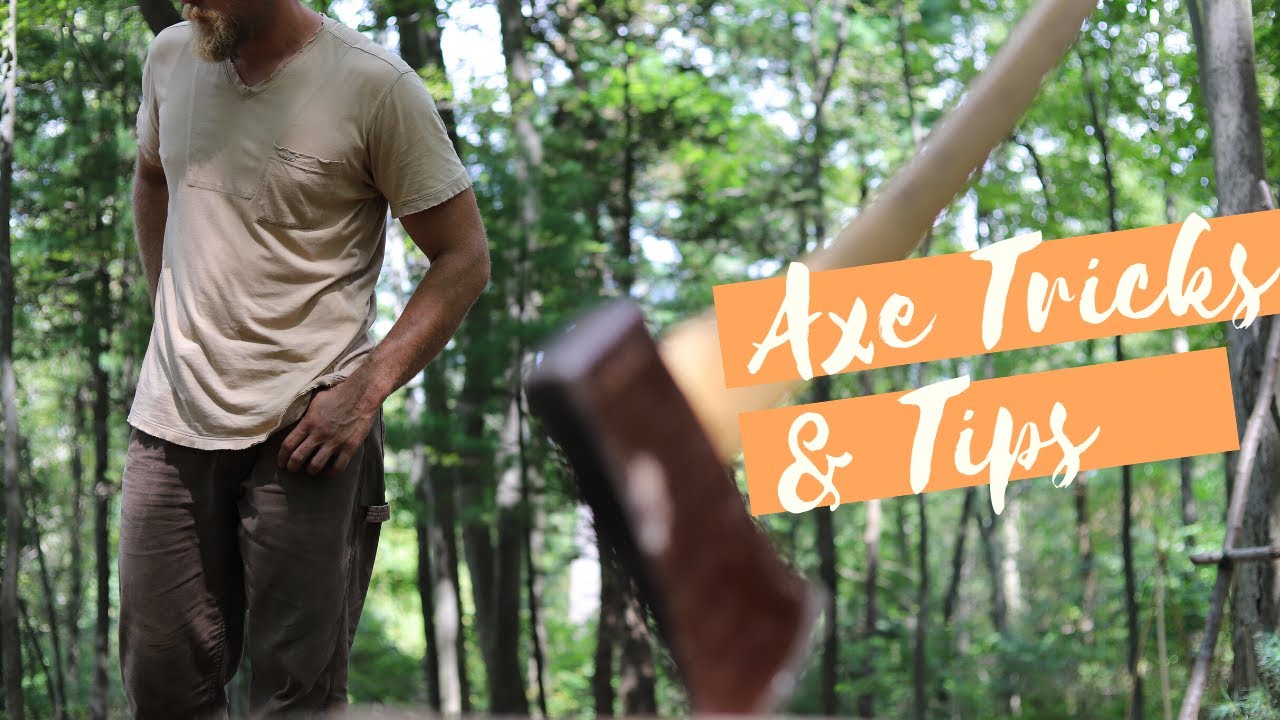
Dan Wowak wants outdoorsmen to stop treating their axe like a demolition tool. The founder of Coalcracker Bushcraft and the Appalachian Bushman School built his instructional video “3 Axe Tricks Every Outdoorsman Should Know” around a simple premise: most people swing too big, too fast, and too far from control. His techniques trade wild, full-arm chops for smaller, deliberate movements that get more done with less risk.
- Dan Wowak, founder of Coalcracker Bushcraft and the Appalachian Bushman School, hosts the demonstration on his channel’s YouTube video (ID ljgzF3JVFYE).
- The video focuses on controlled chopping and leverage-based handling rather than basic maintenance steps like sharpening.
- Wowak demonstrates positioning wood on a stump or solid ground support to perform fine camp tasks safely, without relying on large overhead swings.
High-Risk Activities Increase Outdoorsmen Injuries
An axe head traveling at full speed with no backstop is an axe head that keeps traveling if it misses or glances off the wood. Wowak’s approach starts from that reality. Instead of building his tricks around raw swing power, he shows viewers how to shorten the arc, choke up on the handle when precision matters, and let a stump or the ground itself absorb the follow-through so a missed strike has somewhere to go besides a boot or a shin.
That’s a meaningful shift from how a lot of people learn to use an axe, which is usually by watching someone chop firewood into a pile with no support underneath it. Wowak’s method treats the axe less like a sledgehammer and more like a precision tool — closer to how a carver handles a knife than how a lumberjack fells a tree.
Controlled Chopping Over Raw Power
The core of the video is technique over force. Wowak breaks down how to control the axe head through the entire stroke rather than just at the moment of impact, which lets a woodsman make finer cuts — notching a stake, cleaning a branch, squaring off a piece of kindling — without needing a hatchet or knife as a backup. It’s the kind of skill that matters more around camp than in a woodlot, where the tasks are small and precision counts more than brute chopping power.
Controlled chopping, positioning wood on a solid stump or ground support, and utilizing the tool’s leverage effectively.
That line sums up the whole demonstration. Every trick Wowak shows comes back to those three elements — control, support, and leverage — rather than treating an axe swing as a single blunt-force motion.
Leverage Does the Work Your Arm Shouldn’t
The third piece of the video is about letting the axe’s own geometry do the heavy lifting. Wowak demonstrates how positioning the wood correctly and using the head’s weight and angle can process material with far less effort than muscling through a cut. It’s a mechanical-efficiency lesson as much as a safety one — the same axe, used with better leverage, gets more done per swing while tiring out the user less over a long day of camp chores.
For anyone building out their bushcraft skill set alongside axe work, Wowak’s Coalcracker Bushcraft catalog pairs well with other hands-on camp projects, like the pine needle basket build that covers a different kind of fine handwork with natural materials, or the sandbag shelter build that relies on similar principles of using what the ground gives you rather than fighting it.
None of the three tricks require new gear — just a stump, a piece of wood, and an axe most outdoorsmen already own. That’s the real selling point of Wowak’s approach: it’s not about buying a better tool, it’s about using the one you’ve got the way it was actually designed to work.









This German Castle Has Been One Family’s Home for 850 Years
$13 Million NYC PRIVATE ISLAND Tour!?
Great Smoky Mountains Travel Guide: 2 Days Exploring the National Park
Soldiers Encounter Mysterious Monsters in Vietnam War
This Is Why the Childhood of Rabbits Is so Terrible