

 InfoSearched
Long before refrigerators, an 18th-century cook could make a joint of beef last two months with nothing but a mortar, some butter, and a sealed jar.
Townsends, the living-history channel run by Jonathan Townsend, revisits one of the era’s most practical kitchen tricks in “Potted Beef In The 18th Century.” The recipe, pulled from Charlotte Mason’s 1770s cookbook The Lady’s Assistant, shows exactly how households turned leftover cooked meat into a shelf-stable spread that could sit in a cellar for weeks. It’s a method built entirely around one goal: keeping food edible without ice, cans, or a working refrigerator.
- The recipe, “To Pot Cold Beef,” comes directly from Charlotte Mason’s The Lady’s Assistant, published in the 1770s.
- Properly sealed potted beef could stay edible for six to eight weeks in a cool cellar, according to the technique Townsend demonstrates.
- The finished butter seal needed to be at least a quarter to half an inch thick to keep bacteria out of the meat below it.
The Method Behind the Preservation
Townsend starts with beef that’s already fully cooked and cold, then works it by hand into something closer to paste than to a roast. The meat is finely shredded and chopped before going into a large mortar, where it’s pounded with a pestle until smooth. Salt, black pepper, and ground mace go in during that pounding stage, seasoning the paste as it comes together.
Butter is what actually holds everything together. Softened or clarified butter gets worked into the pounded beef to bind it into a spreadable consistency, and some versions of the technique add beef drippings on top of that. The result isn’t a spread you’d recognize from a modern deli case — it’s dense, uniform, and built to be packed tight.
Sealing the Pot
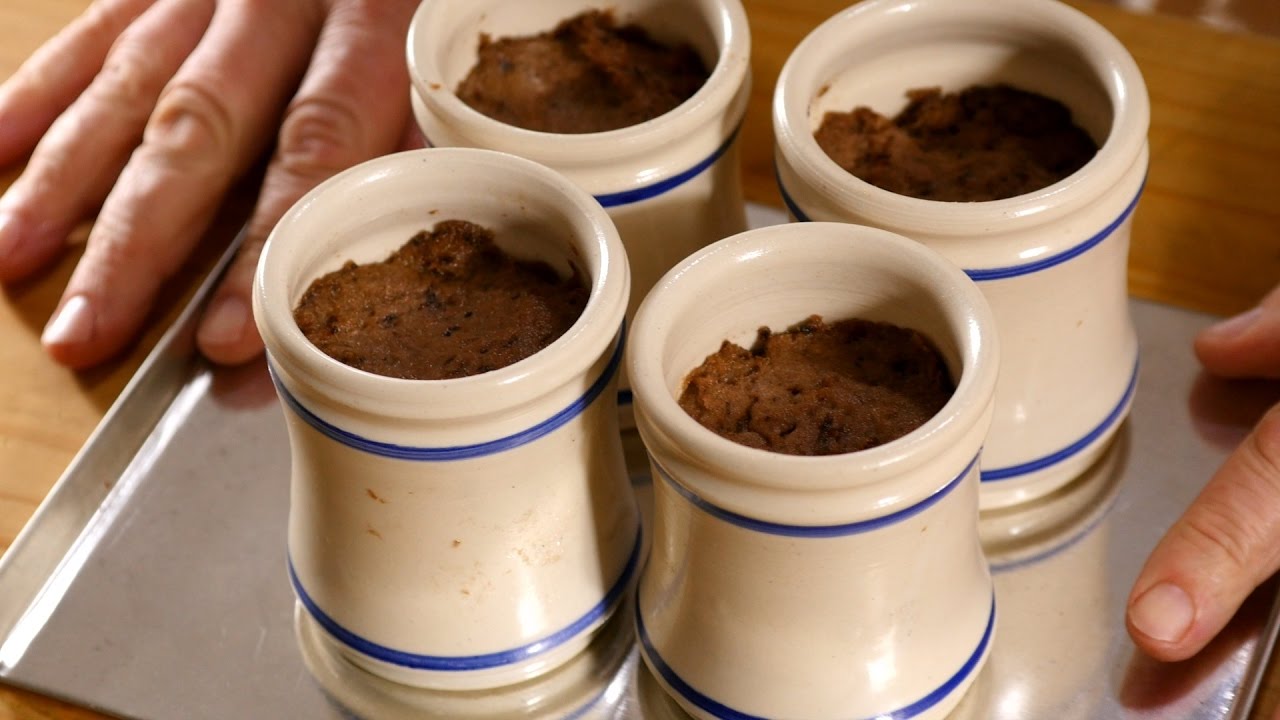
Once the paste is finished, it goes into small earthenware pots, pressed down firmly to force out any air pockets. That step matters more than it sounds — trapped air inside the meat is exactly where bacteria would take hold, and the entire point of the process is preventing that.
The real preservation happens after the pot is packed. Melted clarified butter gets poured over the top of the meat, forming a complete seal at least a quarter to half an inch thick once it cools and hardens. That butter cap is doing the same job a vacuum seal or a can lid does today — cutting the meat off from oxygen entirely.
A quarter to half an inch of hardened clarified butter was the difference between a pot of beef that lasted two months and one that spoiled in days.
Storage and Everyday Use
After the butter cooled and set, 18th-century households topped the pot with paper, parchment, or animal bladder and tied it down with twine before storing it somewhere cool. That combination — an airtight fat seal plus a secondary covering — is what let a pot of potted beef sit in a cellar for six to eight weeks without refrigeration.
When it was time to eat it, there was no cooking involved. The paste was simply scraped out of the pot and eaten cold, usually spread over bread or toast, the same way you’d handle a modern pâté or spread. It’s the same instinct that shows up in other preserved foods and drinks with centuries-old roots, like the recreation Townsends built around the world’s oldest fermented beverage — using what you have on hand, and a process passed down for generations, to stretch food far past its normal shelf life.
The Significance of the Technique
Potting wasn’t a specialty dish reserved for special occasions in this demonstration — it was a way to avoid wasting a cooked joint of beef that a family couldn’t finish in one sitting. Before canning existed in any industrial form, a butter seal and a ceramic pot were the tools available, and they worked well enough to become a routine part of 18th-century kitchen management. The same frugal, use-everything mindset shows up across other food economics stories, from why certain ingredients get expensive when supply tightens — see the breakdown on why cashew nuts are so expensive — to how households historically stretched a single cut of meat across weeks instead of days.
Townsend closes the demonstration the way the recipe intended: a spoonful of cold potted beef scraped straight onto toast, no reheating required. That’s the whole payoff of the process — two months of shelf life bought with nothing more than a mortar, a pestle, and enough clarified butter to seal the top.









This Is Where Your Wine Corks Come From
A Day In The Life Of A Urine Drinker
Bushcraft overnight – shelter building, fat wood, bacon, russian axe, repairing sweater
CLEAREST WATER EVER | Catch And Cook
Cuba’s Scariest Food!!