

 InfoSearched
Three hours of chainsaw-free carpentry, cast-iron cooking, and one very patient golden retriever.
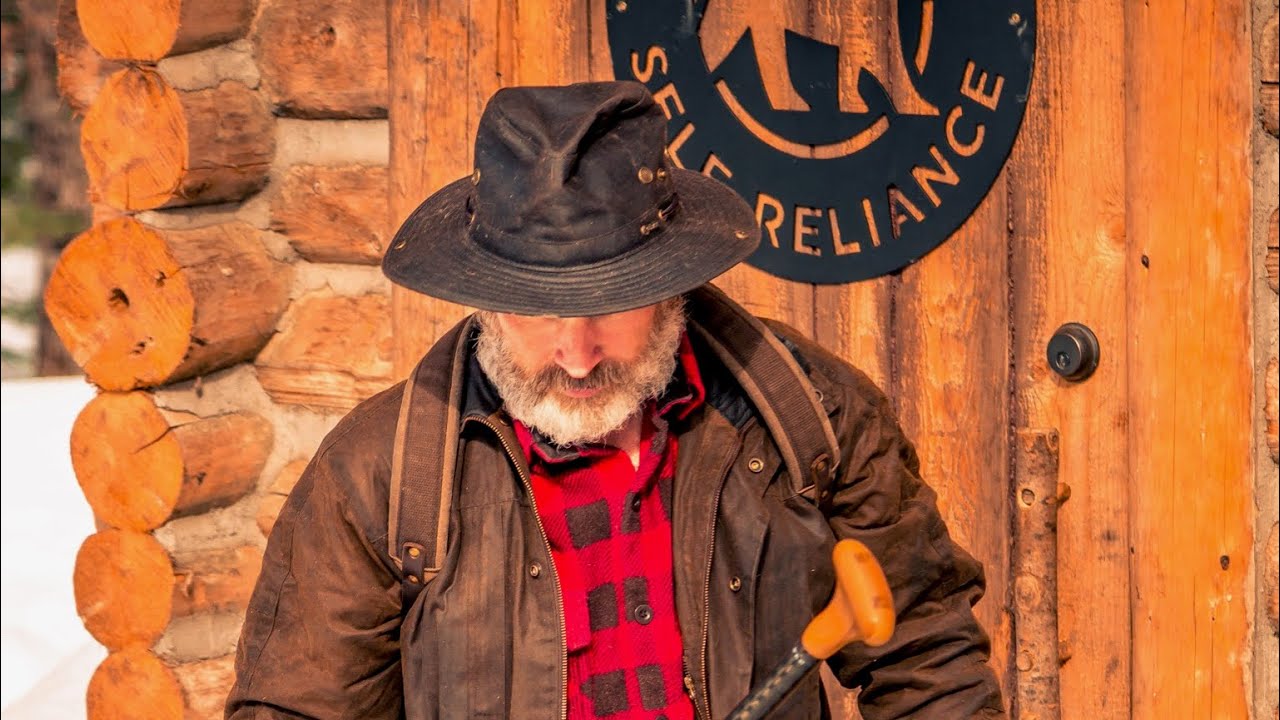
Shawn James doesn’t measure his year by the calendar. For the Ontario-based builder behind the YouTube channel My Self Reliance, spring is New Year’s Day — the marker he uses to close out another 365 days of hand-building a life in the Canadian bush. His latest release, “A Year in the Wilderness | Off Grid and Self Reliant in a Log Cabin,” runs more than three hours and compiles a full seasonal cycle at his forest homestead, with his golden retriever, Cali, at his side through nearly every frame.
- James has been building his off-grid cabin by hand since 2017, using traditional woodworking joinery and hand tools instead of heavy machinery or a conventional power grid.
- The film stitches together deep winter snowstorms, spring thaw, summer foraging, and autumn firewood prep into a single continuous year.
- James frames the project around self-sufficiency, physical health, and food security, calling the homestead a safe haven against broader instability.
A Calendar That Starts With the Thaw
Most people reset in January. James resets when the snowpack breaks. In the video’s closing reflection, he describes spring’s arrival as the true turn of his year — the point where he looks back on the homestead work of the previous 365 days and sets priorities for the next stretch. That framing runs through the whole film: seasons, not months, dictate the workload, and the workload dictates everything else.
He’s not building for an audience so much as documenting a routine that predates the camera. The cabin itself has been under construction since 2017, piece by piece, using saws, axes, and chisels rather than generators or power tools — a choice that shapes the pace of the entire project and, by extension, the pace of the footage.
Winter, Then Everything Else
The three-hour runtime moves through Ontario’s harshest stretch first: snowstorms heavy enough to bury a woodpile, followed by the slow grind of spring thaw. From there the film tracks summer foraging runs and the autumn firewood harvest that has to be finished before the next freeze locks everything down again. There’s no narrator walking viewers through a shot list — James lets the seasonal labor speak for itself, whether that’s stacking cordwood, tending a stone hearth, or reinforcing timber-frame joints ahead of another winter.
Cast-iron cooking over open fire shows up repeatedly, alongside routine off-grid maintenance — the unglamorous upkeep that never makes it into highlight reels but eats most of a homesteader’s actual time. Viewers interested in the mechanics of building shelter this way might also look at this off-grid woodworking workshop log cabin build, which covers similar hand-tool construction in the forest.
The Case for Doing It the Slow Way
Outdoor and gear outlets, including GearJunkie, singled out the production’s meditative pacing — ambient forest sound, minimal dialogue, and step-by-step demonstrations of primitive carpentry and bushcraft technique standing in for a traditional script. That’s a deliberate contrast to the fast-cut survival-show format; James lets a joint get cut, a fire get built, a snowdrift get shoveled, in something close to real time.
Spring marks the beginning of a new year for me — 365 days spent building a homestead and a safe place for the times ahead.
That patience is the point. The techniques on display — notching logs, setting stone foundations, working a timber frame without a nail gun — are the same skills documented in this Iron Age bushcraft roof build shot in soaking rain, where the tools are just as old-fashioned and the weather just as unforgiving.
Food Security as the Next Project
James is explicit about where the next year is headed: food security and personal health, paired with a handful of solo building projects meant to push the homestead closer to full self-sufficiency. He’s doing the next phase alone, applying three years of lessons learned since he first started clearing ground for the cabin in 2017. No grid, no crew — just Cali, a stack of hand tools, and another Canadian winter already on the way by the time this one wraps.






I Hung Out With Some Thieves To Learn How Not To Get Robbed
Entering the Murder Capital of the World.
How To Regrow Everything
Spice Addict interview-Andrea
Why Cashew Nuts Are So Expensive