

 InfoSearched
A 31-year-old Londoner sold his flat, bought Welsh woodland on eBay, and built a house for less than the price of a used car.
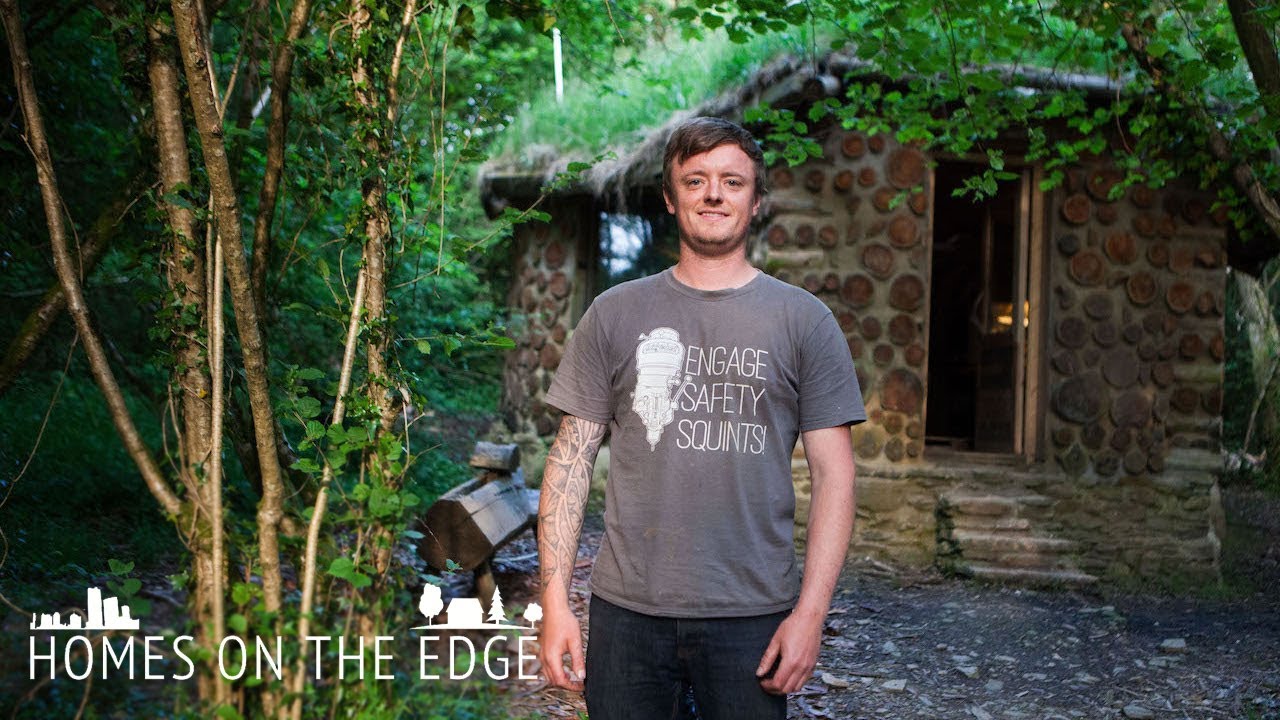
Kris Harbour had a flat, a steady paycheck, and a commute he’d grown to hate. In Barcroft Media’s Homes on the Edge episode “I Quit The City To Build My Hobbit House,” the former Londoner explains why he walked away from all three to buy a patch of Welsh woodland he’d never set foot on, sight unseen, off eBay. Eighteen months later he was living full-time in a hand-built roundhouse with no mains electricity, no mortgage, and no landlord.
- Harbour, 31, sold his London flat and quit his job to buy a plot of woodland in Wales through an eBay listing.
- He spent roughly a year and a half building a circular “hobbit house” from clay, sand, straw, and local timber, for a total build cost of about £4,000 ($5,000).
- The finished roundhouse runs on solar power, hydro-power, and rainwater collection, and Harbour documents the ongoing build on his YouTube channel, Kris Harbour Natural Building.
Trading a Mortgage for a Woodland Plot
Harbour’s reasoning starts with basic arithmetic. City housing costs and mortgage terms meant, by his own estimate, working for two-thirds of his life just to pay off a place to live — with little time left for anything else. Rather than accept that trade, he cashed out of London entirely, converting the value of his flat into a piece of land and the freedom to build on it however he liked.
Told to Barcroft Media, his complaint about the arrangement he was escaping was blunt: “The idea of working for two thirds of your life and having very little time to socialise and do hobbies, it just doesn’t sit right.”
The idea of working for two thirds of your life and having very little time to socialise and do hobbies, it just doesn’t sit right.
Building the Roundhouse by Hand
The design itself borrows from old vernacular building rather than any fantasy blueprint: a circular “cobwood” structure with a traditional reciprocal timber roof, the kind of self-supporting frame that predates modern trusses by centuries. Harbour built the walls with cob — a mix of clay, sand, and straw — packed around local timber, sourcing nearly everything from the land itself or from found and recycled materials rather than a builders’ merchant.
That approach kept the total cost down to around £4,000, a fraction of what a conventional self-build or even a modest deposit would run in the UK. The build took about a year and a half from clearing the site to moving in full-time, done largely solo and on a budget that most homeowners would call a rounding error.
Living Off the Grid
What makes the finished house more than a novelty is the infrastructure Harbour layered in behind the cob walls. Solar panels and a small hydro-power setup supply electricity, while rainwater collection covers his water needs — no mains connection, no utility bills, no meter readings. It’s the same low-impact, self-reliant model he continues to document and expand on through his YouTube channel, Kris Harbour Natural Building, where the roundhouse has become the anchor project for further natural-building work on the same plot.
Readers drawn to Harbour’s approach will find plenty of overlap with other self-built, off-grid projects covered here, including the self-built and off-grid floating home that runs on a similarly stripped-down setup, and the off-grid log cabin workshop built in the forest by another owner-builder working almost entirely by hand.
Harbour’s roundhouse isn’t a finished museum piece — it’s a working base for whatever natural-building project he tackles next on the same plot, documented one video at a time for anyone still doing the math on rent versus £4,000 and a wheelbarrow.






Foo Fighters Meets 70’s Bobby Caldwell – Live Looping Mashup by Elise Trouw
5 Survival Shelters Everyone Should Know
The Craziest Dictator You’ve Never Heard of | Jean-Bédel Bokassa
A Day in the Life of a Minimalist
Amazing Indoor-Outdoor Architecture Near Venice Beach