

 InfoSearched
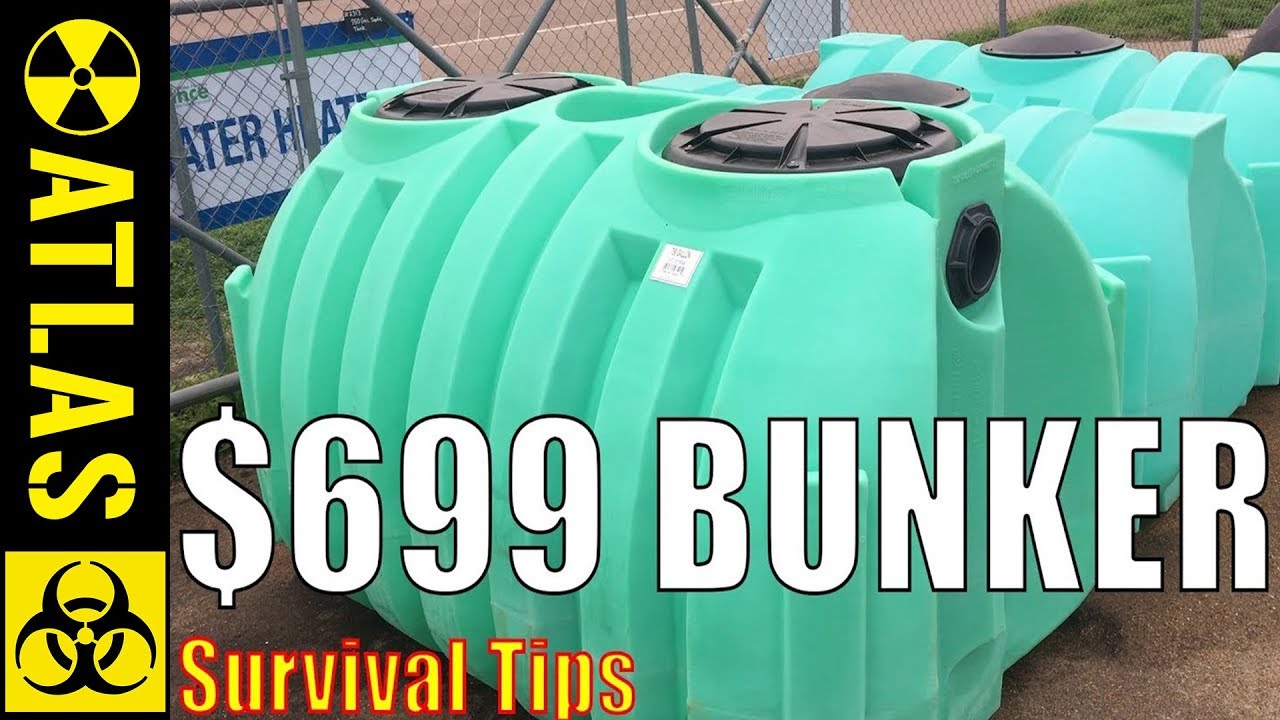
A $699 bunker build that skips the six-figure price tag entirely.
Ron Hubbard has spent years selling galvanized steel and concrete bunkers that run into the tens or hundreds of thousands of dollars through his company, Atlas Survival Shelters. In this video, he flips the script, kicking off a do-it-yourself series aimed at preppers who don’t have that kind of budget. His pitch: a watertight underground food cache, buried and sealed properly, can be built for around $699.
- Ron Hubbard, founder of Atlas Survival Shelters, launches a DIY instructional series with a $699 underground food cache build.
- The method relies on a budget container — a sealed pipe segment, drum, or tank — rather than a full poured-concrete shelter.
- Site selection, watertight seals at access points, and moisture protection are the core technical steps Hubbard walks through.
Hubbard Shifts to Small-Scale Strategy
Atlas Survival Shelters built its name on large-scale underground bunkers meant to house entire families with bedrooms, bathrooms, and blast doors. Those projects are expensive and out of reach for most casual preppers. This video reframes the problem: you don’t need a bunker to hide from a crisis, you need somewhere dry and hidden to stash food, water, and gear. That’s the entire premise behind the $699 figure — it’s a cache, not a shelter, and Hubbard treats it as the entry point into his broader DIY series.
Picking the Right Container and Site
The build starts with acquiring an affordable, secure container — Hubbard points to options like a pipe segment, drum, or tank system rather than custom fabrication. The bigger decision, he stresses, is where it goes. A well-drained site away from a high water table is non-negotiable; bury a cache in the wrong spot and groundwater will find its way in no matter how well the container is sealed. That single choice determines whether the rest of the build even matters.
Choose a well-drained site away from a high water table — get that wrong and nothing else about the build saves you.
Sealing It Watertight
Hubbard’s instructions center on the entry points — the seams where an access hatch or lid meets the container body are the most common failure spots for moisture intrusion. He covers securing watertight seals there specifically, then layering exterior protection against the surrounding soil moisture over time. The goal is a cache that stays dry for years underground, not just through one rainy season, which is why he treats sealing as a distinct step from simply burying the container.
Excavation and Long-Term Concealment
The final piece is digging and covering the cache so it stays hidden and stable. Hubbard addresses how excavation depth and backfill affect both concealment and the container’s durability over years underground — a shallow, sloppy dig undermines the whole point of a discreet cache. For preppers who’ve already looked at bushcraft shelter builds or bug-out gear, this video reads as the next logical step: not a tent or a temporary hide, but a buried, sealed cache meant to outlast a single trip.
Hubbard frames this as the first entry in an ongoing series, and the $699 number is clearly meant to be the low end — a way to get preppers building something concrete instead of just buying pre-made bags. Whether Atlas Survival Shelters follows this up with a step-up option between a $699 cache and a full six-figure bunker is the obvious next question the series leaves open.





Soldiers Encounter Mysterious Monsters in Vietnam War
First Impressions of ANTARCTICA! (our 7th continent)
Flat Earthers vs Scientists: Can We Trust Science?
People Share Their Secret Anonymously (episode 5)
Plant this once and have FOOD for 30 YEARS!