

 InfoSearched
ISIS lost its caliphate years ago, but the fight against it never actually stopped.
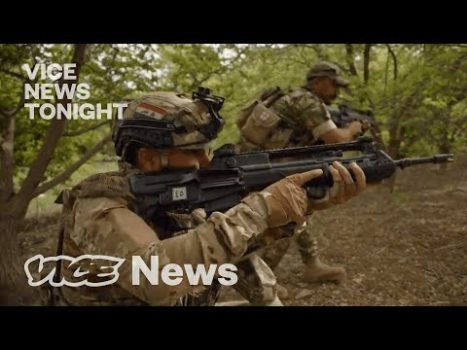
In June 2021, VICE News released a field report titled “Inside the US-Led Coalition’s Fight Against ISIS,” embedding correspondents with Iraqi security forces as they hunted down what’s left of the group’s network. The piece, produced for VICE News Tonight and paired with a companion “Field Notes” segment, follows ground units clearing caves, desert hideouts and sleeper cells years after the physical caliphate collapsed. It also puts American commanders on camera to explain what the U.S. mission in Iraq actually looks like now that the frontline war is over.
- ISIS’s territorial “caliphate” collapsed in Iraq in 2017 and in Syria in 2019, but surviving fighters shifted to hit-and-run ambushes, bombings and hideouts in caves and mountain valleys.
- VICE News embedded directly with Iraqi ground units as they cleared underground hideouts and desert networks used by remnant ISIS cells.
- American commanders leading Combined Joint Task Force – Operation Inherent Resolve (CJTF-OIR) describe a shift from frontline combat to an “advise, assist and enable” role built around aerial intelligence, logistics, surveillance and commando training.
Chasing an Enemy That No Longer Holds Ground
The ISIS that VICE News documents in this report is not the group that once held Mosul and Raqqa. It’s a scattered insurgency operating out of caves, wadis and rural pockets of Iraq’s desert terrain, relying on ambush tactics and improvised bombs rather than holding territory. That tactical retreat forced Iraqi security forces into a slower, grinding counter-insurgency campaign — clearing tunnels and hideouts one at a time instead of retaking cities block by block.
The report’s ground footage follows Iraqi units as they move through rugged rural terrain tracking down sleeper cells, the kind of operation that rarely makes headlines but has become the daily reality of the anti-ISIS campaign since the caliphate fell. Viewers looking for context on how elite units approach exactly this kind of terrain work can find a related breakdown in Why You Never Mess With Elite Special Forces.
The Coalition’s New Job Description
Interviews with commanders from CJTF-OIR — the formal name for the U.S.-led coalition structure behind Operation Inherent Resolve — lay out how the mission has changed. Coalition forces have largely moved off the frontline and into what officials describe as an “advise, assist and enable” posture: flying aerial reconnaissance, running logistics, feeding intelligence to Iraqi units, and training specialized commando teams rather than leading assaults themselves.
Iraqi forces are the ones going through the tunnels and the caves now — the coalition’s job is to make sure they have the eyes in the sky and the training to do it without us.
That framing runs through the whole report: American and coalition personnel are still in Iraq, but their footprint is smaller, more advisory, and increasingly dependent on Iraqi forces reaching operational independence.
The Political Pressure Behind the Withdrawal Talk
The commanders interviewed also address a complication that has nothing to do with battlefield tactics — domestic Iraqi politics. Local political pressure has been building for years to reduce or end the foreign troop presence entirely, forcing coalition leadership to plan for scenarios where the advisory mission shrinks further while the ISIS threat is still active underground. That tension — how to draw down without opening space for a resurgence — sits at the center of the report’s interviews with U.S. officials.
It’s the same balancing act that’s defined much of the broader regional posture around Iraq’s security since the caliphate’s fall, and it echoes themes covered in Inside the US-Iran Shadow War for Control of the Middle East, where competing outside pressures shape what Iraqi forces are actually able to do on their own.
Measuring Progress in Caves, Not Cities
Unlike the 2017 fight for Mosul, there’s no single city or symbolic victory to point to in this phase. Progress gets measured in cleared hideouts, disrupted cells and the degree to which Iraqi units can run these operations without coalition support. The report doesn’t dress that up — it shows the slow, unglamorous work of a counter-insurgency campaign that has no clear finish line, just a steady effort to keep ISIS from rebuilding the kind of territorial base it held before 2017.
What the report leaves you with is a coalition trying to hand off a war it hasn’t fully won — training Iraqi commandos to run these cave-and-tunnel clearing operations on their own while the political clock in Baghdad keeps ticking toward a smaller American footprint.







The Richest Person In Dubai
The Lost Ancient Humans of Antarctica
Why Do Hyenas Laugh?
The Surprising Truth About Drugs At Psychedelic Festivals | Shambhala
“They Can’t Hide It Anymore” (unseen footage)