

 InfoSearched
One vine, planted once, can feed a homestead for three decades.
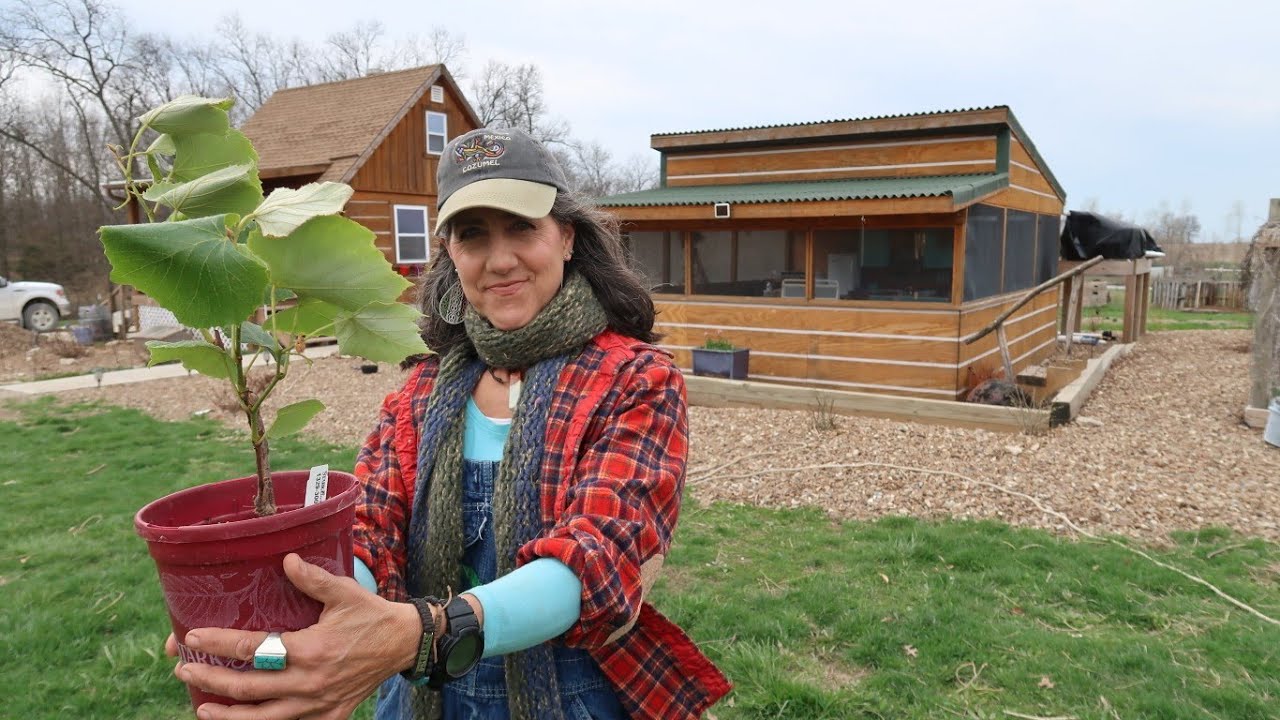
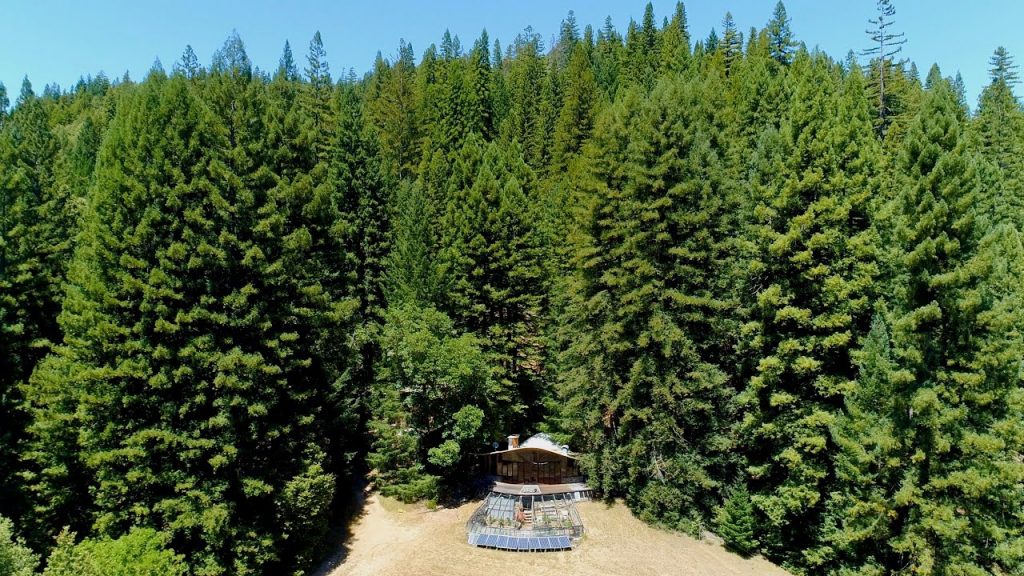
Doug, half of the off-grid duo behind the channel OFF GRID with DOUG & STACY, spends most of his videos teaching viewers how to grow, harvest, and preserve food without relying on a grocery store. In “Plant this once and have FOOD for 30 YEARS!” he turns his attention to the grapevine, arguing it’s one of the most overlooked perennial crops a homesteader can put in the ground. Doug and Stacy live in an 1800s-style log cabin with no municipal power or water hookups, and the bulk of what lands on their table comes from crops they’ve established on their own land.
- Doug says a single, properly established grapevine can keep producing food for 30 years or more, with far less ongoing labor than annual vegetables demand.
- He breaks down the plant’s full range of uses: fresh grapes, juice, raisins, wine, and even the tender leaves, which are commonly harvested for stuffed grape leaves, or dolmas.
- The tutorial covers planting bare-root and potted vines, and stresses full sun, good airflow, a trellis for support, and annual pruning to control vigor and keep yields high.
Grapes Are Essential Homestead Assets
Doug’s pitch is essentially a labor calculation. An annual vegetable bed has to be tilled, seeded, and tended every single spring, while a grapevine, once its root system is established, keeps sending up fruiting canes year after year with a fraction of the effort. That kind of return is exactly the logic Doug and Stacy apply across their homestead, where the goal is always to stack perennial, low-input systems on top of one another rather than start from scratch each season.
It’s the same philosophy behind permaculture design more broadly — plant something once, let its root system and structure do the heavy lifting, and redirect saved labor toward the next project. Homesteaders working on small footprints, like the setup detailed in Living a Radically Simple Permaculture Life on 1/4 Acre, lean on the exact same math when deciding what earns a permanent spot in the yard.
More Than Just Fruit
Doug spends real time on the point that a grapevine isn’t a one-trick plant. Beyond the grapes themselves, he walks through juice, raisins, and wine as direct products of the harvest, and then flags something a lot of backyard growers skip entirely: the leaves. Young, tender grape leaves are edible and widely used for stuffed grape leaves, or dolmas, giving the plant a second harvest window before the fruit even ripens.
A single established grapevine can reliably produce food for 30 years or more with minimal ongoing effort compared to annual vegetables.
That dual-purpose yield is the same reasoning homesteaders apply to other perennial berry crops, whether it’s picking varieties suited to a container setup like the one covered in How to Grow Raspberries, Blueberries, and Blackberries in Containers, or converting unused turf into productive beds as shown in How To Turn Your Lawn Into A Vegetable Garden.
Getting the Vine Established
The practical part of Doug’s tutorial covers what actually goes into planting a vine correctly, since a mistake at this stage costs a grower years, not a season. He walks through the difference between starting with bare-root stock versus a potted vine, then hits the non-negotiables: full sunlight, enough airflow around the canopy to keep disease pressure down, and a trellis system strong enough to support the vine as it matures.
Pruning gets equal billing. Doug is clear that skipping annual pruning is the fastest way to turn a productive vine into an overgrown, low-yielding one — the plant needs its vigor managed every year to keep channeling energy into fruit rather than excess wood.
A Fit for the Off-Grid Model
None of this is presented in isolation from how Doug and Stacy actually live. Their food system is built around exactly these kinds of low-maintenance, high-return plantings, the same instinct that shows up when they’re stacking firewood, building structures by hand, or setting up other permanent food sources on the property, not unlike the long-term thinking behind projects such as Building an Off Grid Woodworking Workshop Log Cabin in the Forest.
Doug’s closing advice is simple: get the trellis and sun exposure right at planting time, and the pruning shears become the only real tool the vine needs from then on. Thirty years is the number he throws out, but the real sell is what happens in year two and three, when the vine starts handing back grapes, leaves, and eventually a batch of homemade wine for one afternoon of pruning a year.





Back Country House | Ltd Architectural Design Studio
In Residence: Jim Olson – inside the architect’s treetop house
Caterpillars Feeding on Exploding Touch-Me-Not Seed Pods
I Built a HOME In 48 Minutes!
16 Camping Pranks And Life Hacks