

 InfoSearched
A ray most anglers toss back on the dock becomes dinner for a Northern California sushi chef.
Taku Kondo, the sushi chef behind the YouTube channel Outdoor Chef Life, built his following on a simple premise: whatever comes up on the line, cook it right and it’s probably better than you think. In August 2019 he pointed that philosophy at one of the most maligned catches on the California coast — the bat ray — in a video titled “Catch and Cook BATRAY! Delicious Recipe!!” The episode is part cleaning tutorial, part rebuttal to decades of anglers calling the species a nuisance.
- Taku targets Myliobatis californica, the bat ray, a species abundant along the California coast and typically caught on standard rod-and-reel gear.
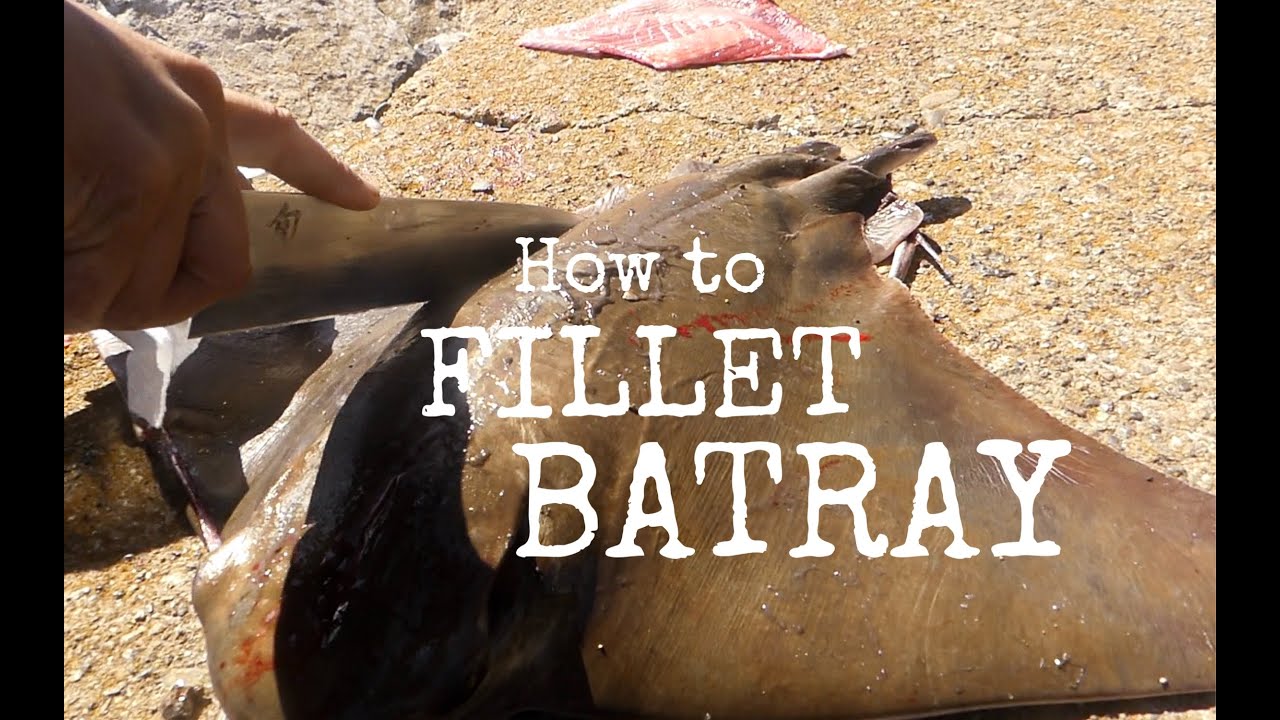
- He cleans the ray by cutting away only the pectoral fins — the “wings” — and discarding the rest of the body and cartilage, working fast to keep urea from building up in the meat.
- Back in the kitchen, he applies traditional Japanese technique, pan-searing the wing meat and seasoning it to argue the ray’s firm, fibrous texture rivals scallop or skate.
The “Trash Fish” Reputation
Bat rays are a common, sometimes frustrating catch for surf anglers up and down the California coastline. They’re not targeted so much as encountered — a ray takes the bait meant for halibut or striped bass, gets reeled in, and gets tossed back or left to die on the sand because nobody wants to deal with it. Taku’s video opens by naming that stigma directly: the bat ray is written off as a “trash fish,” a label he sets out to dismantle by the end of the episode.
That framing puts the video in the same lane as other catch-and-cook content built around species anglers overlook, the kind of programming that’s carried channels like Bare-handed shark fishing and other rod-to-table series into steady audiences of their own.
Cleaning the Wings Fast
The butchering process Taku demonstrates is specific to the ray’s anatomy. Only the pectoral fins — the “wings” that give the animal its wing-like silhouette in the water — hold usable meat. Everything else, including the body and cartilage, gets discarded on the spot.
Speed matters here in a way it doesn’t with most finfish. Bat rays are elasmobranchs, the same broad group as sharks and skates, and that lineage means their tissue carries urea that breaks down into ammonia if the fish sits too long before cleaning. Taku works through the wings quickly at the water’s edge rather than waiting until he’s back in the kitchen, treating rapid handling as the difference between a clean-tasting fillet and one that smells like a chemistry problem.
Turning Skate-Texture Meat Into a Plate
Once the wings are cleaned, Taku shifts into the role he actually trained for. He applies traditional Japanese preparation to the meat, pan-searing it and building the seasoning around the ray’s natural texture rather than fighting it. The comparison he leans on is to scallop or skate — firm, fibrous, with a bite that holds up to high heat instead of flaking apart.
Most anglers leave it on the dock. Taku put it in the pan instead.
It’s the same instinct that runs through his channel’s other episodes and through the broader wave of catch-and-cook content pairing outdoor cooking with unconventional ingredients, in the spirit of series like Catch and Cook from ISOLATION – Uninhabited Island Paradise! Sailing Vessel Delos Ep. 272.
Factors Behind Persistent Species Bycatch
Part of what makes the bat ray such a recurring character in these videos is sheer availability. The species is common in shallow California waters, which means anglers fishing for other targets run into it constantly — and each encounter becomes another opportunity for someone to either release it, waste it, or, in Taku’s case, film exactly why it doesn’t deserve the trash-fish label in the first place.







Make Soda Bottle String (Cool Survival Hack) | How To Make Rope From Plastic Bottle
Scottish Rasta Wanny’s Yard Tour! Mokko’s Neighbour in Jamaica
Brides by Force. Marriage by kidnapping pushes Kyrgyz women to suicide
How a Woman Survived Falling 33,000 Feet Without a Parachute
Happier than Billionaires in Costa Rica | EX-PATS™ Ep. 12 Full | Reserve Channel