

 InfoSearched
One woman, one collapsed Utah railroad town, and no neighbors for thirty miles in any direction.
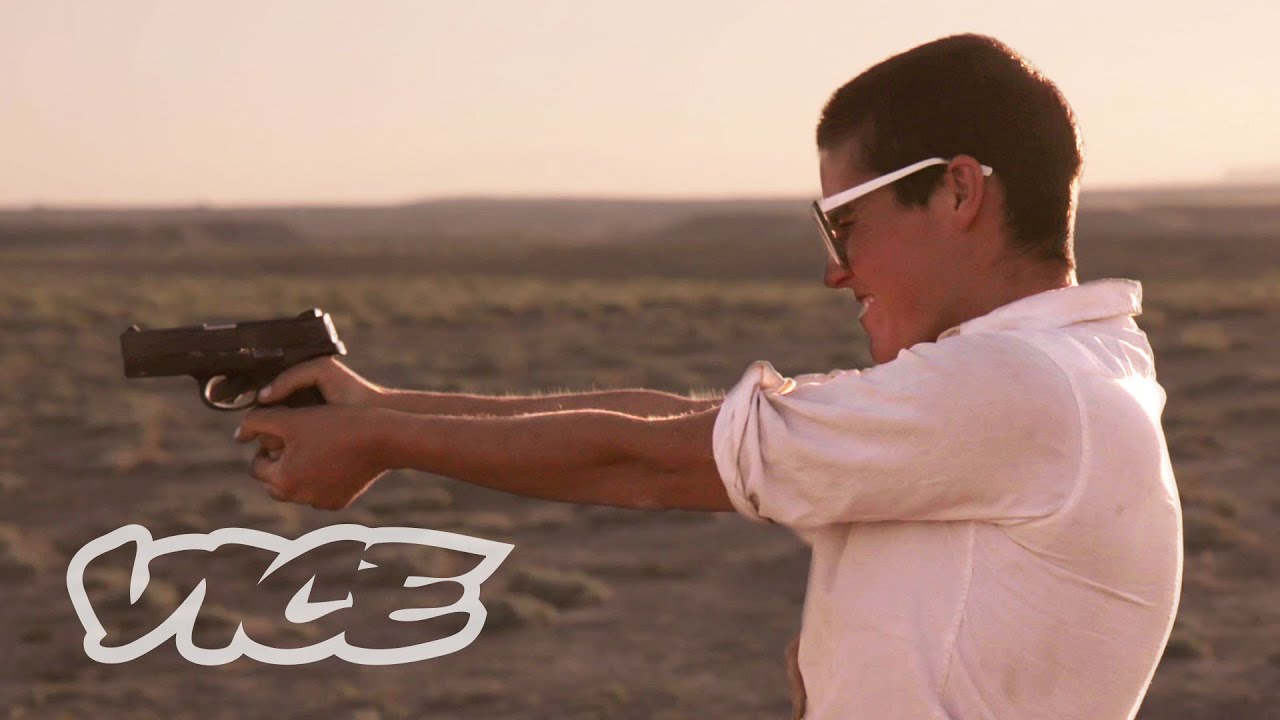
The VICE short “Population of One: Living Alone in an Abandoned Ghost Town” follows Eileen Muza, a Wisconsin native and former Chicago Park District employee who bought property in Cisco, Utah, in 2015 and became the settlement’s only full-time resident. She had never swung a hammer for a living before moving there. What she found was a dead railroad town full of scrap metal, derelict trailers, and one intact 1923 log cabin — and she decided to rebuild all of it herself.
- Muza purchased property in Cisco, Grand County, Utah — an 1880s railroad water-stop and livestock hub roughly 30 miles from the Colorado border — after a trip to nearby Canyonlands National Park, and moved in as its sole full-time resident in 2015.
- With no prior carpentry or construction background, she called the relocation an “immersion school,” salvaging scrap metal, derelict vehicles, and abandoned infrastructure to stabilize the town’s remaining structures.
- She officially opened “Home of the Brave,” an artist-in-residence program built inside the restored buildings and salvaged trailers, in 2019.
A Railroad Town That Interstate 70 Left Behind
Cisco was built in the 1880s as a water-refilling stop for steam locomotives and a shipping point for regional livestock — the kind of function that mattered enormously right up until it didn’t. Once Interstate 70 was routed around it, the town lost its reason to exist, and residents drifted out over the following decades until Cisco sat empty, its buildings left to the wind and the scrap heaps. By the time Muza saw it, there was no functioning water system, no power grid, and no other households — just a skeleton of a town wedged into the desert between the interstate and the Colorado River corridor.
Learning to Rebuild by Living There
Muza arrived with no trade background and figured out plumbing, framing, and salvage work as she went, treating the daily grind of hauling in water and running outhouses as tuition rather than hardship. She has described the process bluntly as her own trade school with no instructor.
It became my immersion school.
That mindset shows up in the details: she stripped and preserved the town’s original 1923 log cabin board by board, restored the historic post office building, and turned vintage trailers and a Winnebago into functioning living and studio quarters. Nothing came from a hardware store delivery — it came out of what was already lying in the dirt around her.
Turning Scrap Into Infrastructure
The improvisation extends past the buildings themselves. Muza built fencing out of old mattress box springs, made signage from the roofs of junked cars, and assembled an outdoor movie theater in the middle of a literal junkyard. It’s the same instinct that runs through other self-built, off-grid projects — the kind of resourcefulness on display in We Built Our Dream Home, FROM A KIT! or the improvised structure in Solo Overnight Building a Sandbag Shelter In the Woods, except Muza’s version isn’t a weekend build — it’s a town she has to keep alive year-round with hauled-in water and no backup if something breaks.
Home of the Brave Opens Its Doors
All of it was in service of one goal from the start: an artist-in-residence program she calls Home of the Brave, designed to give visiting creators desert solitude, creative freedom, and a genuinely off-grid setting to work in. In 2019, after years of restoration work, Muza opened the program and began hosting artists inside the rebuilt cabin, the converted trailers, and the salvaged spaces she’d spent years assembling.
That 2019 opening is the milestone the whole documentary is building toward — a population-of-one railroad town that spent decades as scrap finally having a second, working use, one artist residency at a time.





How To Turn Your Lawn Into A Vegetable Garden
GoPro Awards: Million Dollar Challenge Highlight in 4K
A day in the life of a full time traveling family / THAILAND VLOG
A Strange Ring in the World’s Oldest Lake
A Day in the Life of a Minimalist