

 InfoSearched
A bush pilot built his family’s dream house next to his own runway — using a kit.
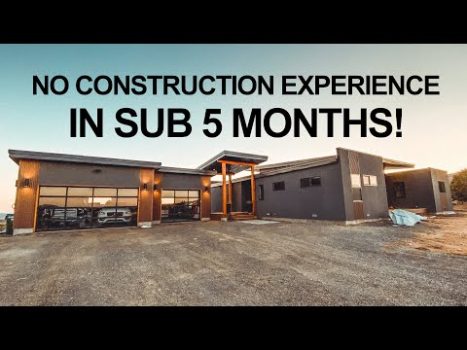
Trent Palmer has spent years building an audience on YouTube by strapping a camera to his STOL bush plane and dropping it onto sandbars, ridgelines, and backcountry strips most pilots wouldn’t touch. In “We Built Our Dream Home, FROM A KIT!” he and his wife Hailey Palmer trade the cockpit for the construction site, walking viewers through the finished three-bedroom house they built on their own airstrip property. Neither of them had done a home build like this before, and the video doubles as both a house tour and a full financial accounting of what it actually took.
- The base kit ran roughly $185,000, covering structural components and most interior finishes — but not site prep, the concrete foundation, utilities, or specialized labor.
- The finished home is a modern three-bedroom design with an open-concept great room and large windows aimed straight at the property’s private runway.
- The video is part of Palmer’s multi-part “Airstrip Home Build” series documenting the entire process from assembly through move-in.
Advantages of Kit Over Custom
For most homeowners, “building from scratch” means hiring an architect, drawing up custom plans, and framing a house board by board on site. Trent and Hailey Palmer went a different route, buying a prefabricated kit engineered to go up faster than a stick-built house while still giving them room to customize the layout. Trent frames the decision in the video as less about novelty and more about logistics — building on a rural airstrip property comes with its own headaches, and a kit home cut down on the amount of on-site framing labor they had to coordinate.
It’s a similar cost-versus-convenience calculation homeowners make with other alternative build methods, whether that’s a shipping-container house or the kind of metal-building kit covered in this look at metal house costs and tradeoffs. The appeal is the same across all of them: a manufacturer pre-engineers the hard parts, and the buyer assembles rather than designs from zero.
Breakdown of Total Project Costs
The Palmers are specific about the number because kit-home marketing tends to blur it. That $185,000 base price got them the structural shell and the bulk of the interior finish package — but it did not include the concrete foundation, site utilities, or the specialized trade labor needed to actually erect the kit. Those costs are the ones that catch first-time kit buyers off guard, and Trent walks through them in the video as the real, unglamorous math behind the “dream home” headline.
The kit price got them the house — it didn’t get them the ground it sits on.
That distinction matters for anyone comparing this build to other DIY home projects on a budget, including simpler foundation work like the kind detailed in this guide to pouring a concrete curb for a fence — the site work is consistently the line item that doesn’t show up in the sticker price.
Designing Around the Runway
The finished house isn’t a generic kit layout dropped onto a lot. Trent and Hailey oriented the open-concept great room and its large windows to frame views of both their property and the private airstrip that defines their lifestyle — the same strip Trent uses for the STOL flying and drone footage that built his channel. The house tour segment of the video spends as much time on that sightline as it does on the kitchen or bedrooms, because for the Palmers the airfield view was the whole point of building custom in the first place.
It’s the kind of aviation-first property decision that will feel familiar to anyone who’s followed Palmer’s flying content, including footage like his 240-mile STOL flight in 22 minutes — the house is essentially built to service the same obsession that drives the flying videos.
The Tradeoffs of Assembling a Kit
Kit construction saved the Palmers from designing a house from a blank sheet of paper, but it didn’t remove the need for skilled labor. Assembly still required specialized crews for the parts the kit didn’t cover, and the video lays out the sequencing headaches that come with coordinating a foundation pour, utility hookups, and a factory-built shell arriving on a schedule that isn’t always in the homeowner’s control. Trent is candid that the kit route streamlined a lot of decisions but didn’t make the build turnkey.
The payoff, based on the finished walkthrough, was a house that matches the couple’s specific brief — modern, open, and built to put their private runway in the window — without the open-ended timeline of a fully custom architectural build. The next installment of Palmer’s “Airstrip Home Build” series is where he says he’ll get into the hangar he’s planning to put up next to it, which for a bush pilot might be the more important structure on the property anyway.







Dan Bilzerian’s NEW HOUSE
Ancient stone housebarn becomes couple’s tranquil home-office
I Climbed The Tallest Chimney In Europe (360M)
how to put together an outfit 101
Former Jewel Thief Reviews GTA V Jewel Heist