

 InfoSearched
A hundred years of hemlines, corsets, and quiet rebellion gets crammed into one rapid-fire minute.
Glamour dropped “100 Years of Controversial Fashion” on June 20, 2019, the latest entry in its “Evolution” video franchise, which has spent years compressing decades of style, beauty, and culture into quick-cut visual timelines. This installment skips the usual celebrity-makeup or hairstyle format and goes straight at clothing itself — the garments that got women stared at, scolded, or banned from certain rooms. It’s less a history lecture than a costume-change reel set to a shifting soundtrack.
- The video walks through the hobble skirts of the 1910s, cut so narrow at the ankle they severely restricted a woman’s stride and, by some accounts, her ability to climb into a streetcar unassisted.
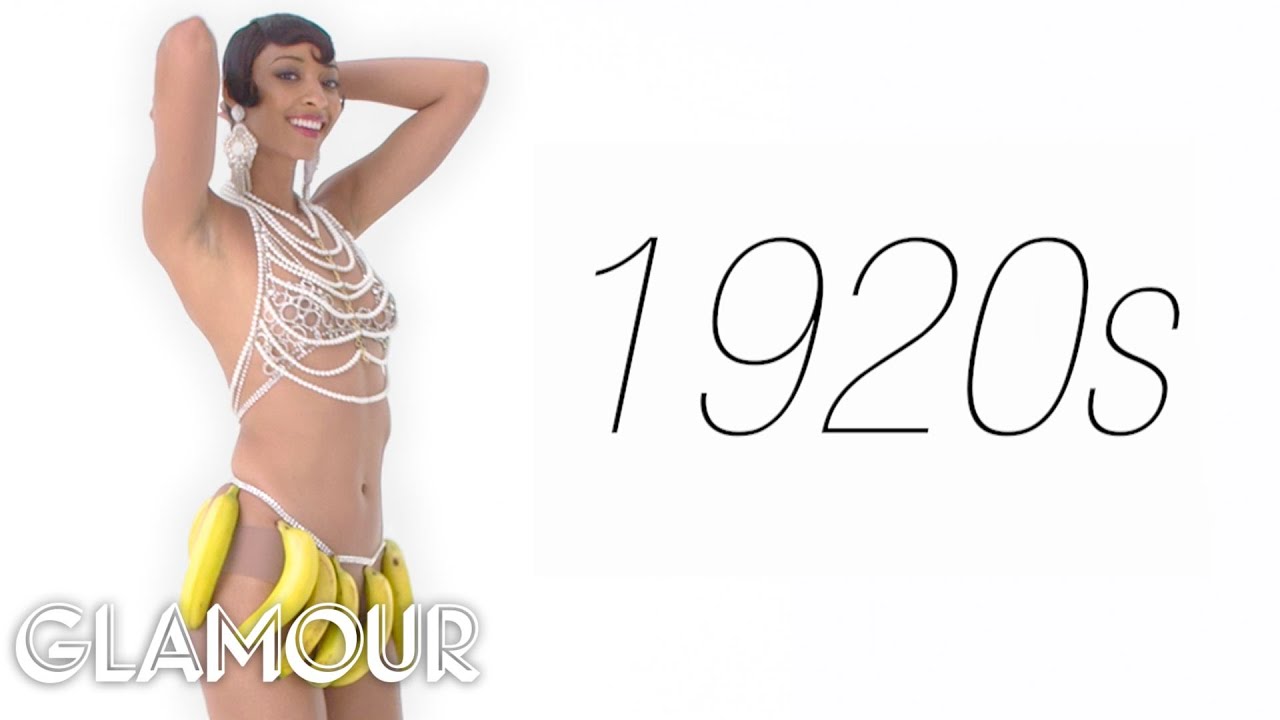
- It spotlights Josephine Baker’s 1920s banana skirt from her Paris stage performances, still one of the most reproduced images in early 20th-century fashion history.
- The production also moves through the cone-shaped “bullet bras” of the 1950s and the youthquake-driven miniskirts of the 1960s, with the score shifting from swing and percussive jazz to chillout, disco, rock, pop, and punk as each decade turns over.
The “Evolution” Format
Glamour built the “Evolution” series on a simple trick: take one category — makeup, hair, swimwear, now controversial fashion — and show it changing in real time on camera, decade by decade, without narration doing all the heavy lifting. “100 Years of Controversial Fashion” follows that same rhythm, letting the styling and the music carry the argument that clothing has never been neutral. Each cut functions as its own mini-argument about what a given era considered acceptable to put on a woman’s body in public.
From the Hobble Skirt to the Banana Skirt
The 1910s section leans on the hobble skirt, a design so tight through the calf that department stores reportedly sold “hobble garters” just so women wearing them wouldn’t rip the fabric mid-stride. A decade later, the video jumps to Josephine Baker’s banana skirt, the costume she wore during her Paris performances that turned her into an overnight sensation and a lightning rod — celebrated by some as liberation, condemned by others as scandal, depending on which side of the Atlantic was watching.
A skirt tight enough to earn the name “hobble” didn’t leave much room for walking — let alone catching a streetcar.
Bullet Bras and the Youthquake Miniskirt
By the 1950s, the silhouette in the video turns architectural: the cone-shaped bullet bra, a shape that dominated pinup imagery and mainstream lingerie ads alike. Then the frame speeds into the 1960s, where the youthquake movement pushes hemlines up and the miniskirt becomes shorthand for generational revolt — a garment that drew think-pieces and school dress-code battles in roughly equal measure. That same tension between hemline and headline is the throughline the video is chasing across all ten decades it covers.
The Soundtrack Doing Half the Work
Part of what makes the piece move is the score change underneath each costume shift — swing giving way to percussive jazz, then chillout, disco, rock, pop, and eventually punk as the decades roll forward. It’s a device Glamour has leaned on before in style breakdowns like 70’s Fashion Trends We’re Still Wearing in 2021, where music cues do as much storytelling as the clothes themselves. Readers chasing the throughline into more recent decades can also see how those older silhouettes echo in pieces like Wearable Fashion Trends 2021 for Women Over 40, which picks up almost exactly where the miniskirt-era rebellion left off.








Meet Bruce Lee, king of Romania’s tunnel underworld
Cutting up a Lamborghini Aventador, Serious All Black Cullinan, AMG GTS Wheels
Woodturning – Hawthorn Root Lamp
Idaho modern oldtimer builds underground & solar $50 houses
I Attempted the Air Force Special Warfare PAST Test (without practice)