

 InfoSearched
A bottle of real champagne can run $300 before you even get to the rare stuff, and the reasons why are baked into French law.
Business Insider’s “So Expensive” series takes on champagne in the episode “Why Real Champagne Is So Expensive,” breaking down why the sparkling wine from northeastern France costs multiples of what a bottle of prosecco or cava fetches at the same store. Entry-to-mid-tier bottles typically land between $50 and $300, while prestige and rare vintage cuvées regularly sell for thousands. The gap comes down to geography, labor, and a winemaking process that ties up capital for years before a single bottle reaches a shelf.
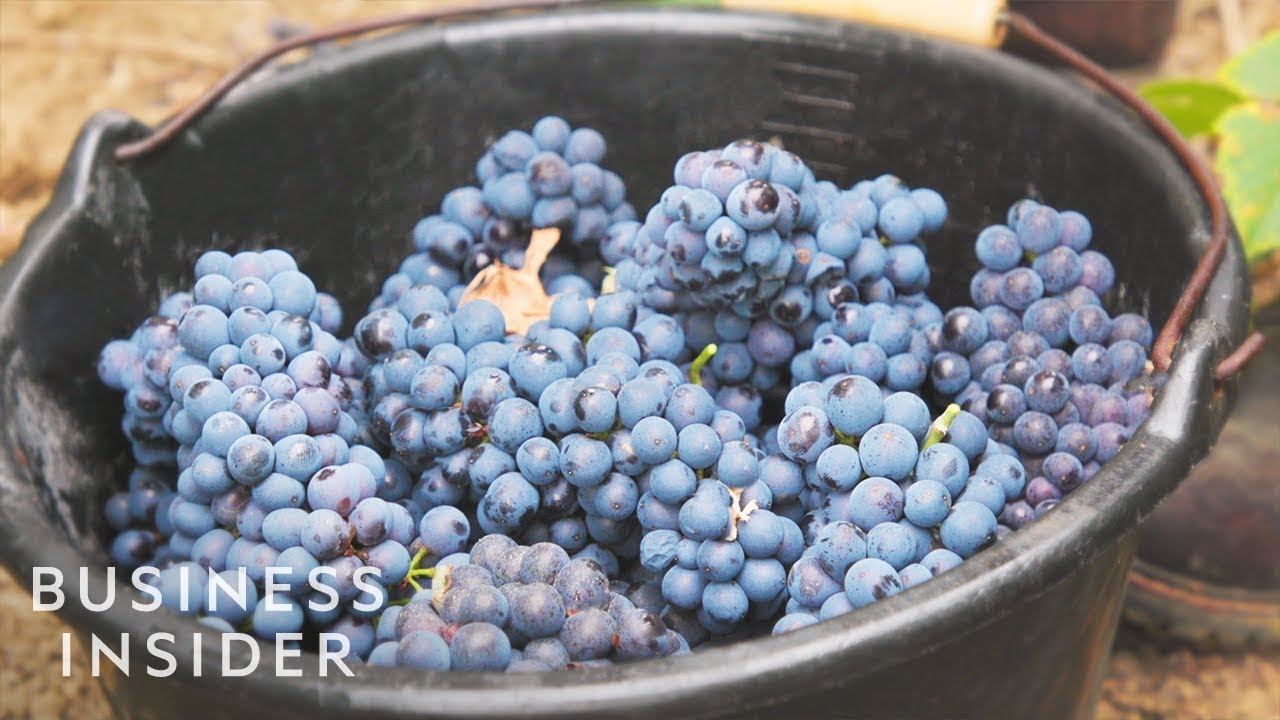
- Champagne is a Protected Designation of Origin confined to roughly 34,000 hectares in northeastern France, and grapes from that land cost €6–€7 per kilogram — among the priciest in viticulture.
- Appellation rules require every grape to be picked by hand rather than machine, drawing in around 120,000 seasonal laborers each harvest.
- The méthode champenoise mandates aging on the lees for at least 15 months for non-vintage champagne and 36 months for vintage bottles, locking up cellar space and money for years.
The Geography That Sets the Price Floor
Real champagne can only carry the name if it comes from the Champagne region — a strict PDO boundary that neighboring French vineyards can’t cross no matter how similar their soil or grapes. That legal confinement to about 34,000 hectares means land is scarce and expensive, and it pushes the price of raw grapes to €6–€7 per kilogram, a figure the video flags as among the highest anywhere in wine production. Cool weather, late spring frosts, and hail regularly threaten the harvest, so growers are absorbing real financial risk before the grapes even reach the press.
Hand-Picked, By Law
Appellation regulations forbid machine harvesting in Champagne, out of concern that mechanical picking would damage the bunches or discolor the juice. That rule alone explains why roughly 120,000 seasonal workers descend on the region every harvest to pick by hand — a logistical and payroll undertaking that sparkling wine regions using mechanized harvesting simply don’t carry. It’s a labor bill baked directly into every bottle before fermentation even starts.
The Méthode Champenoise Ties Up Capital for Years
Once the grapes are pressed, champagne goes through secondary fermentation inside the bottle itself, then riddling — remuage — to work dead yeast cells down toward the neck for removal. Appellation rules then require aging on the lees for a minimum of 15 months for non-vintage champagne and 36 months for vintage champagne, meaning a producer’s cellar space and cash are committed for years before that vintage ever generates revenue.
Grapes in Champagne run €6–€7 per kilogram — among the most expensive in all of viticulture — before a single bottle has even started fermenting.
Bottles Built to Survive Their Own Pressure
Champagne bottles are noticeably heavier than standard wine bottles because they have to be — the internal pressure from that in-bottle fermentation can reach up to 6 atmospheres, so the glass has to be engineered thick enough not to fail. Add in the marketing budgets of the historic houses and luxury conglomerates that dominate the category, plus international excise duties layered on at export, and the final retail number stacks up fast. For a wider look at how regional restrictions and labor-intensive harvests inflate prices elsewhere in food and drink, the same dynamics show up in pieces like Why Cashew Nuts Are So Expensive and The Crazy Secrets of the Cashew.
None of that changes what’s sitting in the glass, either — for viewers curious about how other traditional beverages get made the hard way, Bringing Back The World’s Oldest Fermented Beverage covers similar ground on the production side. Next time a cork pops at 6 atmospheres of pressure, that’s 34,000 hectares of protected French vineyard, 120,000 pairs of hands, and up to three years of cellar aging talking.







How To Regrow Everything
Inside a $7.5 Million Dollar Lake Las Vegas Modern Mansion!
Japanese Kobe Beef Factory!!! MOST EXPENSIVE Meat in the World!!!
Exploring the Alien World of Brine Pools
Inside the Sinaloa Cartel’s Fentanyl Smuggling Operations