

 InfoSearched
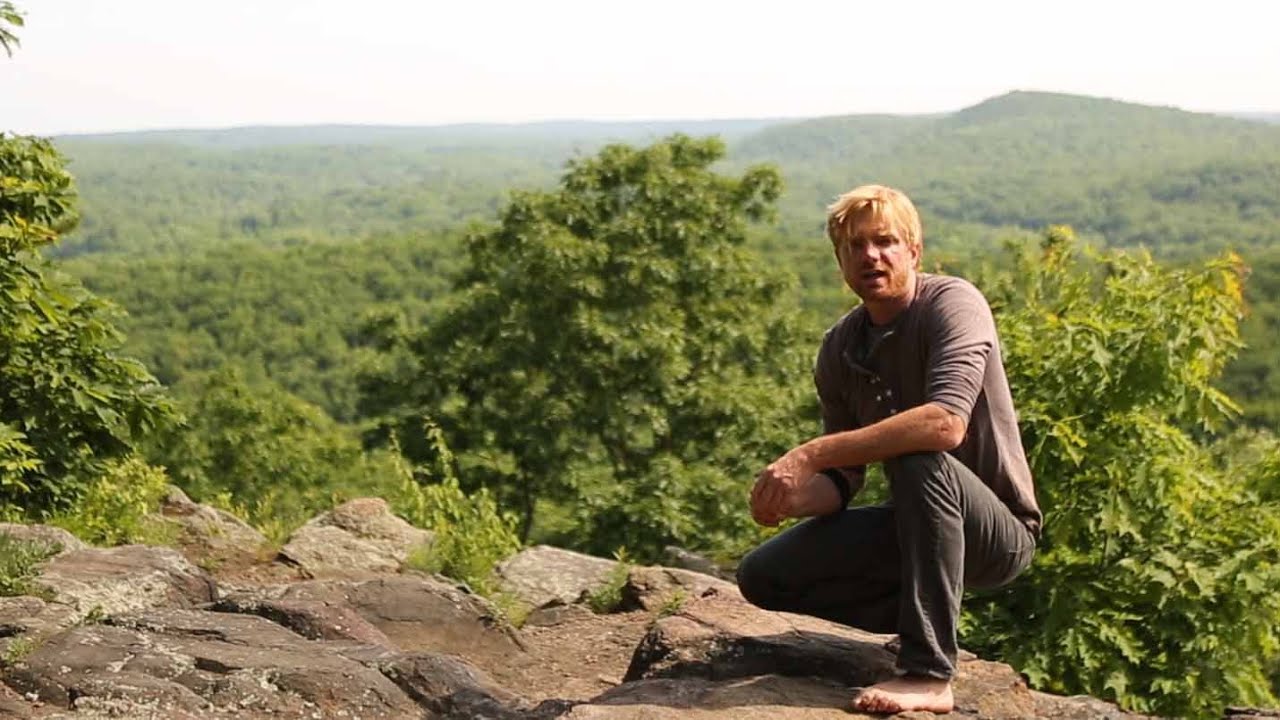
One knife, seven days, and nothing else between Tom McElroy and the Eastern Woodlands.
Tom McElroy, the primitive skills instructor behind Wild Survival, spends a full week alone in the forests of northeastern North America carrying a single blade and nothing more. There’s no pack, no cordage, no fire starter — every tool he uses over the seven days he has to build, weave, or carve himself. The video, posted to his Wild Survival channel, walks through the entire process step by step, from the first night’s shelter to the last coal-cooked meal.
- McElroy is a nationally certified Wilderness EMT with a background in anthropology and international policy on Indigenous peoples, and has spent more than 20 years teaching survival skills to over 15,000 students, including SEAL Team Six.
- The challenge covers shelter-building, friction fire, bark-container construction, water purification, natural cordage weaving, foraging, primitive fish traps, and open-coal cooking — all documented across the seven days.
- McElroy carries only a knife into the field; every other tool, container, and piece of cordage is fabricated on-site from bark, wild fiber, and other raw materials.
Building Shelter From Bark and Nothing Else
The first task in any solo stay is keeping dry and warm overnight, and McElroy leans on classic Eastern Woodlands technique rather than modern materials. He strips bark in large sheets to shingle a lean-to frame, banking it against a standing tree or a natural rock face so the structure can shed wind and rain. He also builds an elevated sleeping platform off the forest floor, a detail he stresses repeatedly — ground contact is where cold and damp actually get you at night, not the open air.
Viewers who want to see a related build-out in more depth can check out Iron Age Bushcraft Build – Roof Building in Soaking Rain: DODGY STUFF!, which covers the same bark-and-branch roofing logic under worse weather. McElroy’s own approach in this video prioritizes speed on day one — a rough but functional shelter beats a polished one that isn’t finished before dark.
Fire, Water, and Bark Containers
With no matches or ferro rod, McElroy produces fire entirely by friction, using a hand-carved kit built from materials found on-site. Once he has coals going, he doesn’t let them go to waste — he cooks directly over the open embers rather than relying on a rigged grill or pan, a technique straight out of the primitive-cooking playbook he teaches his students.
Water gets the same self-sufficient treatment. McElroy purifies stream water before drinking it and constructs bark containers to hold and carry it, since he didn’t bring a canteen or pot into the woods. The bark-container skill doubles as cookware and storage across the week, and it’s the same core technique on display in Making a Basket from PINE NEEDLES | Start to Finish Project, another start-to-finish natural-material build.
Every container, every cord, every ember — sourced from the forest floor, not a pack.
Cordage, Foraging, and Fish Traps
Without rope, McElroy weaves his own cordage from wild plant fibers, twisting it strong enough to lash shelter poles and rig traps. He forages edible plants for calories through the week and sets primitive fish traps rather than relying on a hook and line, working the water sources near his camp for protein instead of hunting.
The combination of foraging and trapping reflects the layered approach McElroy teaches in his broader curriculum — plant food first, since it’s lower-risk and lower-effort, with fish traps and snares as the higher-payoff backup. Anyone curious about the overnight-build side of this style of teaching can also look at Cattail Down Jacket Solo Overnight or Solo Overnight Building a Sandbag Shelter In the Woods, both shorter solo demonstrations built around the same off-the-land principle.
Staying Safe Through the Week
McElroy’s Wilderness EMT certification shows up in the practical cautions he builds into the video — placing traps away from his shelter and water source, watching for ticks and other pests, and being deliberate every time he handles the knife, since it’s the only tool he has and a cut or a broken blade would end the week. It’s the kind of detail that separates an instructor with real field credentials from someone just performing survival for a camera.
By day seven, McElroy has run the full loop — shelter, fire, water, cordage, food — using skills he’s spent two decades teaching to thousands of students, elite military units included. The video plays less like a stunt and more like a field manual, which tracks with a guy whose day job is putting SEAL Team Six through the same drills he just ran solo in the woods.






Testing the Stinger Tactical Whip (Spoiler: It Hurts) | Better Than a Baton?
Leopards learn how to Catch Catfish
Making $35,000 Bonsai Scissors
Bass Love Spiders!
Feral Hogs Are Tearing Up Texas, So Tourists Are Shooting Them from Helicopters