

 InfoSearched
A former psychotherapist from San Diego traded therapy sessions for a blue sleeping mat and a 4 a.m. wake-up call in the Thai hills.
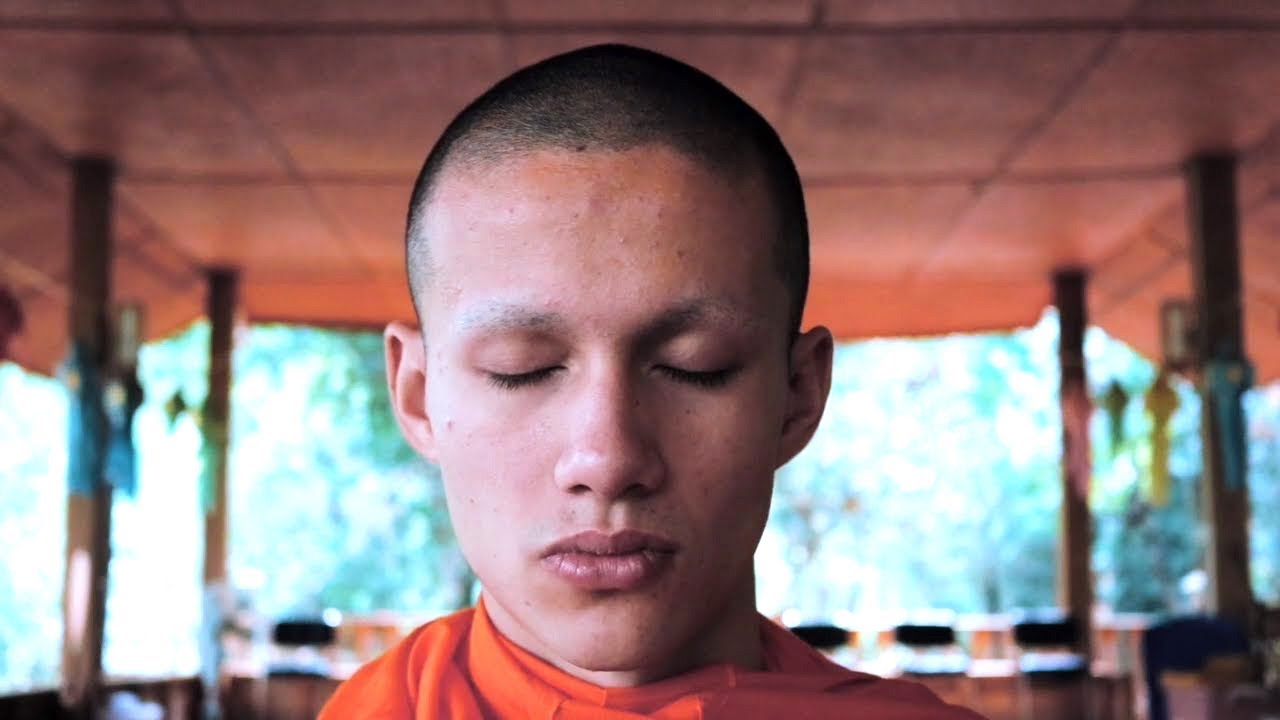
Nick Keomahavong spent his pre-monastic life as a psychotherapist and hip-hop dancer before ordaining as a Theravada Buddhist monk in Thailand in 2018. His 16-minute documentary, “The Daily Life of a Monk | Original Buddhist Documentary,” published to YouTube on May 17, 2020, follows the routine at the Pa Pae Meditation Retreat in Chiang Mai. The film’s guiding line, repeated throughout, is that monastic life is “simple, but not easy” — a discipline built on a handful of possessions and a rigidly kept schedule rather than any dramatic austerity.
- The monks’ day starts between 4:00 and 4:30 a.m. with silent breathing and bed-making, using only three possessions: a blue mat, one robe as a blanket, and a second set of robes rolled up as a pillow.
- The morning alms round, or bindabat, has monks walking barefoot through the local village in any weather to receive food, a practice Keomahavong frames as a two-way exchange in which laypeople generate merit and practice letting go of greed.
- Chores called “Rabbun” are split into individual morning tasks — tidying rooms, setting up breakfast areas, sweeping — and group work in the afternoon, both treated as mindfulness exercises rather than mere upkeep.
The Morning Before the Village Sees Them
Before any contact with the outside world, the monks at Pa Pae move through a sequence designed to settle the mind before it has to deal with anyone else’s. Waking at 4 to 4:30 a.m., the first act isn’t chanting or sweeping — it’s silent breathing, followed by making the bed. Keomahavong lingers on how little that “bed” actually is: a blue mat on the floor, one robe serving as a blanket, another folded set of robes doubling as a pillow. There’s no mattress, no pillow in the conventional sense, no extra layer.
From there the monks move into chanting, which the documentary frames as a tool for physically slowing the mind’s pace, and then into a period of deeper meditation. The sequence matters: chanting first, then meditation, is presented as a way to ground any emotional residue and build up mental energy before the monks step outside the retreat and into contact with the village, with all the distraction that implies.
Walking Barefoot for the Bindabat
The alms round is the film’s centerpiece. Monks walk out barefoot, regardless of weather, into the surrounding village to receive food offerings from laypeople — a practice the documentary calls bindabat. Keomahavong is careful to reject the idea that this is simply monks collecting a meal.
The alms round isn’t sustenance changing hands — it’s a symbiotic relationship where the giver trains their own mind and lets go of greed as much as the monk receives his food.
That framing runs through the whole film: the villagers aren’t performing charity so much as practicing their own discipline, generating merit while the monks practice non-attachment to what they’re given. Anyone curious about how remote, disciplined living gets structured around a handful of daily non-negotiables might also recognize the rhythm from a radically simple permaculture life on a quarter acre, where the constraint itself becomes the point rather than a hardship to escape.
Rabbun: Chores as Mindfulness Practice
After the meal, the retreat’s daily chores — called Rabbun — split into two blocks. Individual tasks fill the morning: tidying personal rooms, organizing the breakfast area, sweeping walkways. Afternoons shift to group work. Neither block is treated as busywork; the documentary presents both as extensions of the same meditation practiced at 4:30 a.m., just applied to a broom instead of a breath. The intent, per Keomahavong, is to keep monks anchored in the present moment across ordinary physical tasks rather than reserving mindfulness for formal sitting sessions alone.
Viewers looking for a comparable slow-build, routine-driven documentary style — long on process, short on narration — may find a similar pace in A Peek at the Haven, another retreat-style profile built around daily ritual rather than plot.
The Line Between Simple and Easy
What separates Keomahavong’s documentary from a tourist’s-eye view of Thai monasticism is his insistence that “simple” doesn’t mean “comfortable.” Three possessions, a 4 a.m. start, barefoot walks regardless of rain, and chores stacked on top of hours of chanting and meditation — none of it is complicated to describe, and none of it is easy to sustain. That’s the distinction he built the entire film around, and it’s the one detail that keeps the documentary from reading as just another spiritual-retreat highlight reel.




THE MOST INSANE TENTS THAT ARE ON ANOTHER LEVEL
Tears For Fears – Everybody Wants To Rule The World – Solo Acoustic Guitar
Mind-Blowing Ultra-Compact Eco Tiny House
3 PEOPLE LIVING IN A VAN | Van Life in Scotland
In Residence: Jim Olson – inside the architect’s treetop house