

 InfoSearched
Before you sign anything on that tiny manufactured home, a Louisiana real estate agent wants you to run the numbers first.
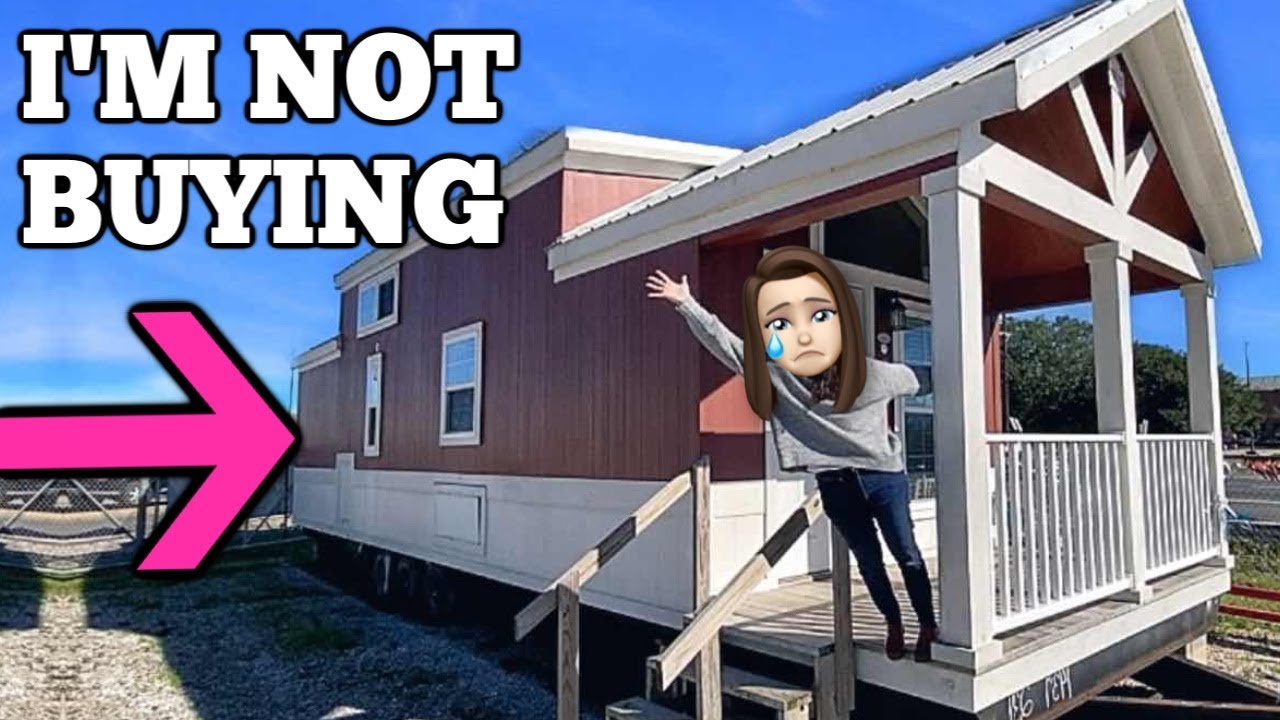
Kristina Smallhorn, the Prairieville, Louisiana–based agent behind “Your Real Estate Whisperer,” has built an audience breaking down the housing decisions that don’t get talked about in glossy listing photos. In her latest breakdown, she takes aim at tiny manufactured homes — the compact, factory-built units that have marketed themselves as the affordable answer to a broken housing market. Her take: for a lot of buyers, that affordability comes with tradeoffs that don’t show up until years after closing.
- Smallhorn says entry-level factory-built tiny units offer little to no ability to modify floor plans, renovate cosmetically, or upgrade mechanical systems compared to stick-built or higher-end modular homes.
- She warns these homes typically depreciate like personal property or RVs rather than appreciating the way traditional real estate does, because they serve a narrow, niche buyer pool.
- She flags real external roadblocks — municipal zoning ordinances, local codes with minimum square-footage requirements, and difficulty qualifying for standard residential mortgages.
The Square-Footage Problem
Smallhorn’s first point of attack is livability. Ultra-compact layouts, she argues, routinely fail to accommodate ordinary household routines — let alone the life transitions that come with a growing family, a new hobby, or simply aging in a home over time. What reads as minimalist and efficient in a listing photo can feel like confinement once someone is actually living in 300 or 400 square feet full time.
That confinement problem compounds because of how these units are manufactured. Unlike a custom stick-built house or a higher-end modular property, entry-level tiny manufactured homes come off the factory line with rigid, pre-built constraints. Buyers looking to reconfigure a floor plan, swap finishes, or upgrade wiring and plumbing down the line often find those options simply don’t exist the way they would in a traditionally built house.
Depreciation Versus Equity
Smallhorn’s sharpest warning centers on money. Traditional homes are supposed to build equity over time as local markets appreciate. Tiny manufactured homes, she says, largely don’t play by those rules — they cater to a specialized, niche slice of buyers, and that narrow demand means they don’t track normal real estate appreciation patterns.
Instead of building long-term equity, tiny manufactured homes often depreciate the way personal property or recreational vehicles do.
That distinction matters for anyone treating a tiny home purchase as an investment rather than just a place to live. A conventional house bought today is generally expected to be worth more in a decade. A tiny manufactured unit, per Smallhorn’s analysis, is more likely to lose value the same way a car or a travel trailer does — steadily, and with little chance of recouping the difference at resale.
Zoning, Codes, and Financing Roadblocks
Even buyers who accept the space and resale tradeoffs still run into a wall of red tape. Smallhorn points to municipal zoning ordinances that restrict where tiny units can legally sit, and local building codes in many jurisdictions that flatly disallow dwelling units below a set minimum square footage. That means a buyer can purchase a tiny manufactured home outright and still not be permitted to place it on the lot they intended.
Financing adds another layer of difficulty. Because tiny manufactured homes fall outside the profile lenders use for standard residential mortgages, securing conventional financing can be far tougher than buying a traditional single-family home — pushing buyers toward personal loans or chattel loans with less favorable terms, another parallel to RV and manufactured-housing lending.
Smallhorn Provides Professional Recommendations
Smallhorn’s bottom-line advice to anyone chasing affordable housing: weigh long-term utility, property rights, and depreciation risk before writing a check for a tiny manufactured unit. It’s the same due-diligence conversation she’d have with a client eyeing any unconventional build — whether that’s a kit house or a container conversion — where the sticker price looks great until the zoning office and the appraiser weigh in.
For buyers still drawn to small-footprint living but wary of the pitfalls Smallhorn lays out, she frames the better path as looking at higher-end modular construction or custom-built compact homes that hold their value closer to a traditional house — the same logic that’s pushed some builders toward projects like a metal house build with real cost breakdowns or a dream home built from a kit, where the structure is engineered for the long haul rather than treated as disposable.








Graphic Designer Builds Custom 4×4 FUSO Overland Tiny Home for World Travel
Deadliest Journeys – Papua New Guinea
How To Create a Watertight Underground Bunker & Food Cache for $699
What’s Under The Ice In Antarctica?
Woodturning – Hawthorn Root Lamp