

 InfoSearched
A bushcraft veteran heads into the Canadian wilderness to prove nature can outfit you for the night.
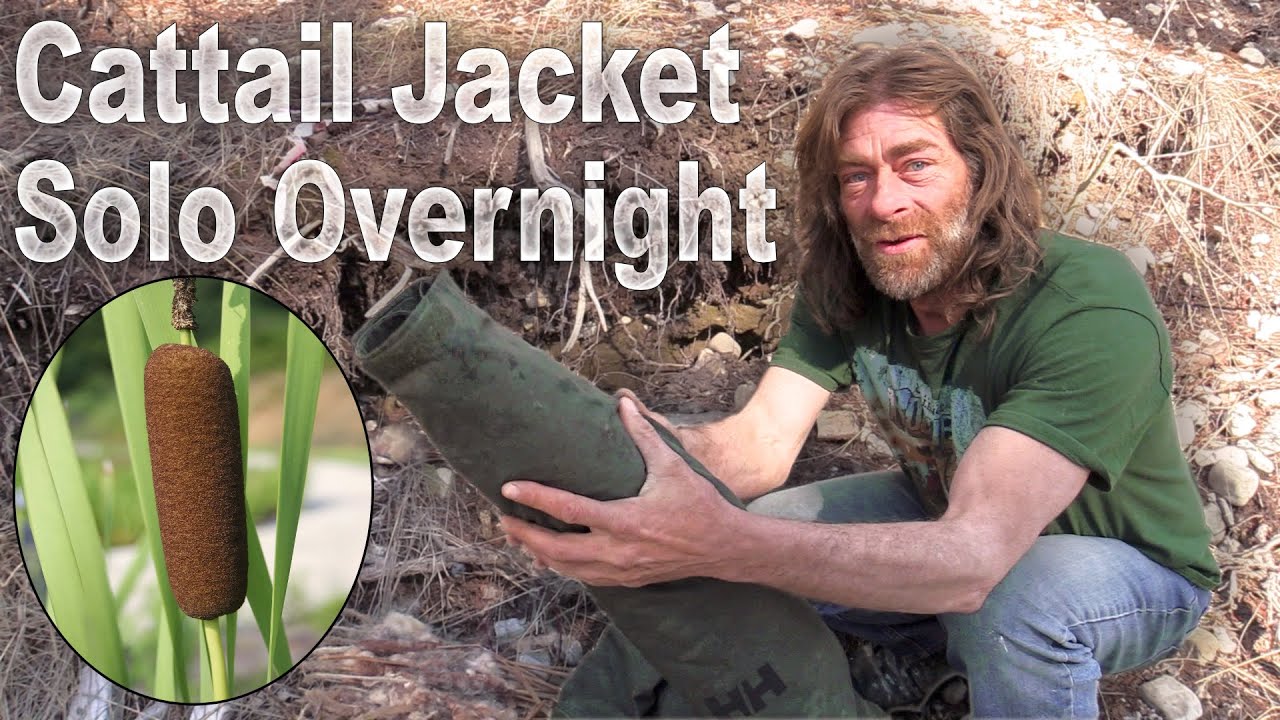
Greg Ovens, who runs the wilderness survival channel Ovens Rocky Mountain Bushcraft, treks back into the bush for a solo overnight built around one question: can a plant most people write off as swamp weed actually keep you warm? In “Cattail Down Jacket Solo Overnight,” Ovens builds a primitive debris shelter and then harvests wild cattail seed heads to stuff into a makeshift jacket, testing whether the fluffy botanical fiber can trap dead-air space the way commercial goose down does.
- Ovens harvests dry seed heads from wild cattail plants (Typha) growing in wetland areas and extracts the fluffy down inside to use as insulation fill.
- The DIY cattail jacket is stuffed to mimic the thermal performance of manufactured down by trapping dead-air space against the body.
- Ovens spends the night testing a primitive debris shelter alongside the jacket, monitoring heat retention and firecraft while managing the insulation’s known weaknesses — moisture sensitivity and flammability near open sparks.
Building the Shelter Before the Cold Sets In
Before he even touches a cattail head, Ovens has to get his debris shelter framed and insulated enough to hold body heat through the night. That means locating the right ridge pole, layering leaf litter and duff thick enough to matter, and closing gaps that would otherwise bleed warmth out into the surrounding bush. It’s the same shelter-first discipline that shows up across primitive builds like the solo overnight sandbag shelter project — get the structure right before worrying about anything else.
The debris shelter isn’t just a backdrop for the jacket demonstration. It’s the other half of the equation: insulation on the body only matters as much as the shelter’s ability to cut wind and hold in radiant heat. Ovens treats the two as a system, not separate tasks.
Harvesting Cattail Down in the Field
The core technique is straightforward in theory and fussy in practice. Ovens works through wetland stands of cattail, pulling apart the dry, brown seed heads to release the seed down packed inside — a fiber that expands dramatically once it’s teased loose from the stalk. That expanded volume is the entire point: more surface area means more trapped air, and trapped air is what actually keeps a body warm, whether it’s goose down or plant fluff doing the trapping.
This isn’t a new trick Ovens invented on camera. Cattail down as insulation is a long-standing wilderness survival staple, taught in extreme survival programs and rooted in historic indigenous practice across North America. Ovens is demonstrating a field-craft skill with real history behind it, not a gimmick built for a thumbnail.
Stuffed into a makeshift shell garment, the cattail down is meant to trap dead-air space and mimic the thermal performance of commercial down — in real sub-zero bush conditions, not a lab.
Limitations of Natural Insulation Materials
Ovens doesn’t dress this up as a flawless substitute. Cattail down loses its insulating value fast once it’s wet, and it’s genuinely dangerous around an open fire — a stray spark can turn a stuffed jacket into a fireball in seconds, a risk he has to actively manage while cooking and tending flames through the night. Those two vulnerabilities, moisture and flammability, are exactly why this stays a survival technique and not a piece of gear anyone would carry into camp on purpose.
That honesty is what separates the demonstration from a gear review. The video isn’t selling cattail down as better than goose down — it’s showing what’s achievable with nothing but what’s growing in the wetland around you, and what it costs you in return.
Testing It Overnight
The real proof comes after dark. Ovens settles into the debris shelter wearing the cattail-stuffed jacket, working his firecraft to hold a bed of coals through the cold hours while assessing whether the shelter’s heat retention and the jacket’s insulation are actually enough to get him through until morning. It’s the same test-it-for-real approach that runs through builds like the bushcraft tent made from plastic wrap and the rain-soaked Iron Age roof build — no shortcuts, no studio conditions, just whether the technique holds up when the temperature actually drops.
By sunrise, the demonstration has done what it set out to do: show that a cattail marsh and a debris shelter, worked correctly, can get a person through a cold night without a single piece of manufactured gear. Ovens has spent past outings proving similar points with sandbags and plastic sheeting — this one’s just a reminder that the swamp weed nobody looks at twice is doing the same job goose down does, minus the price tag and plus the fire risk.






One Homestead Day – Day In The Life On Our Small Farm
A TOUR of the SHIFTPOD TINY TENT HOME COMMUNITY – The Ultimate Shelter
Inside Mexico’s Warring Cartels and the Millions of People They’ve Displaced
Man captures all walks of life crossing log bridge
Tears For Fears – Everybody Wants To Rule The World – Solo Acoustic Guitar