

 InfoSearched
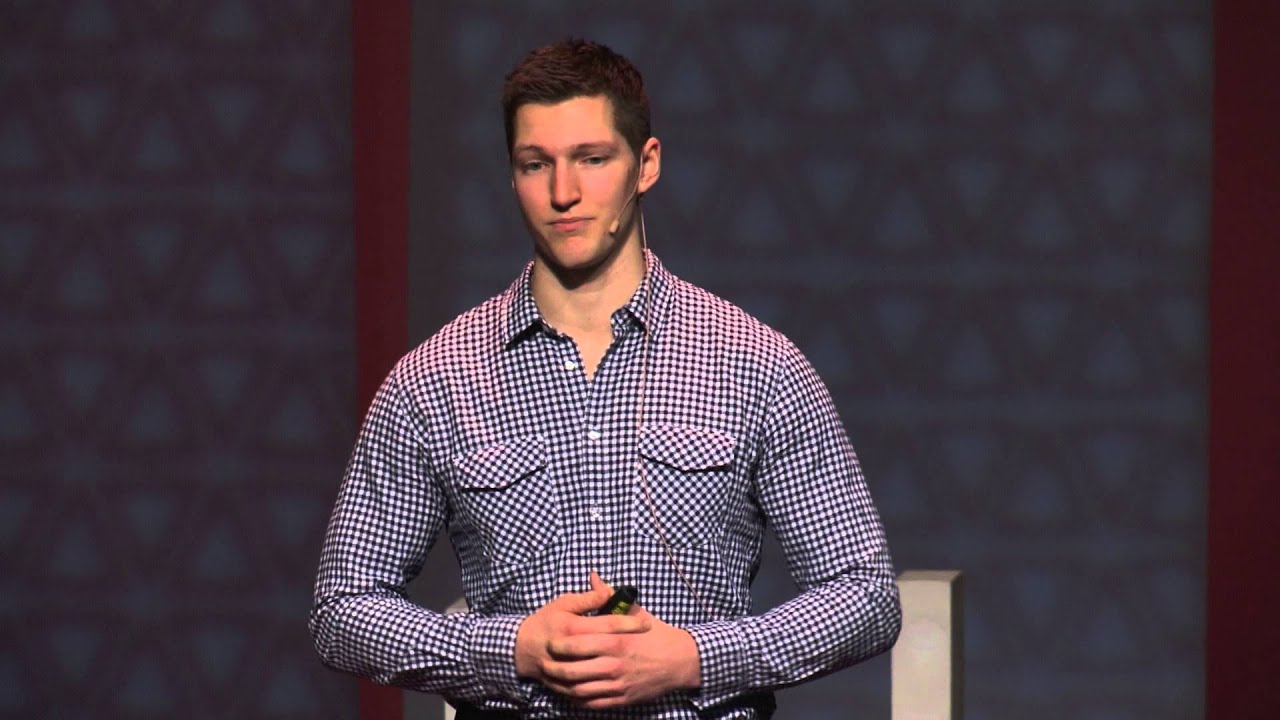
A broken leg sidelined Luke Durward from campus — and turned into the case study behind his TEDxYorkU talk on fixing how people eat.
Luke Durward didn’t set out to give a TED talk on nutrition. He set out to survive a semester off school after breaking his leg, and used the downtime to help his younger brother, who was struggling with his weight and stuck in the same failed-diet cycle millions of people know too well. What he learned from that experience became “How to make healthy eating unbelievably easy,” his TEDxYorkU presentation built around one blunt idea: motivation isn’t the problem, your surroundings are.
- Durward broke his leg, forcing him to take time away from his undergraduate studies and move back home.
- During recovery, he mentored his younger brother — who was struggling with weight and unhealthy eating patterns — through a dramatic physical transformation.
- His central claim: willpower alone rarely succeeds against poor surroundings, and lasting change comes from re-engineering the environment, not from stricter self-control.
An Unplanned Assignment at Home
Recovering from a broken leg meant Durward had time most undergrads don’t get — weeks away from lectures, deadlines, and campus life, back in his childhood house. Rather than treat the injury as dead time, he turned his attention to his younger brother, whose eating habits had spiraled into the kind of pattern familiar to anyone who’s tried and failed at a diet: good intentions in the morning, takeout by dinner.
That domestic, almost accidental setup is the spine of the talk. Durward isn’t a nutritionist or a clinician delivering findings from a lab — he’s a college student describing what he watched happen in his own kitchen, which is exactly what gives the talk its credibility with a TEDx audience that’s heard plenty of diet advice already.
The Brother’s Transformation
Durward uses his brother’s turnaround as the talk’s proof of concept, walking the TEDxYorkU audience through the before-and-after not as a highlight reel but as evidence for a mechanism. The transformation wasn’t triggered by a new diet plan, a gym membership, or a burst of motivation — it came from Durward changing what was physically available and visible in his brother’s day-to-day environment.
That distinction matters to the argument. If the brother’s success had come from sheer discipline, it would confirm the conventional wisdom that failed dieters just need to try harder. Instead, Durward frames it as the opposite lesson.
Willpower alone rarely succeeds against poor surroundings.
Environment Beats Willpower
This is the load-bearing idea of the talk. Durward argues that most failed diets aren’t failures of character — they’re failures of design. If the easiest option in your kitchen is the bag of chips on the counter, willpower has to fight that setup meal after meal, day after day, and eventually loses. Move the chips out of reach and put cut vegetables at eye level in the fridge, and the fight disappears because there’s nothing left to resist.
It’s a reframing that shows up across behavior-change research more broadly, but Durward’s version is grounded entirely in what he did in one house with one teenager: removing friction from the healthy choice and adding friction to the unhealthy one, rather than relying on his brother to summon more discipline than he’d ever needed before.
Process Goals, Not Outcome Goals
Durward pushes the same logic into how people set goals. He argues that outcome goals — hit a target weight, fit into old jeans by summer — are high-stakes and demoralizing when progress stalls, which is often. Process goals, built around daily routines that are easy to repeat, keep the pressure low and the behavior consistent, which is what actually produces the outcome over time.
That’s the practical takeaway TEDxYorkU audiences leave with: skip the dramatic resolution and instead build a routine so frictionless it barely requires deciding anything. Readers chasing the same shift in their own habits will find the same environment-first thinking echoed across the Healthy Lifestyle coverage on this site, and the broader Life Hacks approach to small, repeatable behavior changes that don’t depend on motivation showing up every day.
Durward’s talk never promises a shortcut — it promises that the shortcut people are looking for already exists, just not where they’ve been looking for it. Fix the kitchen counter before you fix the calorie count, and the diet takes care of itself.







Spectacular FLOATING HOME is Self-Built & Off-Grid
Small Vintage Trailer Renovated ON A BUDGET: Step by Step!
Alone in the Woods — Solo Camping + Cooking Spicy Soup Over My Camp Stove
Is War Good for The Economy?
5 Basic Survival Skills Everyone Should Know