

 InfoSearched
A ten-minute sit-down on Skid Row’s edge lays bare how one woman ended up working Figueroa Street.
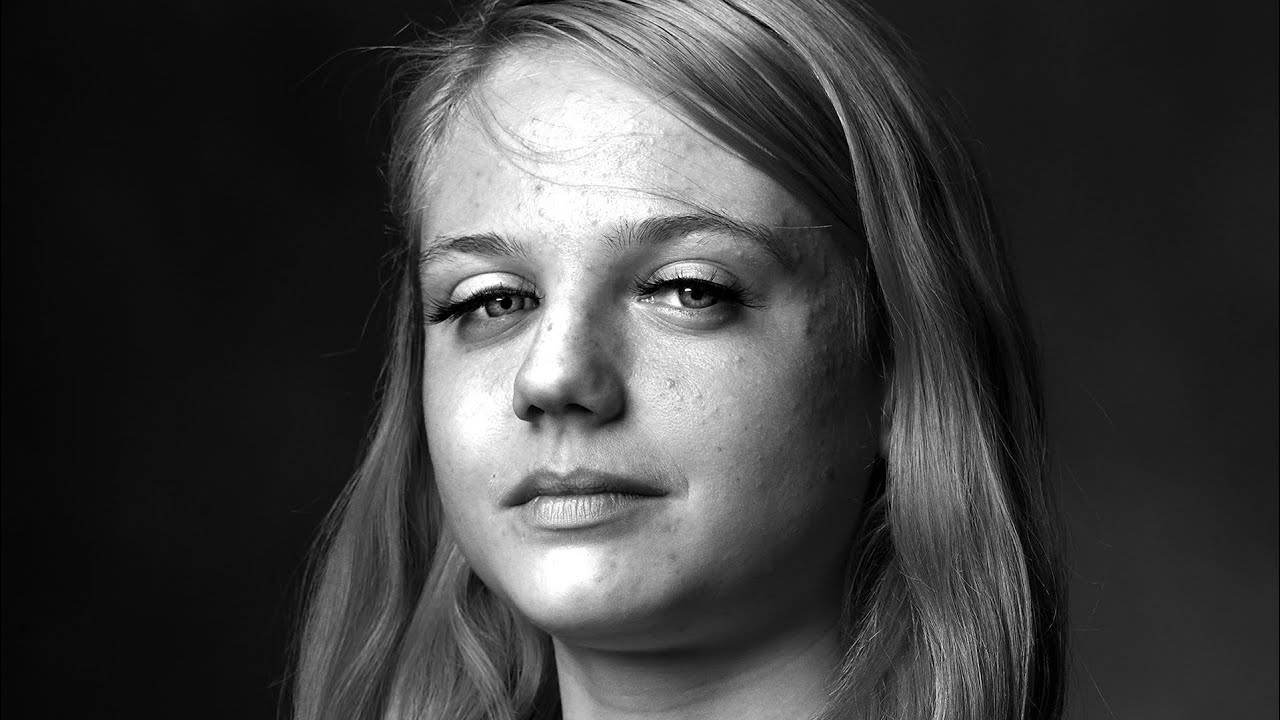
Mark Laita’s Soft White Underbelly published “Prostitute interview-Amber” on March 31, 2020, built from a session shot ten days earlier, on March 21. The subject, Amber, grew up in Sacramento and now works the streets of South Central Los Angeles, in the stretch along Figueroa Street that Laita has returned to again and again for this project. What follows in the interview is not commentary or advocacy — it’s Amber, in her own words, walking through how she got there.
- The interview and portrait session was photographed on March 21, 2020, and released March 31, 2020, on YouTube under the video ID kiL03oAt-9k.
- Amber is originally from Sacramento and was working the streets of the Figueroa corridor in South Central Los Angeles at the time of filming.
- She details her route into survival sex work through financial hardship, family instability, and ongoing substance dependency.
From Sacramento to Figueroa Street
Amber’s story starts hundreds of miles north of where Laita found her. She traces her arrival on the Figueroa corridor back to a combination of money running out and a home life that gave her nothing to fall back on. That stretch of Figueroa, running through South Central, is one of the corridors Laita and his crew have shot repeatedly for the channel — a strip where street-level sex work and open drug use sit in plain view, block after block.
What separates her segment from a headline or a police blotter entry is the specificity of her own account: the financial pressure that pushed her toward survival sex work, the family breakdowns that left her without a safety net, and the substance dependency that both drove and deepened her situation. Laita doesn’t narrate over her — he lets her lay out the sequence herself, unedited and largely unquestioned.
The Soft White Underbelly Method
Laita, a commercial photographer by trade, built Soft White Underbelly around a stripped-down format: a plain backdrop, direct lighting, a single subject, and a camera that doesn’t cut away. The channel has become a running archive of interviews with sex workers, unhoused Angelenos, and people in active addiction, most of them filmed in the same corners of Los Angeles where Amber was found.
Photographed March 21, 2020, on the Figueroa corridor — posted ten days later as “Prostitute interview-Amber.”
There’s no host commentary track layered on top, no reenactment, no studio audience reaction. The format’s entire value is in letting the subject’s account stand on its own, which is exactly what makes Amber’s segment function as a document rather than a story about her — for viewers who follow the channel’s other work in the documentaries space, it sits alongside dozens of similar sit-downs shot on the same handful of blocks.
Scope and Limits of Interviews
Third-party reporting on Amber’s specific case was thin at the time the video went up — this wasn’t a story picked up by local outlets or tied to an arrest, a court date, or an outreach program. It exists as one entry in a much larger body of street-life interviews Laita has compiled, most of which never generate coverage beyond the video itself. That’s by design: the channel isn’t chasing news pegs, it’s building a catalogue of testimony from people who rarely get asked to explain themselves on camera.
Amber’s account of financial collapse, family instability, and dependency lines up with patterns Laita has documented across dozens of other interviews on the same stretch of Figueroa — not identical stories, but a similar chain of events repeating with different names attached.




The Clamper | Old Tool Reborn
How to Make a DIY Greenhouse
9 Constipation Life Hacks That Actually Work | Hack My Life #20
Top 5 Ferocious Hornet Moments
SO MUCH PROGRESS! – building a workshop in the jungle