


 InfoSearched
The internet’s most notorious urban legend gets the fact-check treatment, and the verdict isn’t kind to the story.
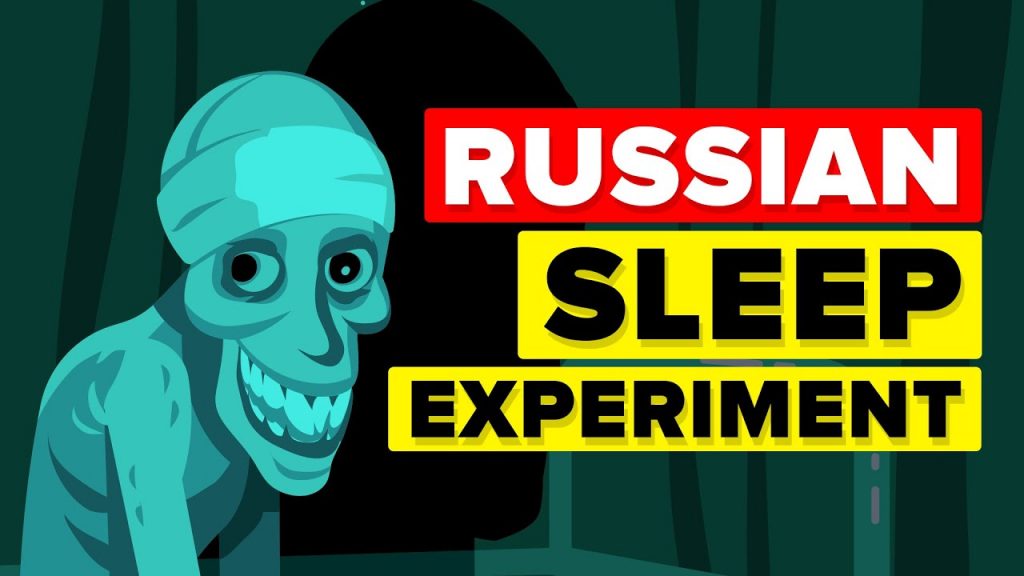
For over a decade, the “Russian Sleep Experiment” has circulated as one of the internet’s go-to horror tales — a supposed late-1940s Soviet program that pumped an experimental gas into a sealed chamber holding five political prisoners, promising freedom in exchange for staying awake 30 days straight. The Infographics Show’s video “Russian Sleep Experiment – EXPLAINED” walks through the entire fictional narrative beat by beat, then dismantles it using real sleep science, military history, and basic human physiology.
- The creepypasta claims five prisoners were exposed to a stimulant gas for 15 days, with subjects suffering combat flashbacks by day four, hallucinations by day five, and mass screaming by day nine before researchers found them mutilated and cannibalizing each other.
- The video confirms militaries genuinely issued stimulants like amphetamines to soldiers during World War II, but stresses no chemical agent has ever kept a human functional — let alone alive — for 15 straight days without sleep.
- Sleep deprivation research cited in the video shows cognitive collapse and hallucinations set in after roughly 48 hours without rest, and fact-checkers including Snopes have rated the entire “Russian Sleep Experiment” tale as False.
The Story the Internet Fell in Love With
The legend, as retold in the video, follows a grim but familiar creepypasta arc. Five political prisoners are placed in a sealed room and told a specially developed gas stimulant will keep them awake for 30 days, after which they’ll walk free. Everything holds together for the first few days — until day four, when the subjects start reliving traumatic combat memories. By day five they’re hallucinating. By day nine, the chamber has gone from screaming to dead silence.
When researchers finally crack the door open on day 15 to shut off the gas, they find the prisoners have torn out their own organs and turned to cannibalism — yet still demand more of the stimulant. A violent struggle follows, soldiers and prisoners die, and the story closes with a surviving prisoner being interrogated and then shot by a panicked researcher. It’s the kind of ending built for late-night forum threads, not a lab report.
Scientific Evidence Remains Unsubstantiated
The Infographics Show breaks the tale apart using basic physiology. Self-evisceration and organ removal cause rapid, fatal blood loss — there’s no scenario where a person keeps functioning, let alone becomes more dangerous, after that kind of trauma. No chemical compound in existence, military-grade or otherwise, can suspend the body’s need for sleep for two full weeks while also erasing the user’s humanity in the process the story describes.
Real sleep-deprivation research tells a very different story than mindless endurance. Going without sleep for more than 48 hours reliably produces hallucinations, severe cognitive impairment, and eventual physical incapacitation — the body shuts down rather than mutating into something monstrous.
No chemical agent exists that keeps a person awake and functional for 15 straight days, let alone turns them into a mindless killer.
Wartime Stimulants Versus Internet Fiction
The one grain of truth buried in the legend is the wartime stimulant angle. Amphetamines were genuinely distributed to soldiers on multiple sides during World War II to fight fatigue on long missions — a documented and well-known piece of military history. But that historical fact is a long way from a Soviet black-site experiment that turns prisoners into organ-tearing cannibals over two weeks. The video treats this as the likely seed the legend grew from, dressed up with horror-genre details that have nothing to do with any real program.
That gap between documented military practice and internet mythology shows up constantly in stories about secretive government or military work — the kind of territory covered in pieces like The Most Secretive Unit in United States, where real classified operations get exaggerated into something closer to legend the moment they hit message boards.
The Verdict
Snopes has rated the Russian Sleep Experiment False, and the video’s breakdown lines up with that conclusion point for point: no records, no named researchers, no surviving documentation, and a body count that violates basic medical fact. It sits in the same bucket as other viral horror stories that trade on gruesome, unverifiable claims about the human body — the type of shock content that also fuels lists like 5 Craziest Things I’ve Found In Dead Bodies, where real forensic detail gets blurred with internet exaggeration.
The Russian Sleep Experiment isn’t going anywhere — creepypasta doesn’t die just because Snopes flags it False, and it’ll keep getting reposted every October like clockwork. But between the organ removal that should’ve killed the subjects in minutes and the 15-day timeline no stimulant on Earth can support, the story was never built to survive a fact-check, only a bonfire.







My FIRST Solo Flight in a Cessna 172! | ATC Audio
Pemmican – The Ultimate Survival Food
People Of This Tribe Violate All Laws Of Physics!
Trying 26 UNEXPECTED DIY FOOD LIFE HACKS by 5 Minute Crafts
Inside a Sprawling 8-Level Manhattan NYC Townhouse with 3 Terraces, an Elevator, & NY Skyline Views