

 InfoSearched
An 800,000-acre stretch of Utah desert has spent nearly eight decades hosting some of the most dangerous experiments in American military history.
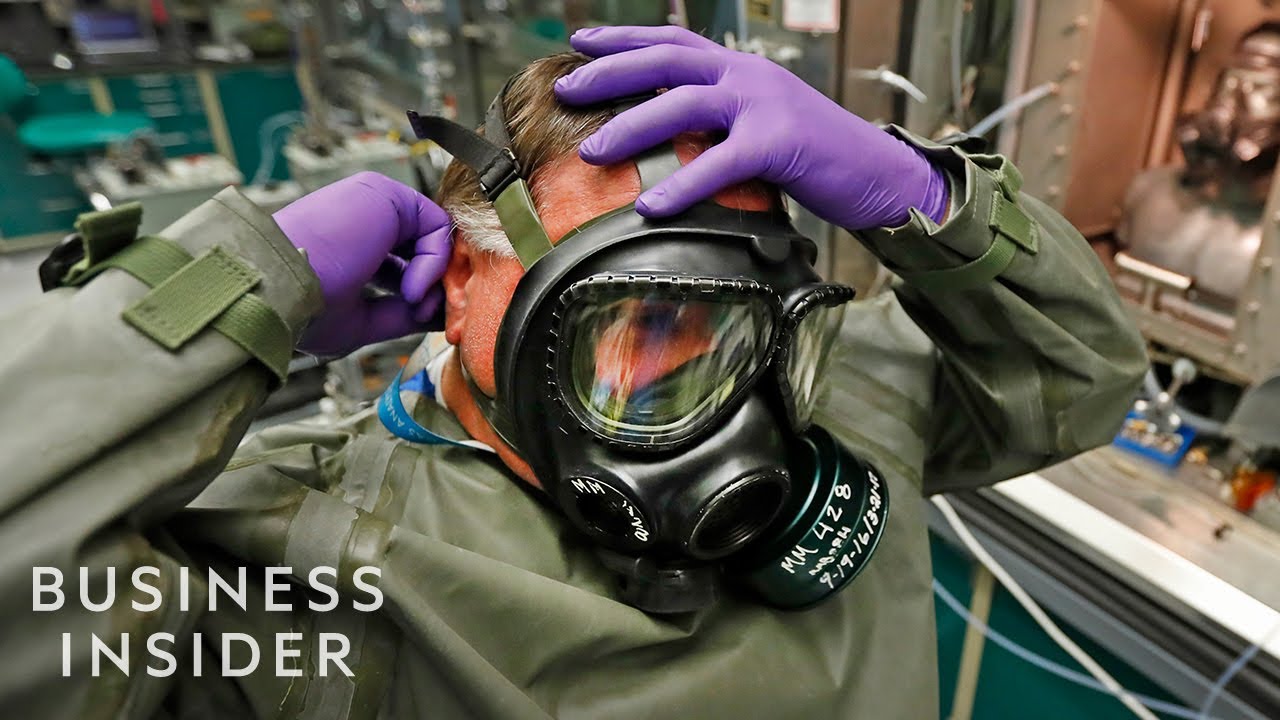
Roughly 85 miles southwest of Salt Lake City sits Dugway Proving Ground, an Army installation so isolated it was chosen in 1942 specifically because almost nothing lived nearby. Business Insider’s investigation goes inside the base’s history of testing biological and chemical warfare agents, radiological dispersal methods, and the munitions built to deliver them — and the accidents that turned Dugway into a case study in what can go wrong.
- Dugway Proving Ground spans approximately 800,000 acres in the Utah desert and has operated since 1942 as a testing site for biological and chemical warfare agents and radiological dispersal methods.
- In March 1968, an aerial spray test involving the nerve agent VX drifted off-target and killed more than 6,000 sheep grazing in nearby Skull Valley, a disaster that contributed to President Richard Nixon halting open-air biological and chemical weapons testing in 1969.
- Base personnel later shipped live anthrax spores instead of properly deactivated samples to dozens of military, federal, and academic labs across the country and overseas.
Inside the Utah Desert’s Testing Ground
Dugway’s footprint is almost incomprehensible on a map — 800,000 acres of high desert, roughly the size of some small states, ringed by mountains that keep the site out of view from public roads. That isolation was the point. When the Army stood up the base in 1942, it needed a place remote enough to test biological agents, chemical agents, and radiological dispersal techniques without putting nearby towns at risk. For decades, that’s exactly what happened there.
The military has since moved away from developing offensive chemical and biological weapons, but Dugway didn’t shut down — it changed jobs. Today the installation functions as a primary testing and evaluation site for biological and chemical defenses, decontamination equipment, and troop training scenarios, including exercises where soldiers learn to identify clandestine labs and mock weapons of mass destruction.
The 1968 Nerve Agent Disaster
The single most damaging episode in Dugway’s history happened in March 1968. An aerial spray test involving VX — a persistent nerve agent — drifted off its intended target, likely the result of a shifting wind or a valve malfunction. The agent settled over Skull Valley, where it poisoned and killed more than 6,000 grazing sheep.
More than 6,000 sheep died in Skull Valley within days of the March 1968 test — a toll that helped end an era of open-air chemical warfare testing in the United States.
The public backlash was immediate and lasting. The images and reports out of Skull Valley became a rallying point against open-air weapons testing, and the fallout is widely credited as a direct factor in President Richard Nixon’s 1969 decision to halt open-air biological and chemical weapons testing nationwide.
From Offensive Weapons to Defense-Only Mission
Nixon’s order didn’t close Dugway; it redefined what happens there. The base pivoted toward defensive research: testing protective gear, decontamination methods, and detection equipment meant to help troops survive chemical or biological attacks rather than launch them. Readers who followed Business Insider’s earlier look at The Most Secretive Unit in United States will recognize the pattern — a Cold War-era program surviving by shifting its stated mission while keeping its operations locked behind the same level of secrecy.
A History of Biosecurity Lapses
Even under its defense-only mandate, Dugway has struggled to shake scrutiny over biosecurity. In one widely reported lapse, base personnel inadvertently shipped live anthrax spores — Bacillus anthracis — instead of fully deactivated samples to dozens of military, federal, and academic laboratories across the country and abroad. The incident raised the same question that’s followed the base since 1968: how a facility built around strict containment protocols keeps having containment failures.
Officials maintain that Dugway adheres to rigorous biosafety standards and that its work is strictly defensive, in the same vein of institutional reassurance covered in Business Insider’s reporting on Why You Never Mess With Elite Special Forces. But between the Skull Valley sheep kill and the anthrax shipping error, Dugway’s own record is what keeps it near the top of any list of the U.S. military’s most sensitive and controversial installations.
Dugway isn’t going anywhere — it’s still the Army’s go-to range for testing decontamination gear and running mock-WMD training scenarios in a landscape empty enough to absorb whatever goes wrong. The base just doesn’t get to make that case with a clean track record behind it.





Luxury Eco Bush Retreat w Loft Bed & Lap Pool! – Australian Home Tour
12 Most Mysterious Abandoned Places That Hide A Secret
Building a Medieval House | 10 Day Bushcraft Shelter Build
Alaskan 12×16 Shed Tiny House – Living In Style On A Budget
$120 Million Private Island With Private Airfield – Bahamas