

 InfoSearched
Gardens Sustain Households During Outages
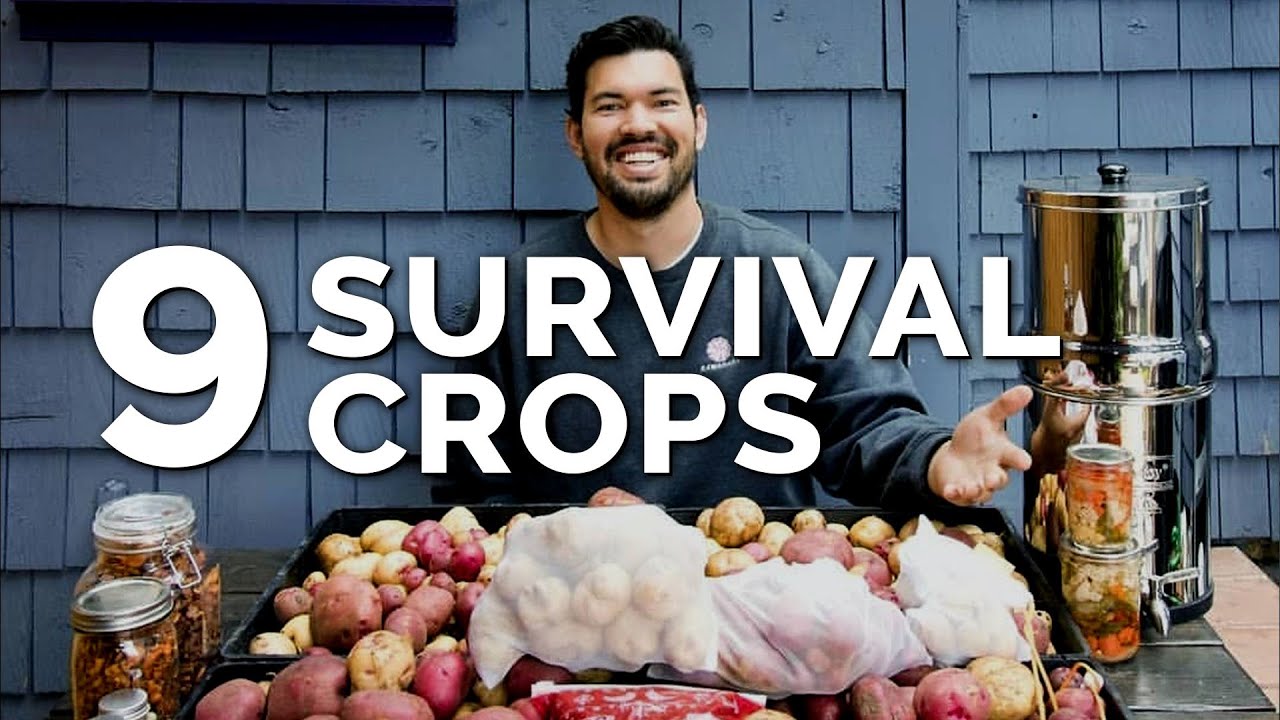
Kevin Espiritu, founder of Epic Gardening, isn’t selling doomsday paranoia. In “9 Survival Gardening Crops to Grow in a Post Apocalyptic World,” he lays out a practical case for choosing food crops based on caloric density, storability, and how little they demand from a grower who might not have access to a supermarket, a seed catalog, or reliable soil. The list reads less like a prepper’s bunker checklist and more like a blueprint any backyard or patio grower could put to use right now.
- Espiritu ranks nine crops — beans, corn, squash, cabbage, potatoes, kale, sweet potatoes, lentils, and herbs — as the highest-value plants for a self-reliant food supply.
- Corn, beans, and squash are highlighted together as the traditional “Three Sisters” planting method, where the corn stalk doubles as a trellis for climbing beans while squash shades the soil.
- Potatoes get singled out for their historical role in averting famine and for how easily they grow in confined spaces — five-gallon buckets, grow bags, or containers, no farmland required.
The Caloric Core: Beans, Corn, and Potatoes
Espiritu builds his list around calories first. Beans top it because they deliver protein in a diet that otherwise skews toward starch, and because as legumes they fix nitrogen in the soil, actively improving the ground they’re planted in rather than depleting it. He recommends growing both bush and pole varieties — bush beans for a fast fresh harvest, pole beans for the vertical space efficiency and the option to let pods dry fully for long-term storage.
Corn makes the list specifically in its flour or dent varieties, not sweet corn, because those types can be dried, ground into flour, or nixtamalized — treated with an alkaline solution to unlock more nutrition — for storage that lasts far longer than eating it fresh off the cob. Potatoes round out the trio as the calorie workhorse, a crop Espiritu notes has literally kept populations alive through historical famines, and one that doesn’t ask for much: a container on a patio is enough.
The Three Sisters and Companion Planting
Corn, beans, and squash aren’t just three separate entries on Espiritu’s list — grown together, they form the “Three Sisters,” a companion-planting method where each crop supports the others. The corn provides a living trellis, the beans climb it while feeding nitrogen back into the soil, and squash spreads low to the ground, shading out weeds and holding moisture. Espiritu frames this as the kind of space-efficient, low-input system that matters when a grower can’t rely on store-bought fertilizer or unlimited square footage.
Potatoes are famous for averting historical famines — and you can grow them in a five-gallon bucket.
That same logic of stacking function onto limited space runs through the rest of the video, and it’s the same reasoning behind guides like How To Turn Your Lawn Into A Vegetable Garden, which treats every square foot of a yard as a potential calorie source rather than ornamental grass.
Greens, Roots, and Long-Term Storage
Cabbage earns its spot for fiber and vitamins C and B6, but Espiritu emphasizes its second life: fermented into sauerkraut or kimchi, it becomes a preserved food that can last months without refrigeration — a critical trait when there’s no freezer running. Kale gets credit as a cut-and-come-again green, meaning a single plant can be harvested repeatedly across a season instead of pulled once, and it tolerates cold and inconsistent conditions better than most leafy greens.
Sweet potatoes double up on utility — a calorie-dense root crop that also produces edible greens throughout the growing season, so nothing goes to waste before the tuber is even ready to dig. Lentils close out the protein side of the list as a legume that yields a high-protein harvest in dry storage form, resilient enough to keep producing without the intensive care some crops demand. Herbs finish the nine not for calories but for function: culinary flavor that makes repetitive stored food bearable, plus the medicinal uses that matter when a pharmacy isn’t an option.
Growing in Tight Spaces
Espiritu’s throughline is that none of this requires acreage. Vertical gardening, container growing, and companion planting let a patio or a small urban lot produce a meaningful chunk of a food supply, echoing the same container-first approach covered in How to Grow Raspberries, Blueberries, and Blackberries in Containers. The pitch isn’t a bunker in the woods — it’s a five-gallon bucket of potatoes on a fire escape and pole beans climbing a corn stalk in a raised bed.
None of these nine crops require a homestead — that’s the point Espiritu keeps circling back to. A grower with a few containers, some saved seed, and one growing season under their belt could realistically have beans drying, potatoes bulking up in a grow bag, and cabbage ready for the fermentation crock before the next frost even shows up on the forecast.







Beautiful Tiny Turf House in Iceland – Full Tour & Interview
Marine Corps Scout Sniper Course: Cover and Concealment
The Mennonites – a trip back in time
Inside the WORLD’S BIGGEST CLOSET
5 Basic Survival Skills Everyone Should Know