

 InfoSearched
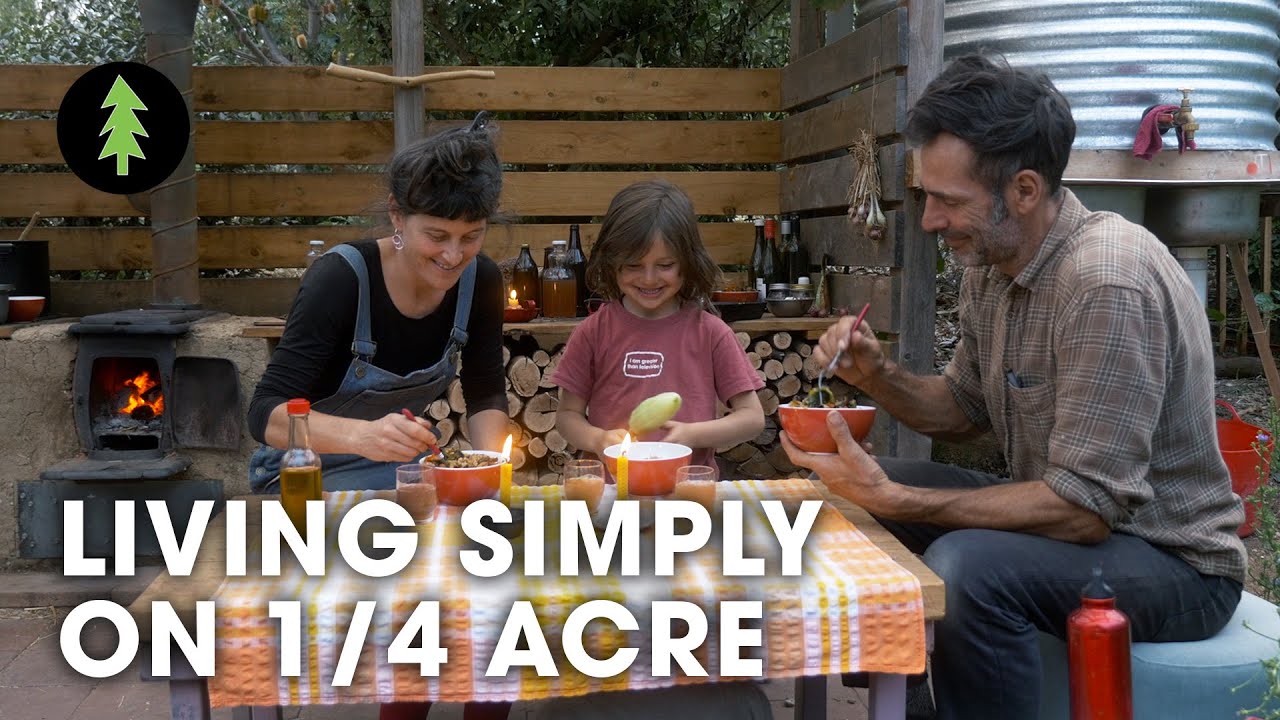
Creatures of Place is an insight into the wonderful world of Artist as Family: Meg Ulman, Patrick Jones, and their youngest son, Woody.
Living on a 1/4-acre section in a small Australian town, Meg and Patrick have designed their property using permaculture principles.
They grow most of their own food, don’t own cars and ride their bikes instead, use very little electricity, and forage food and materials from their local forest. We found their story super inspiring and we think you will too!
How can regenerative gardening techniques such as no-till and composting contribute to a more sustainable permaculture garden on a 1/4 acre homestead?
Living a Radically Simple Permaculture Life on 1/4 Acre
Permaculture is a sustainable, regenerative and holistic approach to gardening and farming which aims to mimic natural ecosystems to create a self-sustaining, productive and resilient environment. In essence, permaculture is about growing food and creating homes, communities, and lifestyles that are in harmony with nature, sustainable, and fulfilling.
Living a permaculture life on 1/4 acre may seem like a daunting task, but it is possible with some planning, creativity, and hard work. Here are some tips to get started:
1. Design your homestead to fit your lifestyle and location
Before starting a permaculture garden, it is important to assess the available space, sunlight, water access, climate, and soil conditions. You can design your garden to fit your needs and preferences, such as creating a vegetable garden, chicken coop, compost station, herb garden, or fruit orchard.
2. Use permaculture principles to maximize your land use
Permaculture principles such as companion planting, intercropping, vertical gardening, and water harvesting can help you maximize your land use and create a more diverse and productive garden. By combining plants that support each other, such as nitrogen-fixing plants and herbs, you can improve soil health, reduce pests and diseases, and increase yields.
3. Incorporate animal systems
Animals such as chickens, ducks, rabbits, and bees can provide food, fertilizer, pest control, and pollination to your permaculture garden. Integrating animal systems into your garden can create a more self-sustaining and diversified homestead.
4. Practice regenerative gardening techniques
Regenerative gardening techniques, such as no-till, cover cropping, and composting, can help you build healthy and fertile soil that supports plant growth and biodiversity. By avoiding chemical fertilizers and pesticides, you can reduce your environmental impact and promote a more natural and sustainable garden.
5. Reduce waste and resource use
Living a permaculture life also means being mindful of your resource use and waste production. By composting kitchen scraps, recycling, reducing energy consumption, and conserving water, you can minimize your impact on the environment and save money.
Living a radically simple permaculture life on 1/4 acre requires dedication, creativity, and patience. However, the rewards of a self-sustaining, productive, and fulfilling homestead are worth the effort.








Find Me A Luxury Home
How My Luxury Lifestyle Started! – Candid Conversations With Anna Bey #1 School of Affluence
Fabulous Cave House w/ Luxury Interior & Stone Hot Tub
Fire in ZERO-G!!
Slow motion of 50 cal sniper shot