

 InfoSearched
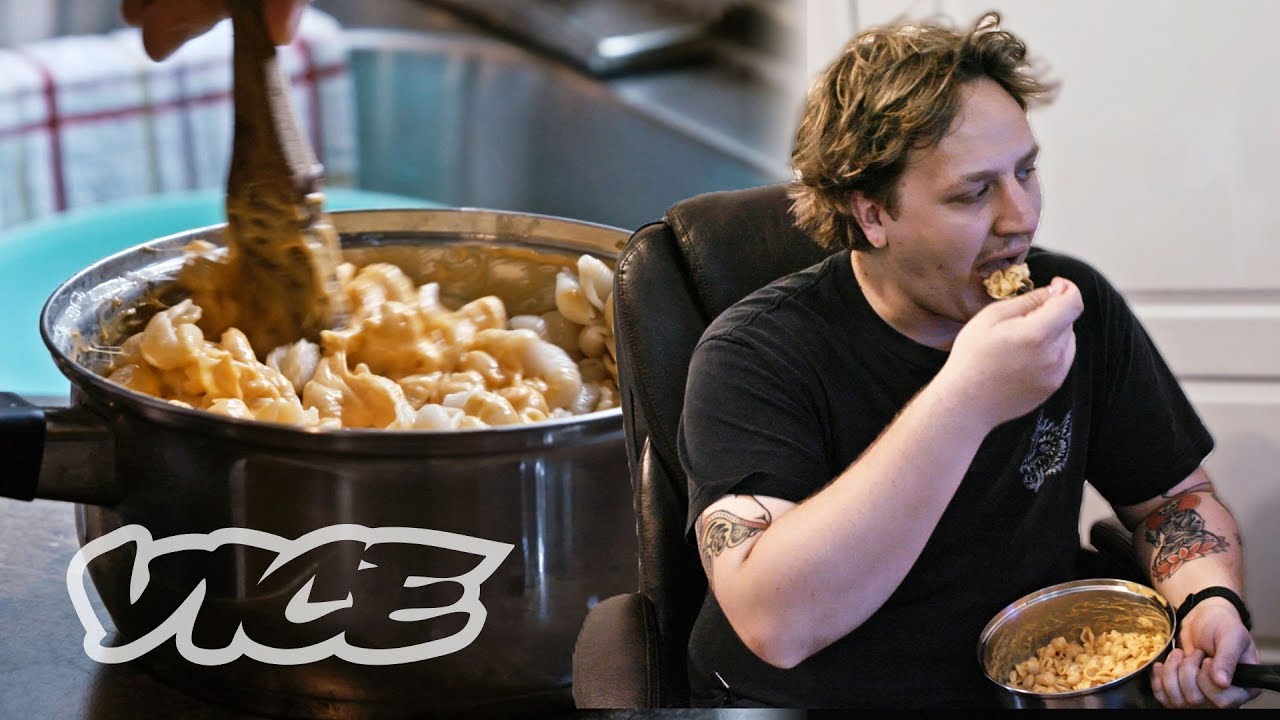
Austin Davis is 20 years old, and macaroni and cheese is the only meal he’s eaten in 17 of those years.
The VICE documentary short “I’ve Eaten Only Mac & Cheese for the Past 17 Years, Here’s Why,” released in October 2019, follows Davis in his small Florida hometown as he explains a condition most people have never heard of. It isn’t a quirky preference or a picky-eater joke — it’s Avoidant/Restrictive Food Intake Disorder, an anxiety condition that has kept him locked onto a single dish since he was three years old.
- Austin Davis, 20, has eaten virtually nothing but macaroni and cheese since age three — 17 straight years on one dish.
- His condition is diagnosed as ARFID (Avoidant/Restrictive Food Intake Disorder), formerly called Selective Eating Disorder, and it is driven by sensory aversion and anxiety, not body image concerns.
- Davis is pursuing cognitive behavioral therapy and food desensitization to gradually expand his diet and address the health risks of his nutritional imbalance.
A Diet Frozen in Childhood
Davis’s relationship with food stopped moving forward around the time most kids are still learning to use a fork. Whatever happened at age three locked in macaroni and cheese as the one food his body and brain would tolerate, and it never loosened its grip. Seventeen years later, he’s still eating it — not because he loves it in the way a college kid loves a go-to comfort food, but because almost everything else on a plate triggers a reaction he can’t override.
The documentary, part of VICE’s ongoing run of health-focused short films, treats his story less like a novelty and more like a case study. Davis walks the crew through his daily routine, and the toll shows up in small, specific ways — the exhaustion of navigating birthday parties, restaurants, and family dinners where everyone else is eating something he physically can’t bring himself to try.
Defining Avoidant Restrictive Food Intake Disorder
ARFID is easy to confuse with something like anorexia nervosa, but clinicians are clear that the two conditions have almost nothing in common beyond food avoidance. Anorexia is rooted in body image and weight control; ARFID is rooted in sensory aversion — the taste, texture, smell, or even the appearance of most food can trigger genuine anxiety, sometimes tied to a fear of gagging or vomiting.
That distinction matters clinically. A person with ARFID isn’t restricting calories to look a certain way — they’re avoiding foods because their nervous system treats them as a threat. For Davis, that means the everyday act of trying a new food carries the same dread most people reserve for something genuinely dangerous.
For 17 of his 20 years, macaroni and cheese has been the only meal Austin Davis could bring himself to eat.
The Physical Cost of Eating One Thing
A diet built entirely around one boxed staple isn’t sustainable, and the documentary doesn’t shy away from the physical consequences. Living almost exclusively on macaroni and cheese for nearly two decades creates the kind of nutritional imbalance doctors worry about — missing micronutrients, missing variety, and a body that’s been running for years without the range of vitamins and minerals a normal diet provides.
Davis’s story sits at the more extreme end of a spectrum that health researchers and outlets covering conditions like disordered eating have increasingly tried to demystify — the difference between a “picky eater” and someone with a diagnosable, anxiety-driven feeding disorder that has real long-term health stakes.
The Road Toward Recovery
The film’s back half follows Davis as he starts working with specialists on cognitive behavioral therapy paired with food desensitization — a slow, structured process of reintroducing new foods in small, manageable steps rather than forcing a sudden overhaul of a diet he’s known since preschool. It’s not a quick fix; it’s exposure therapy applied to a dinner plate, built around confronting the anxiety one bite at a time.
VICE’s documentary short format has covered plenty of unconventional lives and hidden conditions in its documentary catalog, but Davis’s case stands out for how ordinary the trigger looks from the outside — a box of macaroni and cheese — against how serious the underlying disorder actually is.
Davis doesn’t come across in the film as someone chasing a viral headline about loving mac and cheese — he comes across as someone trying to eat a second food for the first time in 17 years, one small, deliberate step at a time.









5 Bushcraft Shelters – Full Camp Builds Start to Finish
A Year in the Wilderness | Off Grid and Self Reliant in a Log Cabin
TESTING The Weirdest Axe Ever Made
FLYING Leaf Blower RC airplane Mk2
True cost of US healthcare shocks the British public