


 InfoSearched
Some animal nurseries come stocked with venom, not innocence.
The wildlife channel 4 Ever Green built its countdown video “Most Dangerous Baby Animals In The World” around a simple bait-and-switch: newborns that look helpless but are already armed. Instead of leaning on grown predators, the video runs through froglets, hatchlings and joeys that carry functioning toxins, venom delivery systems, or bite reflexes from the moment they’re born or hatched. The common thread is that “baby” and “harmless” aren’t the same word in the animal kingdom.
- Poison dart froglets carry the same neurotoxic skin secretions as adult frogs, meaning the toxicity is present from birth, not something they grow into.
- Platypus hatchlings are born with venomous spurs on their hind legs, capable of delivering a painful and potentially lethal injection long before adulthood.
- Slow loris infants secrete a toxic compound from glands on their inner elbows that can trigger serious allergic reactions, even death, in a threat that touches them.
Toxins Built In From Birth
The poison dart frog anchors this list for a reason: its bright coloring is textbook aposematism, a built-in warning label rather than decoration. The skin toxin that makes adults so notorious is already active in froglets, so a predator that mistakes color for camouflage learns the same painful lesson at any life stage of the frog. The video groups this with other amphibians and reptiles whose venom or toxin is, in the channel’s framing, “operational” from the earliest stages of life, rather than something that develops with age.
Slow lorises get the same treatment for a different reason. These small primates look like plush toys, but their infants secrete a toxic substance from glands near the elbow that can cause a severe reaction in anything unlucky enough to get bitten. It’s a defense mechanism most people don’t associate with primates at all, which is exactly the kind of counterintuitive case 4 Ever Green built the whole countdown around.
Venom Before Vision
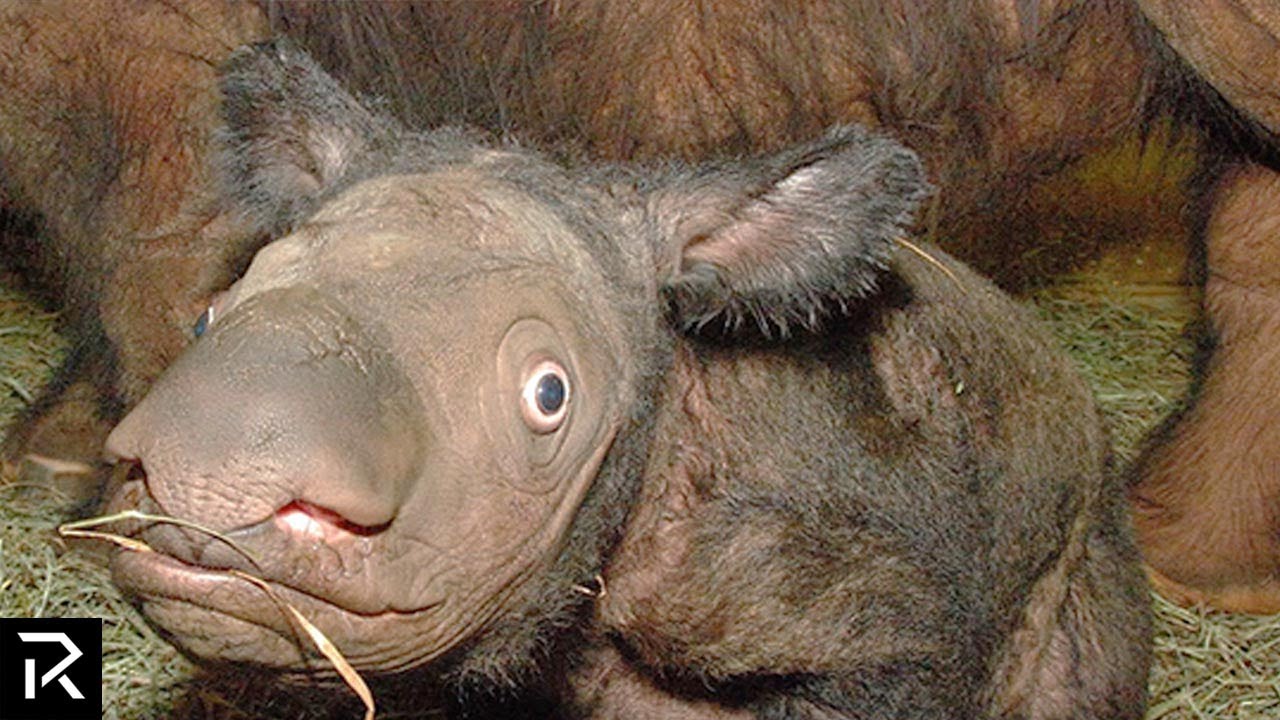
The platypus is the video’s sharpest example of venom showing up ahead of schedule. Adult male platypuses are already known for the venomous spur on each hind leg, but the video’s point is that hatchlings carry the same hardware. A hit from that spur isn’t a minor sting — it’s described as capable of delivering a painful, potentially lethal injection, which is a striking claim for an animal most people picture as a harmless, duck-billed oddity.
Even newborn platypus hatchlings have venomous spurs that can deliver a painful and potentially lethal injection.
Jaws And Claws Develop Fast
Tasmanian devil joeys are the video’s clearest case of speed-running toward danger. They’re born tiny and defenseless, but they grow into animals famous for tearing apart prey with jaw pressure disproportionate to their size, and that transition happens fast because devil litters face brutal mortality rates in the wild. The same logic applies to the crocodilians and monitor lizards the video highlights: hatchlings emerge with razor-sharp juvenile teeth and predatory bite reflexes already wired in, because there’s no gentle learning curve in that environment — you hunt or you get hunted almost immediately. Readers who enjoyed the harsh early-life realities covered in This Is Why the Childhood of Rabbits Is so Terrible will recognize the pattern: survival in the wild rarely gives young animals a grace period.
The Real Danger Is Mom
4 Ever Green also leans on the classic “dangerous baby animal” trope that has nothing to do with the baby itself — infant hippos, bear cubs and big cat cubs become genuinely lethal to bystanders simply because their mothers turn ferocious the moment a cub is nearby. It’s not the cub’s claws or teeth doing the damage; it’s a protective adult reading any approach as a threat. That dynamic mirrors what’s covered in The Reason Why Kangaroo Abandons Its Baby to Predators, where maternal instinct and survival math collide in ways that don’t fit the usual “cute baby animal” script.
4 Ever Green didn’t attach hard viewership numbers to this particular countdown, and there’s no press coverage breaking down the episode beyond the channel’s own upload — it’s built purely as a digital listicle, one entry at a time, letting the frog, the platypus spur, and the devil joey do the talking. That’s the format: no narrator claiming a grand thesis, just ten-odd animals stacked back to back until the runtime’s up.








How a Master Sushi Chef Creates the Perfect Japanese Omelette: Tamago — Omakase
Woodturning – A Coffee Mug
I Attempted the Air Force Special Warfare PAST Test (without practice)
How Strong Was Bruce Lee?
The Vigilante Group Of New Yorkers Who Hunt Rats At Night