

 InfoSearched
A phone got a man thrown out of his own church — and it’s just the beginning of the story.
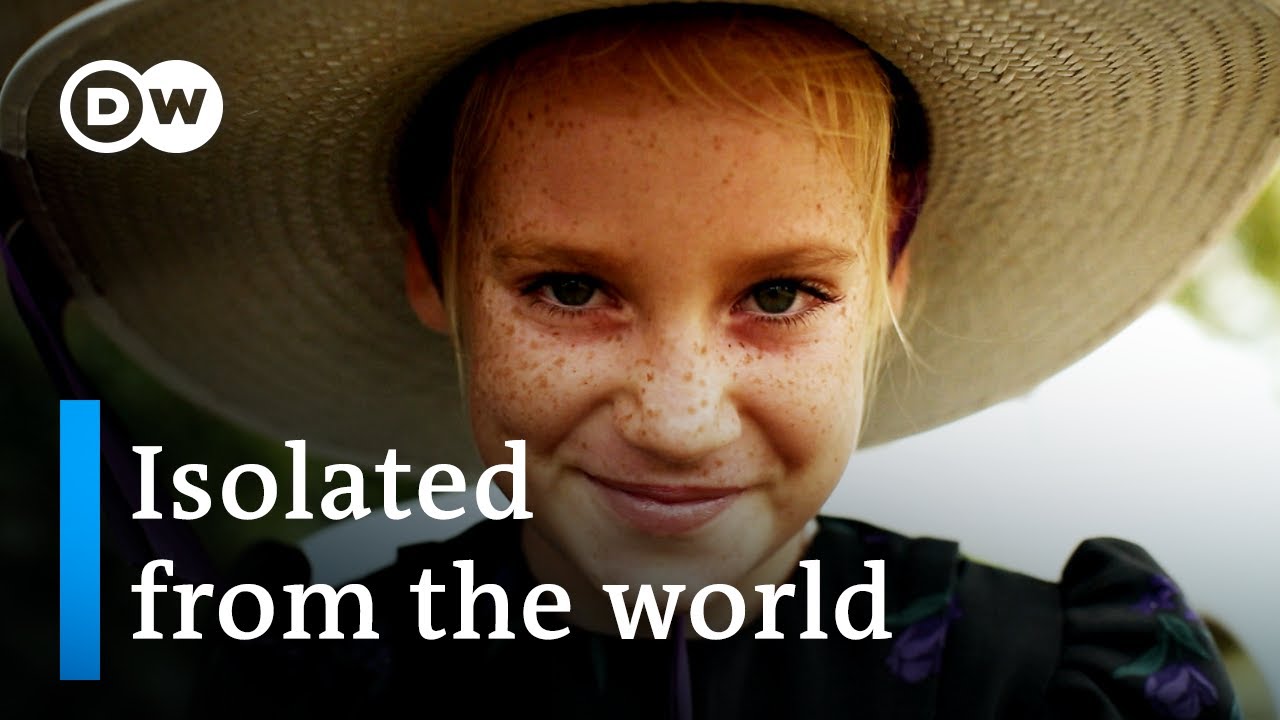
In the flatlands of northern Belize, roughly 3,000 Old Colony Mennonites live without electricity, television or cars, still speaking a 400-year-old German dialect and moving by horse and buggy. A documentary crew — the film has circulated internationally under titles including “Meet the Mennonites” and “Living Plain,” originally produced for Deutsche Welle — got rare access to that world, and what they found wasn’t a museum piece. It was a community quietly splitting over how much of the modern world it can let in before it stops being itself.
- Little Belize, in the Corozal District, is home to roughly 3,000 Old Colony Mennonites spread across about 100 square kilometers, living without grid electricity, television or automobiles.
- Wilhelm, the settlement’s self-taught former doctor, was excommunicated and cast out of the community for owning a mobile phone.
- A conservative faction led by a community member named Abram chose to leave Belize entirely, relocating deep into the Peruvian Amazon jungle to found a new, more isolated colony.
Life in Little Belize
Little Belize sits inland from the coast in Corozal District, a farming settlement built around Old Colony Mennonite discipline: no grid power, no television, no cars. Families get around by horse-drawn carriage, and the working language on the street and at the dinner table is still Plautdietsch, the Low German dialect Mennonites carried out of Prussia and Russia generations ago and preserved almost unchanged in the Americas. The documentary crew was granted rare access to film inside the colony, something that hadn’t happened on this scale before.
The film introduces Abram, a blacksmith supporting 20 children, whose forge work keeps the community’s horse-drawn transport running without a drop of diesel or a single power line. Margareth, filmed shopping at a local fabric store, represents the more ordinary rhythm of colony life — dressmaking, provisioning, the domestic economy that keeps roughly 3,000 people fed and clothed on a settlement smaller than 100 square kilometers.
The Phone That Got a Doctor Excommunicated
The documentary’s central tension runs through Wilhelm, the colony’s self-taught doctor, who treated neighbors without formal medical training for years before church leadership excommunicated him — cast out of the community entirely — for owning a mobile phone. In an Old Colony discipline built on separation from the outside world, a smartphone isn’t a convenience; it’s a door left open.
Wilhelm treated the colony as its only doctor for years — then got thrown out of it for carrying a phone in his pocket.
Franz, a local mechanic, is shown testing the same boundary more cautiously, acquiring a smartphone of his own even as he watches what happened to Wilhelm. His willingness to push the line, even quietly, is exactly the kind of drift that leaders in Little Belize say they’re trying to stop before it spreads.
Splitting Over Purity
That fear of contamination is what drove the film’s other major storyline: a conservative faction, led by a community member also named Abram, concluded that Little Belize itself could no longer be trusted to hold the line. Rather than negotiate or compromise on phones, electricity or outside contact, this group chose migration — uprooting families to found an entirely new, harder-to-reach colony deep in the Peruvian Amazon jungle, where they intend to rebuild Old Colony life from scratch, further from paved roads, tourists and cell coverage than Belize ever was.
It’s a decision with real precedent. Old Colony Mennonites have relocated en masse before — from Russia to Canada, from Canada to Mexico, from Mexico to Belize — each time in search of land isolated enough to keep the outside world at arm’s length. The Amazon move is the same instinct playing out again, just with a jungle instead of a border crossing.
Isolation as Doctrine
What makes the documentary work is that it never treats the colony’s isolation as backwardness for its own sake — it’s a deliberate strategy, enforced through discipline as serious as excommunication, aimed at protecting a specific religious and cultural inheritance. Readers drawn to how other isolated, self-sufficient communities operate off the modern grid may recognize the same calculus at work in radically simple, low-tech living arrangements elsewhere, even if the stakes in Little Belize are spiritual rather than ecological. The film sits comfortably alongside other rare-access looks at closed-off ways of life in the site’s documentaries archive.
Little Belize keeps running the way it always has — horses on the roads, Plautdietsch in the kitchens, no lines to the power grid. But with Wilhelm gone, Franz still holding a phone he probably shouldn’t have, and an entire breakaway congregation now clearing ground in the Peruvian Amazon, the colony that let cameras in for the first time is also, by its own members’ account, the one that’s already begun coming apart.


19 Savvy Hacks to Make You Extra Resourceful!
How to make healthy eating unbelievably easy | Luke Durward | TEDxYorkU
How To: Removing a Load Bearing Wall! (EASY STEP-BY-STEP)
Millions of Mice Are Terrorizing Australia
Yurt Life and Permaculture In High Sierra