

 InfoSearched
A striking cable that leaves welts but can’t block a punch — that’s the trade-off Icy Mike found testing the Stinger Tactical Whip.
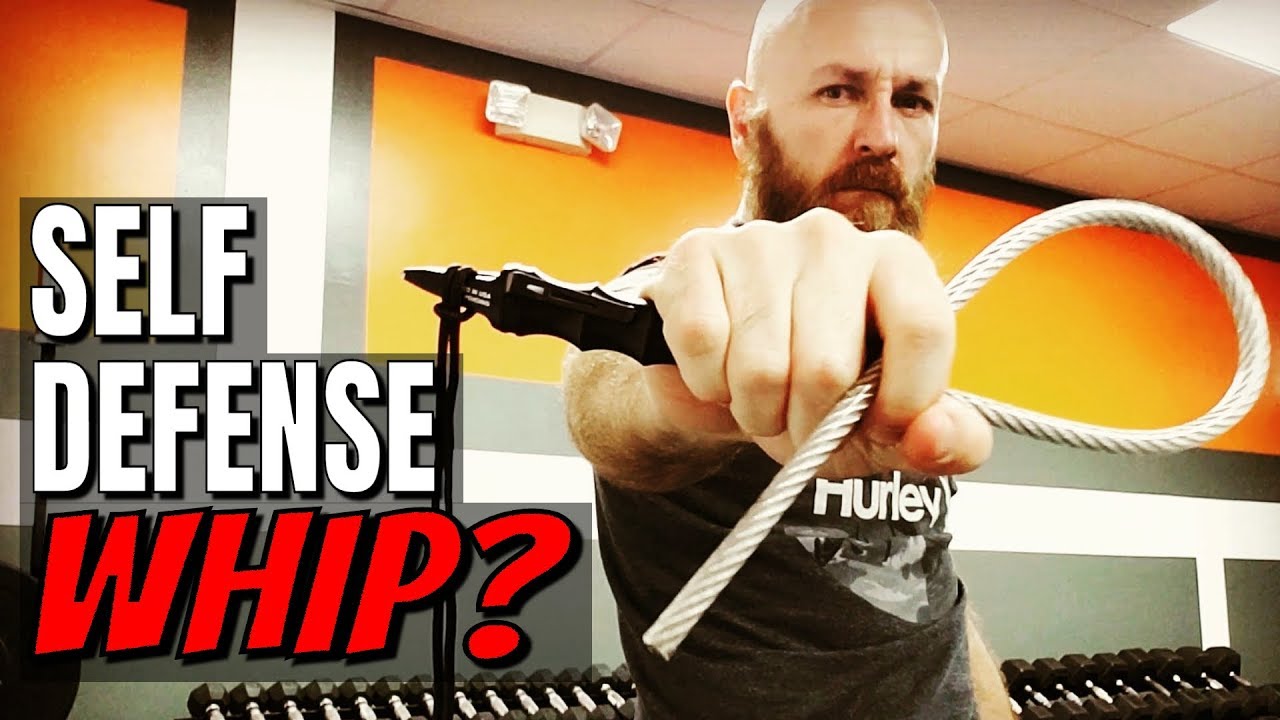
Icy Mike, the martial artist and self-defense instructor behind the combat-training channel hard2hurt, put the Stinger Tactical Whip through a hands-on review built around one question: can a flexible whip actually replace a rigid expandable baton for personal protection? The tool, made by Stinger Tools, packs a flexible steel striking cable, a hardened-steel car window breaker, and a built-in seatbelt cutter into one hybrid device. Mike’s verdict lands somewhere between admiration and a hard pass, depending on what you’re actually buying it for.
- The Stinger Tactical Whip combines a flexible steel striking cable, a hardened-steel window breaker, and a built-in seatbelt cutter in a single tool from Stinger Tools.
- Mike confirms the whip inflicts real pain compliance and welting on impact, but says it lacks the bone-breaking, mechanical-stopping power of a rigid baton.
- He concludes he “cannot advocate carrying a whip for personal protection,” while praising the window punch and seatbelt cutter as genuinely useful automotive emergency gear.
Whip Performance Upon Impact
There’s no debate about the tagline. Mike’s testing backs up “Spoiler: It Hurts” — the flexible steel cable snaps down on a target with enough force to raise immediate welts and produce a sharp, stinging pain response. As a pure pain-compliance tool, the whip does exactly what it’s designed to do, and Mike doesn’t pretend otherwise.
The problem, as he lays it out, is that pain compliance and stopping power are two very different things. A strike that hurts badly enough to make someone flinch isn’t the same as a strike that breaks a limb, drops a wrist, or ends an attacker’s ability to keep coming forward — which is the standard he’s holding the whip to.
Limitations Compared to a Baton
Mike’s core critique centers on structural defense, not raw pain. A rigid expandable baton gives the user something a whip physically cannot: a hard surface to block an incoming strike, parry a weapon, or brace against a charging attacker. A flexible cable has none of that — it can lash out, but it can’t hold a line against forward pressure.
That gap is why he stops short of recommending the Stinger whip as a primary self-defense tool, even after acknowledging how much it hurts on contact.
I can’t advocate carrying a whip for personal protection.
The Case for the Built-In Escape Tools
Where Mike’s tone shifts is on the automotive side of the design. The hardened-steel window breaker and the integrated seatbelt cutter turn the whip into a car-crash emergency tool as much as a self-defense device, and that’s the part he genuinely likes. His logic is simple: drivers are already mounting phone holders and USB accessories on their dashboards and consoles, so there’s no real downside to those same accessories doubling as life-saving escape tools if a crash traps someone behind a jammed seatbelt or a shattered-but-intact window.
It’s a distinction that shapes how Mike frames the whole product — less a weapon review, more a gear-utility breakdown, the same lens he brings to testing everything from tactical pens to improvised strikes on his channel, alongside deeper dives into why you never mess with elite special forces and other hands-on tests like his attempt at the Air Force Special Warfare PAST test.
The Verdict on Multifunction Gear
Mike’s bottom line splits the difference cleanly: skip the whip if you’re shopping for a dedicated self-defense weapon, but don’t skip the window punch and seatbelt cutter bolted onto it. For him, the value isn’t in the striking cable’s pain compliance — it’s in getting genuine emergency-escape functionality for free on a car accessory you were going to buy anyway.









$120 Million Private Island With Private Airfield – Bahamas
Man Who Admits He’s Addicted To Heroin Shows What A Day In His Life Is Like
I Only Ate Food That I Grew Or Foraged For One Year
Dan Bilzerian’s NEW HOUSE
Pemmican – The Ultimate Survival Food