

 InfoSearched
A flu-like cough in November 2013 nearly killed him — and cost him both arms and both legs.
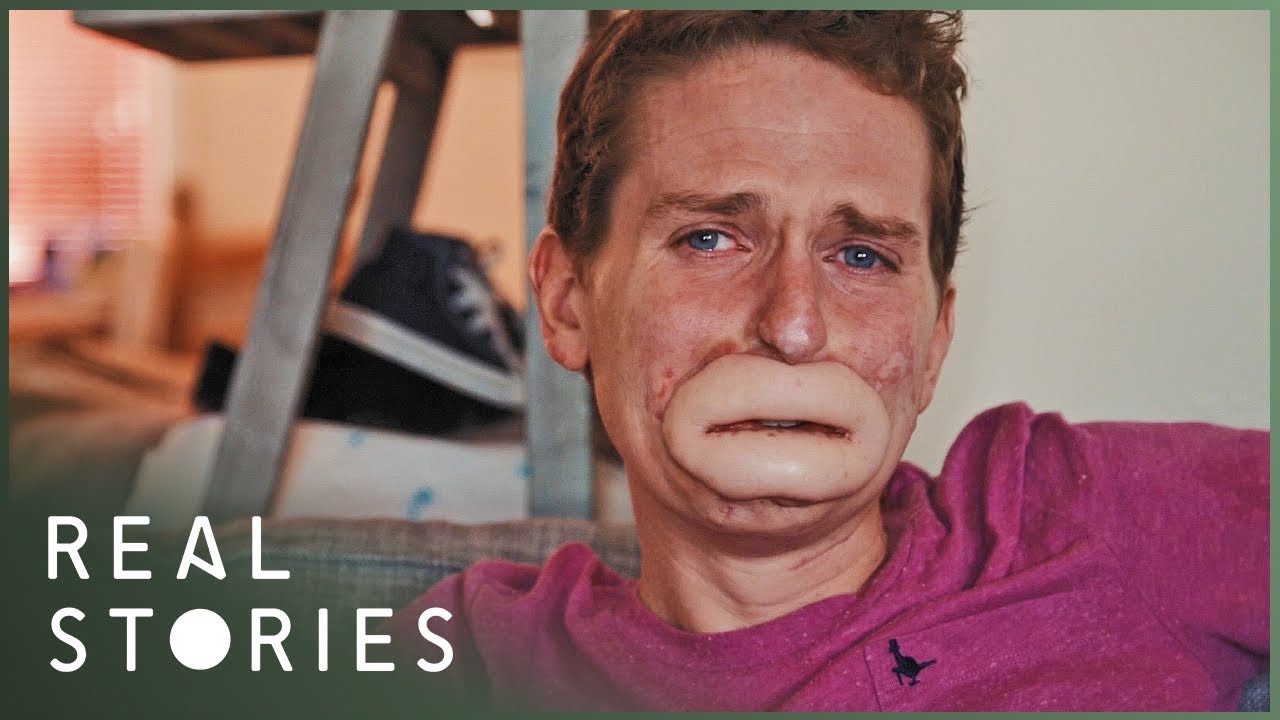
Alex Lewis was 33, running a pub in Hampshire and staying home to raise his young son when a routine-seeming infection turned into a fight for his life within days. What doctors initially treated as flu symptoms was actually Group A streptococcus, and it moved fast enough to put him on mechanical life support with single-digit survival odds. “The Extraordinary Case of Alex Lewis” tracks what happened after he lived — and what it cost him to get there.
- Doctors gave Lewis between a 1% and 3% chance of survival after Strep A toxic shock syndrome triggered multiple organ failure and severe septicaemia.
- The infection caused gangrene that led to the amputation of both legs above the knee, his left arm, and later his right arm, along with reconstructive surgery to his lips and facial tissue.
- Filmed over two years starting shortly after his initial amputations, the documentary was directed by Leonardo Machado, narrated by Olivia Colman, and first broadcast on Channel 4 on April 28, 2016.
A Cold That Wasn’t a Cold
Lewis initially wrote off his symptoms as a common cold, a reasonable mistake given how fast Strep A can present before it turns dangerous. Within days the infection had progressed to toxic shock syndrome and septicaemia, and his organs began shutting down. He was placed on mechanical life support while doctors put his odds of survival at between 1% and 3% — a number the film returns to as the baseline for everything that followed.
Survival, Then the Amputations
Lewis beat those odds, but the bacteria had already done damage that couldn’t be reversed. Gangrene forced surgeons to amputate both legs above the knee and his left arm, and doctors later removed his right arm as well. He also underwent extensive reconstructive surgery on his lips and facial tissue, which the documentary treats not as a footnote but as its own recovery process running alongside the physical rehabilitation.
Doctors gave him a 1% to 3% chance of survival — then he had to learn to live in a body with none of its original limbs.
Learning His Own House Again
The film’s real weight sits in the domestic scenes: Lewis relearning his own home, working with his partner Lucy Townsend, and trying to reconnect with their three-year-old son, Sam, who initially struggled to adjust to his father’s disfigurement. That relationship — a toddler learning not to flinch, a father learning to be present without the body his son remembered — carries more of the runtime than any hospital footage. Viewers looking for similar ground-level recovery storytelling can find more in InfoSearched’s documentaries coverage.
Prosthetics, the Trust, and Getting Airborne
Much of the film follows Lewis mastering prosthetic limbs well beyond what the NHS covers as standard, which is why he and Townsend set up the Alex Lewis Trust — a fund built specifically to pay for the specialized prosthetics his day-to-day mobility depended on. The documentary shows the payoff of that effort directly: Lewis going paragliding, and the couple getting engaged. For readers tracking recovery and adaptive-living stories more broadly, InfoSearched’s healthy lifestyle section covers similar ground.
The documentary first aired on Channel 4 on April 28, 2016, closing not on a hospital ward but on Lewis in the air over the English countryside and newly engaged to Lucy Townsend — the two images the film leaves you with once the credits roll.


ARIA: 80 Sunreef Power Catamaran [Walkthrough]
Jim Norton and Joe Rogan Debate Bob Lazar’s Story
Idaho modern oldtimer builds underground & solar $50 houses
The Darkest Black on Earth? Why Scientists & Artists Want the World’s Blackest Substances
Beautiful close encounter with manatees seeking refuge in Florida.