

 InfoSearched
A one-square-mile neighborhood in Mumbai turns out to be one of the most productive economies in India.
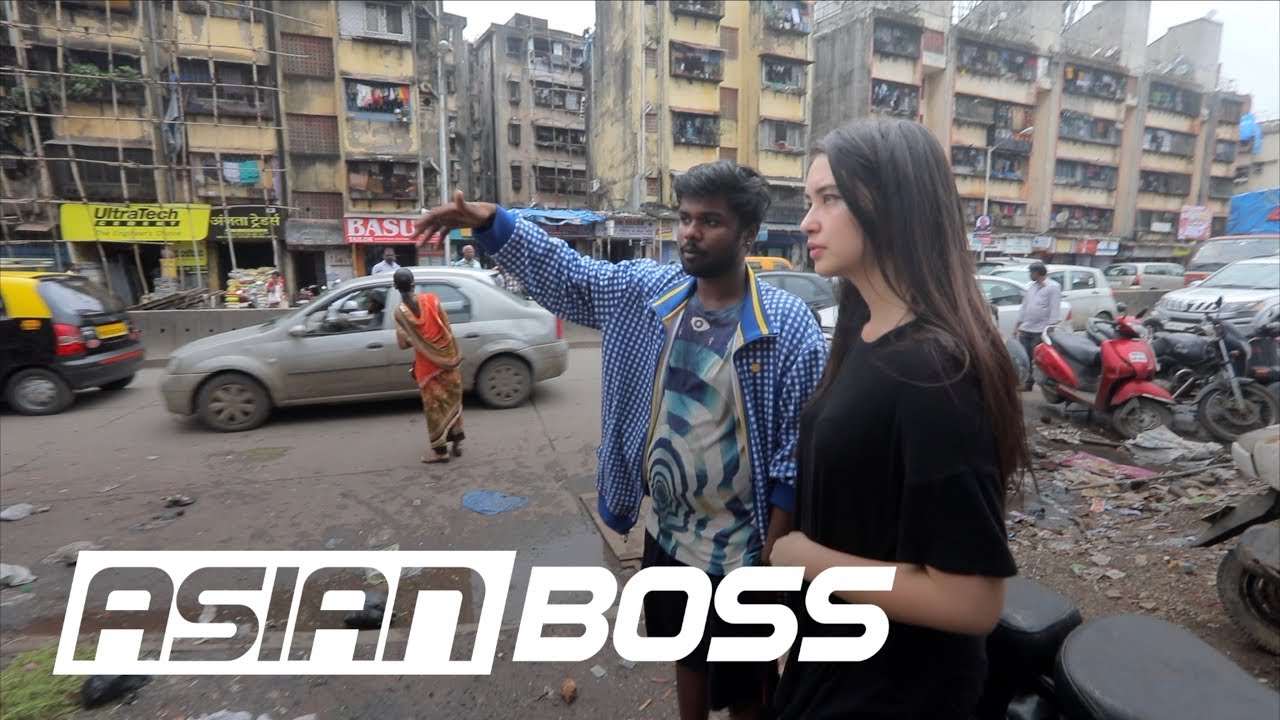
Asian Boss sent its crew into Dharavi, the Mumbai settlement that became the real-world backdrop for Slumdog Millionaire, for the eighth installment of its street-interview series “The Voiceless.” Spread across roughly 500 acres and home to an estimated population approaching one million, Dharavi is usually described from the outside as a poverty statistic. The crew instead walked its lanes talking to leatherworkers, potters, and shopkeepers about what it actually takes to get by — and get ahead — inside it.
- Dharavi packs an estimated population of up to one million people into roughly 500 acres, making it one of the most densely populated settlements in Asia.
- A leather workshop visited by the crew runs on a workforce of more than 200 people, mostly migrant laborers from other Indian states, producing bags, wallets, and belts.
- The episode is the eighth entry in Asian Boss’s “The Voiceless” series, built entirely around unscripted street interviews with residents rather than narration from outside experts.
Inside Dharavi’s Informal Economy
What the crew found wasn’t idle poverty but an assembly line running at street level. Dharavi’s informal economy covers leather tanning, pottery, textile production, and large-scale recycling operations, with estimates from residents and business owners pointing to daily output worth well beyond what outsiders assume for a settlement with no formal zoning or infrastructure plan. Workers described fourteen-hour days spent tanning hides, stitching garments, or sorting scrap plastic and metal for resale — work that keeps entire supply chains moving in and out of Mumbai.
The leather workshop the group toured is a case study in scale hiding inside cramped square footage: over 200 workers, many of them migrants from other states, turn out belts, bags, and wallets that eventually reach retail shelves far outside Dharavi. Pay is thin and the hours are long, but several workers told the crew the work is steadier than what they’d find back home — a trade-off that shows up again and again across the settlement’s other trades.
A Family Trade Passed Down in Clay
One of the more striking stops was a family-run pottery operation that has worked out of Dharavi for generations, shaping clay pots by hand using techniques passed down rather than mechanized. The family described setbacks tied to the COVID-19 disruption hitting India at the time of filming, yet kept production running rather than shut the kiln down — the kind of stubborn continuity that defines much of Dharavi’s economy.
Dharavi isn’t a place people are simply surviving — it’s a place where an entire economy runs on hand-built trades nobody outside the settlement ever sees.
That same resilience shows up in how residents talk about mobility. Several interviewees pushed back on the idea that Dharavi only traps people; instead, they described it as a launching point where a trade learned young — leatherwork, pottery, tailoring — can eventually fund a move to better housing. It’s a theme that echoes coverage of other dense, informal urban economies, including the settlements profiled in how people live inside Venezuela’s most dangerous city, where daily survival and entrepreneurship sit side by side in similarly cramped conditions.
Community Life and Sanitation Pressure
Beyond the workshops, the crew met a woman who has run a kindergarten inside Dharavi for more than 20 years, giving working parents a place to leave their children during the day. The interviews also turned to the settlement’s chronic sanitation strain — shared toilets, limited clean water access, and hygiene conditions that make infectious disease an ongoing risk for residents packed this tightly together.
Efforts to chip away at those conditions are already underway. The Dharavi Biennale Foundation, made up of artists, architects, and designers, has been working directly with residents to build art installations and public spaces meant to make daily life inside the settlement more livable, rather than waiting on outside redevelopment plans that have stalled for years. It’s the kind of grassroots, informal urban problem-solving that shows up across the dense-city documentary format, similar in spirit to the ground-level reporting behind Kingston’s Tivoli and Trench Town neighborhoods.
None of the interviewees pretended Dharavi is easy to live in. But the workshop floors, the kiln fires, and the kindergarten the crew filmed all point to the same thing: an economy that keeps running, generation after generation, whether or not anyone outside Mumbai is paying attention to it.








30 Healthy Habit Hacks You Need To Know!
Batman Cosplay Breaks World Record
City Stealth Camping In The Snow With A Tarp
Louis Vuitton Spring-Summer 2020 Show: All-Access with Loïc Prigent
8 TRANSITIONAL AUTUMN OUTFIT IDEAS // What To Wear NOW | Fashion Mumblr