

 InfoSearched
Coleman built a tent that blocks 95% of daylight, and Snowys Outdoors put it through its paces on camera.
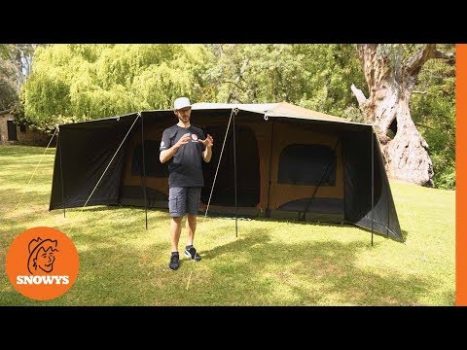
Back in October 2019, Snowys Outdoors sent presenter Ben out into the field to break down the Coleman Instant Up 10P Lighted Northstar Darkroom Tent from top to bottom. The pitch is straightforward: a three-room family tent that solves the classic campsite problems of getting baked awake at sunrise, sweating through a stuffy tent at midday, and wrestling with poles for twenty minutes before anyone can sit down.
Ben walks through the tent piece by piece — weight and materials, the side doors and awnings, the rear windows and ventilation, the front awning setup, the built-in lighting, and finally the internal room layout with airbeds loaded in to show real usable space. It’s a hands-on rundown rather than a marketing reel, which is exactly why it’s worth a look for anyone shopping the instant-tent category.
- Coleman’s DarkRoom fly coating blocks up to 95% of daylight and drops interior temperature by as much as 5°C.
- The instant-up frame gets the inner tent standing in roughly 2 to 3 minutes, with welded floors, inverted seams and circular ventilation ports built in.
- The front awning throws out about 1.5 meters of coverage — roughly 9 square meters of shaded floor space — using 4 to 6 poles, with 20 to 30 pegs for a standard pitch and up to 40 to 50 recommended for a full guy-rope-and-awning setup in wind.
The DarkRoom Advantage
The headline feature is the fly itself. Coleman’s DarkRoom treatment is a specialized coating that cuts daylight penetration by up to 95%, which matters most on the classic camping annoyance of waking up at dawn because the sun turns the tent into a lightbox. Ben notes the same coating also helps knock interior heat down by up to 5°C, which is the bigger win on a hot weekend when a normal tent turns into an oven by 10 a.m.
That combination — less light, less heat — is what separates this from a standard polyester dome. It’s the same reasoning behind gear like the setups covered in Best Bug Out Tent on the market?, where weatherproofing and livability under harsh conditions get just as much attention as square footage.
Instant-Up Frame and Three-Room Layout
Coleman’s instant-up system means the inner tent frame goes from bag to standing structure in about 2 to 3 minutes — no threading poles through sleeves, no guesswork. Ben covers the welded floors and inverted seams that keep water out in rough weather, along with the circle ventilation ports that manage airflow once the tent is sealed up for the night.
Inside, the cabin-style build splits into three separate rooms using zippered mesh doors and privacy dividers. There’s enough floor space to fit up to three queen airbeds, which is the real test for a “10-person” tent — plenty of tents claim a big capacity number but can’t actually fit sleeping gear for that many people once you account for walking space.
Three rooms, three queen airbeds, and a fly that blocks 95% of the sun — that’s the whole pitch in one sentence.
Lighting, Ventilation and Storage
Ben spends a chunk of the walkthrough on the integrated lighting system — flexible silicone LED strips built into the tent that run off either D-cell battery packs or a USB power bank, controlled by an internal switch. It’s a small detail that matters a lot once the DarkRoom fly does its job and the inside goes properly black at night.
Beyond lighting, the tent includes mesh side-screen D-doors, a rear window for cross-ventilation, internal hanging points, and storage pockets scattered through the rooms — the kind of organizational features that separate a family basecamp tent from a bare-bones weekend shelter.
The Front Awning System
The front awning is where Ben spends the most time explaining pitching options. Fully extended, it adds about 1.5 meters of outward coverage, working out to roughly 9 square meters of shaded floor area outside the sleeping quarters. Rollaway darkroom side panels can be deployed for full shade and privacy or tied back when campers want the space open.
On hardware, Snowys addresses the logistics directly: the package comes with 4 to 6 awning poles depending on how the awning is configured, and Coleman recommends 20 to 30 pegs for a standard pitch. Anyone planning a full extended guy-rope and awning setup in windy conditions should budget for 40 to 50 pegs to keep everything anchored — a detail that matters as much as anything in the spec sheet if the site turns exposed. That kind of practical setup breakdown is the same territory covered in Amazing Bushcraft Tent made from Plastic Wrap!, where getting the pitch right matters more than the gear itself.






Swimming Rabbits Caught on Camera
Ross Meets The Taliban For The First Time
Gorgeous Three Bedroom Tiny Home
The Surprising Truth About Drugs At Psychedelic Festivals | Shambhala
Monkey Swarm Takes Over City