

 InfoSearched
Inside the labs where 3D printers are now growing human hearts.
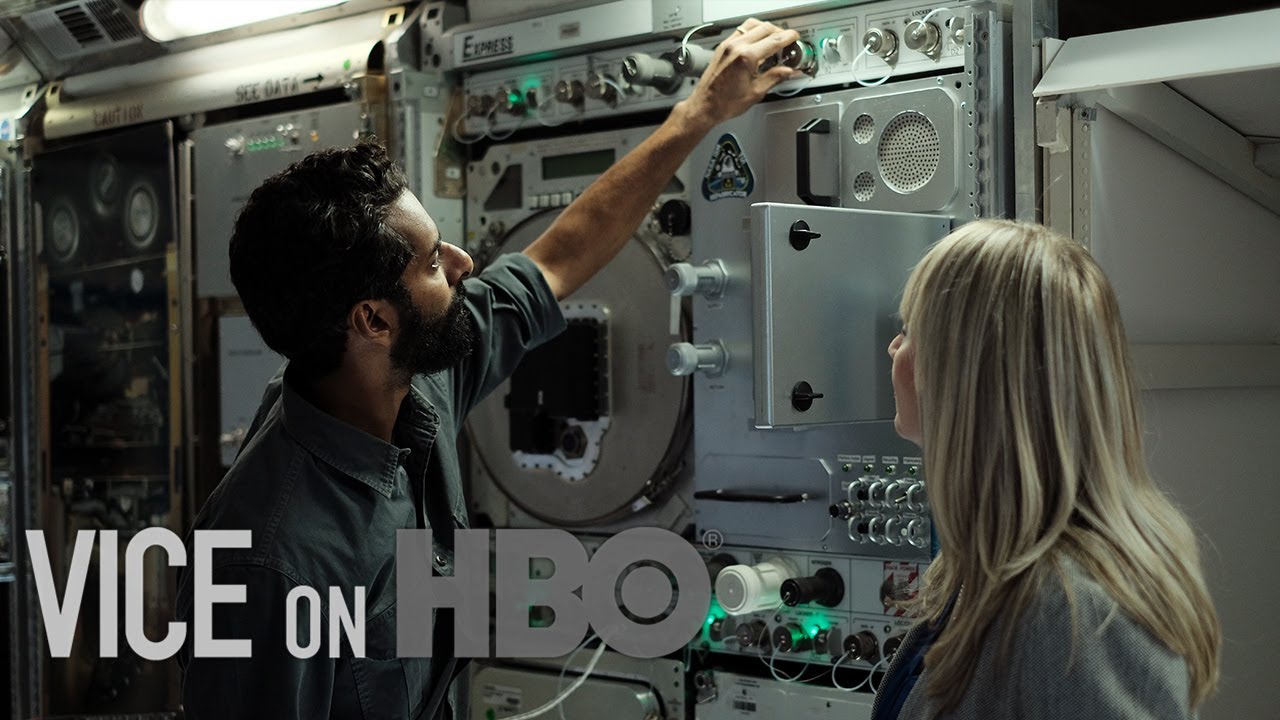
VICE correspondent Krishna Andavolu spent twelve and a half minutes tracing additive manufacturing from its origins as an industrial curiosity to its current status as, in the words of the people building it, the next industrial revolution. His February 11, 2020 mini-documentary, “3D Printing Is Changing the World,” moves from desktop printers cheap enough for a garage startup to bioprinting labs attempting to fabricate vascular structures and human hearts layer by layer.
- Andavolu documents the shift from expensive industrial 3D printers to smaller, cheaper, on-demand desktop systems now accessible to entrepreneurs and small manufacturers.
- Scientists and engineers featured in the segment are printing live human bio-tissues — skin, vascular structures, and organs such as human hearts — using layer-by-layer cellular “bio-ink” deposition.
- The report shows metal and multi-material printing already deployed for aerospace parts, spare parts, and automobile manufacturing, cutting into traditional supply-chain timelines.
From Prototype Novelty to Production Tool
For most of its history, 3D printing meant a hobbyist extruding plastic filament to make a prototype or a trinket. Andavolu’s reporting tracks how that changed as machines got smaller, cheaper, and precise enough to print functional, load-bearing parts rather than just mockups. That shift is what industry figures in the segment point to when they call additive manufacturing the start of a new industrial era — not a niche tool sitting beside traditional manufacturing, but a method capable of replacing entire steps in it.
The practical upside shows up fastest in supply chains. Instead of warehousing spare parts or waiting on overseas shipments, manufacturers can print a part on demand, on site, when it’s needed. The documentary frames this distributed, print-it-here-when-you-need-it model as a direct challenge to the built-in bottlenecks of global fabrication and trade — the same bottlenecks that have historically forced factories to overproduce and stockpile.
Printing Bio-Tissue and the Organ Shortage
The most striking material in the segment comes from the scientists and entrepreneurs working on bioprinting — machines that deposit living cells in precise layers to build tissue instead of plastic. Andavolu meets researchers attempting to print skin, vascular networks, and, further down the road, full organs like the human heart. The pitch is straightforward: donor organs are scarce, and if a functioning heart or kidney could be printed from a patient’s own cells, transplant waiting lists and rejection risk both shrink.
The goal isn’t just printing a shape that looks like a heart — it’s printing tissue that beats, pumps, and survives inside a body.
That’s still frontier science rather than a hospital-ready product, but the segment makes clear the research has moved well past theory. Bio-ink deposition techniques already produce functional skin and vascular tissue in labs, which is the necessary step before anyone attempts a full organ. For readers following other frontier-manufacturing stories, the leap mirrors what’s happening in aviation hardware fabrication covered in pieces like the Jetson One official launch, where additive techniques and lightweight materials are reshaping what a small manufacturer can build in-house.
Metal, Aerospace, and the Automotive Floor
Away from the biology, Andavolu tours facilities running metal and multi-material printers for aerospace components, replacement parts, and automotive manufacturing. These aren’t hobbyist machines — they’re industrial systems capable of producing parts strong enough for flight hardware and vehicle assembly lines. The appeal for manufacturers is speed and flexibility: a part can be redesigned digitally and printed the same day, without retooling a factory floor or waiting on a supplier overseas.
That capability is exactly what’s chipping away at the old economics of mass production, where cost efficiency depended on huge production runs of identical parts. Additive manufacturing flips that logic — a single custom part costs roughly the same to print as a batch of a thousand, which is why the segment treats spare-parts printing and automotive tooling as such a direct hit to traditional supply chains.
Space Exploration and Material Science
The documentary also follows 3D printing into space-exploration applications, where weight and material performance matter more than almost anywhere else in engineering. Printing components in exotic alloys or composite materials lets engineers produce shapes and internal lattice structures that traditional machining can’t replicate — parts that are lighter without losing strength. That combination of material science and geometry is presented as one of the clearest signs that additive manufacturing has moved from a manufacturing shortcut to a design tool in its own right, opening up part geometries that engineers simply couldn’t machine before.
Andavolu doesn’t put a date on when a printed heart makes it into a human body, and neither does anyone he interviews — the honest answer in the segment is that bioprinting is still years from clinical use, while metal and industrial printing are already running on factory floors today. That gap between what’s shipping now and what’s still in the lab is the real story here, and it’s the one worth watching as the hardware keeps getting cheaper.








How Strong Was Bruce Lee?
This Turkish Ice Cream Doesn’t Melt
Fire in ZERO-G!!
Money-Laundering FBI Expert Rates 8 Money-Laundering Scams In Movies and TV | How Real Is It?
Bushcraft trip – natural shelter, drying meat, no sleeping bag, all night fire, homemade axe etc.