

 InfoSearched
A retired SEAL commander sits down to grade Hollywood’s most famous gunfights, and the report card isn’t flattering.
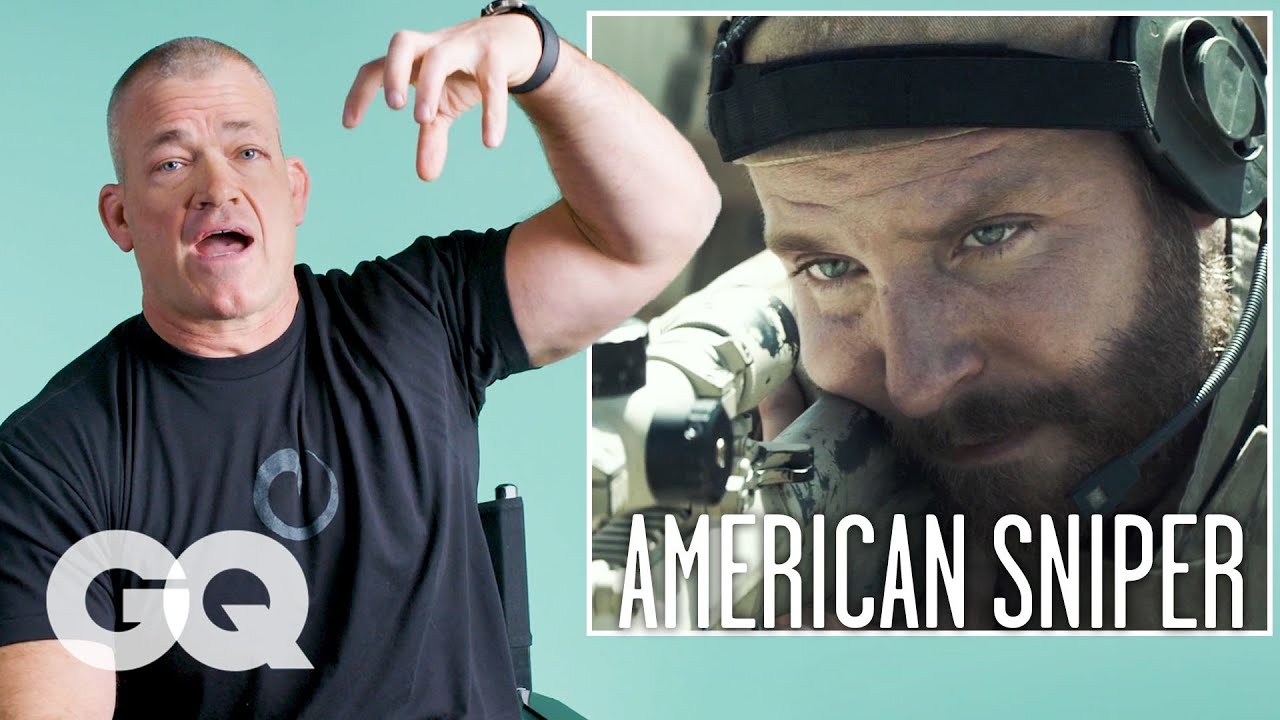
GQ dropped a new entry in its YouTube breakdown series on January 17, 2020, handing the remote to retired Navy SEAL officer Jocko Willink and six of the most recognizable combat films of the past three decades. Willink, who spent more than two decades in the Navy and commanded Task Unit Bruiser in Ramadi, doesn’t watch these scenes like a critic. He watches them like a man checking his old platoon’s work.
- Willink grades military and combat accuracy across six films: Navy SEALs (1990), Act of Valor (2012), American Sniper (2014), Lone Survivor (2013), Captain Phillips (2013), and Zero Dark Thirty (2012).
- Breaking down the HALO jump in Navy SEALs, Willink walks through pilot chute deployment and reserve-parachute protocol, and reveals he once lived through a real parachute malfunction himself.
- In American Sniper, Willink notes his direct personal tie to the film: as former commander of Task Unit Bruiser, SEAL Team Three, he was Chris Kyle’s commanding officer in Ramadi.
Six Films, One Standard
Willink doesn’t rank the movies against each other so much as against the standard he learned in training and combat. He evaluates weapon handling, radio discipline, insertion methods, and hostage-rescue decision-making against what actually happens in a SEAL platoon, not what plays well on a theater screen. Some scenes hold up under that scrutiny. Others don’t survive the first thirty seconds.
The Jump That Ends in Silence
The oldest film in the lineup, 1990’s Navy SEALs, gives Willink his most technical sequence: a High Altitude Low Opening parachute insertion. He details the mechanics of pilot chute deployment and what happens when the main chute fails, laying out the grim reality of the backup plan in blunt terms.
“If the reserve parachute doesn’t work the procedure is… basically you’re gonna hand salute the world and you’re gonna hit the dirt, ’cause you’re gonna die.”
It isn’t theoretical for him. Willink recounts experiencing a real parachute malfunction of his own during his career, which is part of what makes his read of the scene land differently than a typical film critique.
Task Unit Bruiser and American Sniper
No film in the breakdown carries more personal weight than American Sniper. Willink commanded Task Unit Bruiser, SEAL Team Three, in Ramadi, Iraq, the same unit and battlespace where real-life sniper Chris Kyle served under him. That vantage point sharpens his critique of small details — he flags an actor pulling his firing hand off the trigger to tap his helmet and signal “breacher up,” a habit no operator would actually risk mid-clear. He also walks through why urban combat in Iraqi cities is far messier and more compressed than the film’s geography suggests.
Captain Phillips and the Kill Decision
The lifeboat standoff in Captain Phillips gets a different kind of scrutiny. Willink questions the film’s negotiation dynamics, explaining that real SEAL hostage-rescue operations lean on decentralized command authority and lethal precision rather than prolonged back-and-forth with hostile hostage-takers. It’s a structural critique as much as a technical one — who’s actually allowed to make the call, and how fast.
Helicopters, Dogs, and Zero Dark Thirty
Rounding out the breakdown, Willink turns to Zero Dark Thirty and details the realities of operational helicopter transport and the use of combat service dogs on raids — the kind of logistical detail moviegoers rarely think about but that shapes how an actual op unfolds on the ground. He closes his walkthrough by pointing past the choreography entirely, reminding viewers that behind every one of these dramatized scenes sits a real casualty count and real families who carried the cost of the wars these films are drawn from.
The video is one entry in GQ’s ongoing YouTube series that hands the mic to actual practitioners — the same format that’s had bomb techs, FBI agents, and money-laundering experts grade Hollywood’s version of their jobs. Willink’s episode, released January 17, 2020, is the special-operations installment, and it’s his parachute story, not the movie clips, that people keep bringing up.








Brides by Force. Marriage by kidnapping pushes Kyrgyz women to suicide
Ross Meets The Taliban For The First Time
Navy SEAL Jocko Willink Breaks Down Combat Scenes From Movies
Infiltrating Scientology Ep 1: Sunday Church Service
DMT Always Shows Shane Mauss the Same Purple Woman on His Trips – Tales from the Trip